Go Back
+ servings

Sourdough Dinner Rolls

No ratings yet
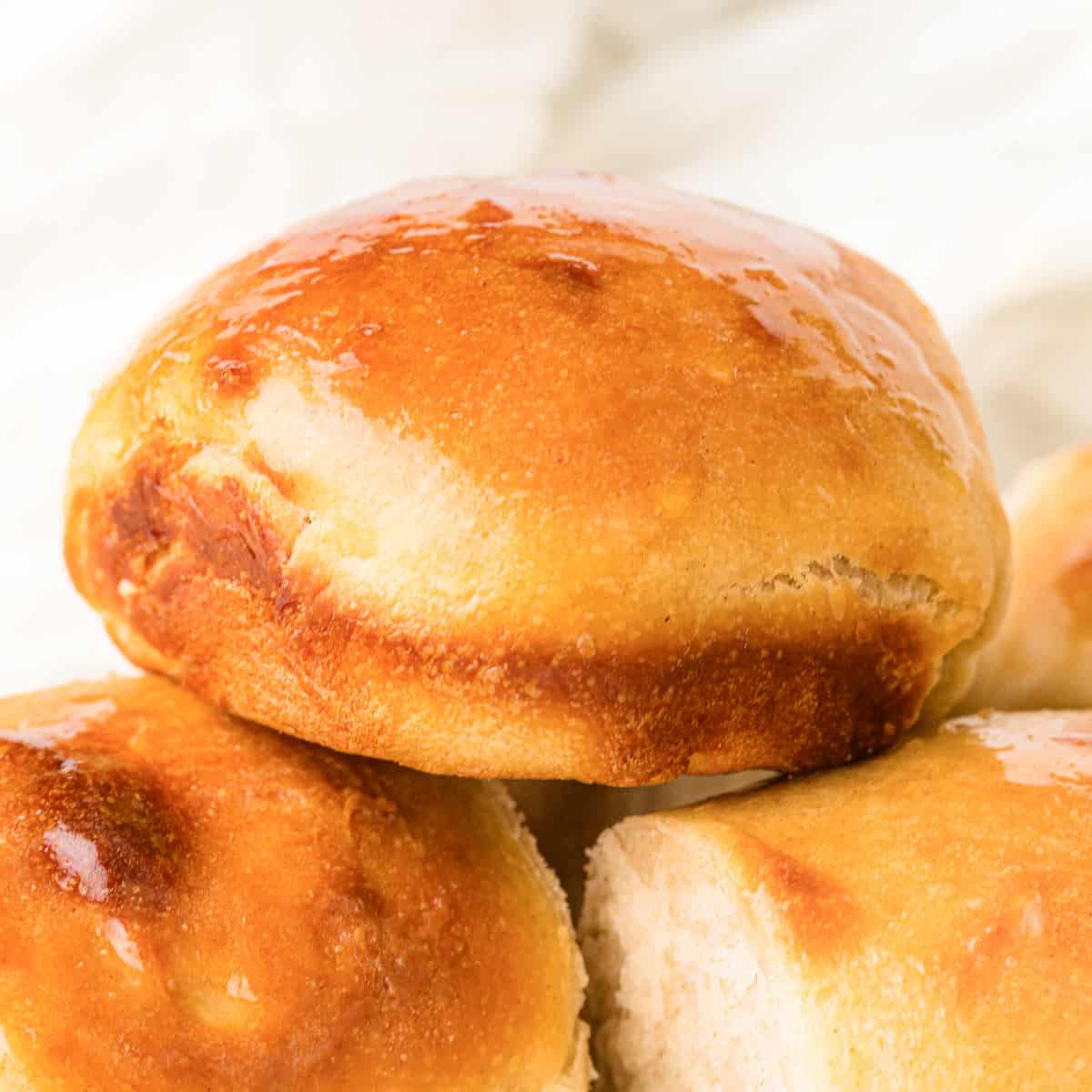
These soft sourdough dinner rolls are fluffy, buttery, and beginner-friendly. Perfect for holiday dinners, cozy soups, meal prep, and family weeknight meals.
Prep Time 25 minutes
Cook Time 25 minutes
Rise Time 9 hours
Total Time 9 hours 50 minutes
Servings: 12 rolls
Course: Breakfast, Side Dish
Calories: 121

Ingredients
  

  • 1 cup active sourdough starter (240 g), bubbly and doubled
  • 1 cup warm milk (240 ml)
  • 3 tablespoons unsalted butter melted (42 g)
  • 2 tablespoons honey or sugar (30 g)
  • 3½-4 cups bread flour (440–500 g)
  • teaspoons fine sea salt (9 g)
For Brushing
  • 2 tablespoons melted butter (28 g)
  • Optional: flaky salt or chopped parsley

Method
 

  1. Mix wet ingredients: In a large bowl, combine the active sourdough starter, warm milk, melted butter, and honey. Stir until smooth.
    1 cup active sourdough starter, 3 tablespoons unsalted butter, 2 tablespoons honey or sugar, 1 cup warm milk
  2. Add dry ingredients: Add 3½ cups flour and the salt. Mix until a soft dough forms. If the dough feels sticky, gradually add more flour a tablespoon at a time until manageable.
    3½-4 cups bread flour, 1½ teaspoons fine sea salt
  3. Knead the dough: Turn the dough onto a lightly floured surface and knead for about 8–10 minutes until smooth and slightly tacky but not dry.
  4. First rise: Place the dough in a lightly buttered bowl and cover.
  5. Let dough rise: Let rise at room temperature for 4–6 hours, until puffy and about 50–75% increased in size.
  6. Divide the dough: Turn the dough onto a lightly floured surface and divide into 12 equal pieces or 15 smaller rolls.
  7. Shape the rolls: Shape each piece into a smooth ball by tucking the edges underneath and rolling gently on the counter.
  8. Arrange in baking dish: Place the rolls into a buttered 9×13 baking dish, spaced slightly apart.
  9. Second rise: Cover loosely and let rise for 2–3 hours until the rolls are touching and visibly puffy.
  10. Preheat oven: Preheat the oven to 375°F (190°C).
  11. Bake the rolls: Bake for 20–25 minutes until the tops are golden brown.
  12. Brush with butter: Immediately brush the rolls with melted butter for shine and softness.
    2 tablespoons melted butter
  13. Add toppings: Sprinkle with flaky salt or parsley if desired.
    Optional: flaky salt or chopped parsley
  14. Cool slightly and serve: Allow the rolls to cool slightly before serving.
  15. Enjoyed this recipe? Leave a quick 5-star rating and review to let me know!
Nutrition

Calories: 121kcalCarbohydrates: 15gProtein: 3gFat: 6gSaturated Fat: 3gPolyunsaturated Fat: 0.3gMonounsaturated Fat: 1gTrans Fat: 0.2gCholesterol: 15mgSodium: 314mgPotassium: 44mgFiber: 0.4gSugar: 4gVitamin A: 179IUVitamin C: 0.02mgCalcium: 28mgIron: 0.1mg

Notes

  • Don’t rush the rise time. Sourdough rolls and loaves need patience. If the dough still looks tight or dense, give it more time. This is probably the biggest beginner mistake.
  • Sticky dough is normal. I used to keep adding flour because I thought I was doing something wrong and ended up with super heavy bread. Slightly sticky dough usually creates softer, airier texture.
  • Let the bread cool before slicing. I know this is torture because the smell is unreal, but cutting too early can make the inside gummy instead of soft and chewy.

Storing Leftovers

  • Store sourdough bread loosely wrapped in a kitchen towel or paper bag at room temperature for 2–3 days. This helps the crust stay crisp without drying the inside out.
  • Avoid refrigerating sourdough if possible because it tends to become stale faster.
  • For longer storage, slice the loaf first and freeze in a freezer-safe bag for up to 2 months. I love doing this for quick toast in the mornings.
  • To reheat, toast slices straight from frozen or warm the loaf in the oven for a few minutes until crisp outside and soft inside again.
  • Honestly, sourdough toasted the next day with butter might be even better than fresh.

FAQs

  • Why is my sourdough dough so sticky? Totally normal. Sourdough dough is softer than regular bread dough, especially high-hydration recipes. Wet hands help a lot more than adding tons of extra flour.
  • Why didn’t my bread rise much? Usually the starter wasn’t active enough or the dough needed more fermentation time. Cold kitchens can slow sourdough down A LOT.
  • Does sourdough always taste super sour? No! Homemade sourdough can actually taste very mild. Longer fermentation creates stronger tangy flavor, while shorter rise times stay more subtle.
  • Can beginners really make sourdough? Absolutely. It looks intimidating at first, but once you make one loaf, it suddenly feels way less scary.
  • Why does everyone use a Dutch oven? Because it traps steam and helps create that crispy bakery-style crust. Honestly, it’s one of the biggest game changers for homemade sourdough.
  • Can I freeze sourdough bread? Yes, and it freezes beautifully. I usually slice it first so I can grab individual pieces for toast later.


Tried this recipe?

Let us know how it was!