


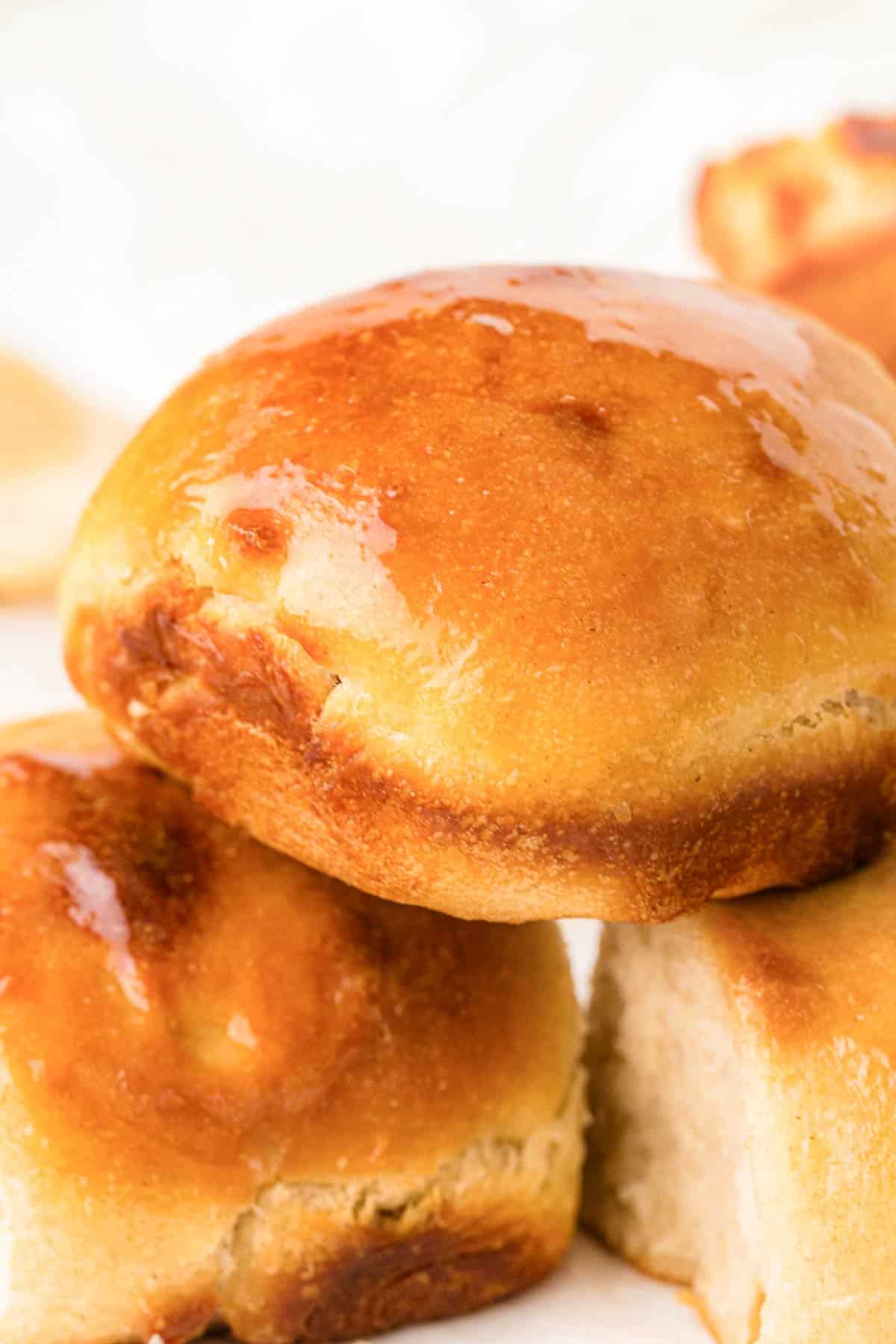
My sourdough starter sat in the fridge for months before I found a use for it that felt worth the effort, and these dinner rolls are it. They come out soft, pillowy, and with just enough tang to make them more interesting than a standard roll, without any of the fuss of a full sourdough loaf. Now they're the first thing I make when I know I'll actually use my starter.
Want to Save This Recipe?
Enter your email and we’ll send the recipe directly to you!
By submitting this form, you consent to receive emails from The Yummy Bowl.
Sourdough Dinner Rolls
If you've been wanting a beginner-friendly sourdough bread recipe, this is one I make again and again. The rolls stay soft for days, have a light sourdough flavor without being too tangy, and freeze beautifully for later.

Unlike some sourdough recipes that feel overly complicated or intimidating, these rolls are actually very forgiving for beginners. The dough is soft, easy to work with, and the long rise time creates that cozy bakery-style flavor that makes homemade bread taste SO much better than store-bought rolls.
These are also the kind of rolls people accidentally eat three of before dinner even starts.
Julia's Why-You'll-Love-It List
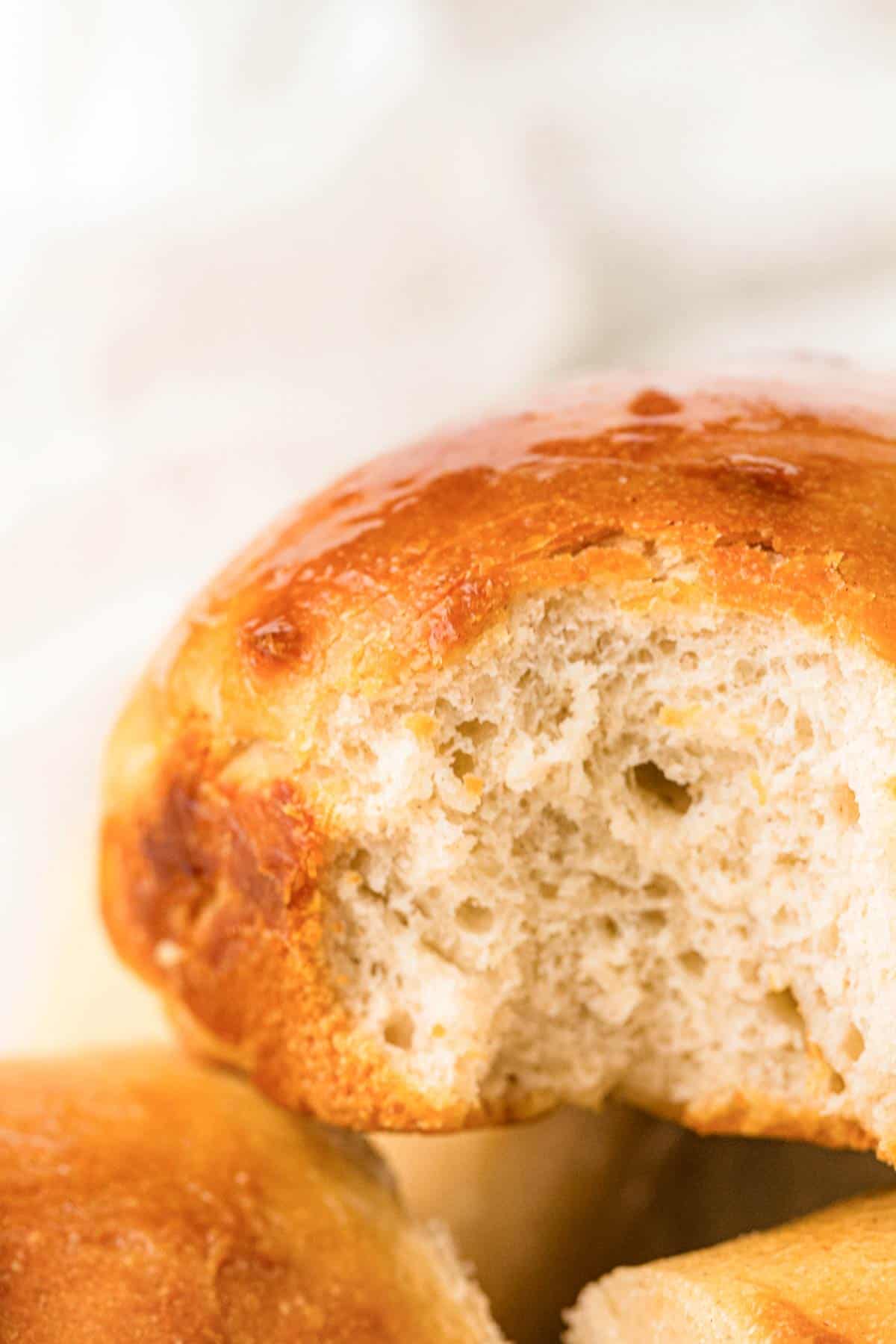
These rolls stay soft because the milk, butter, and honey enrich the dough without making it heavy. The sourdough starter gives flavor and structure while still keeping the texture fluffy and tender.
The flavor balance is what makes these stand out from many homemade rolls. They have:
- slight tanginess
- buttery richness
- lightly sweet flavor
- soft pillowy centers
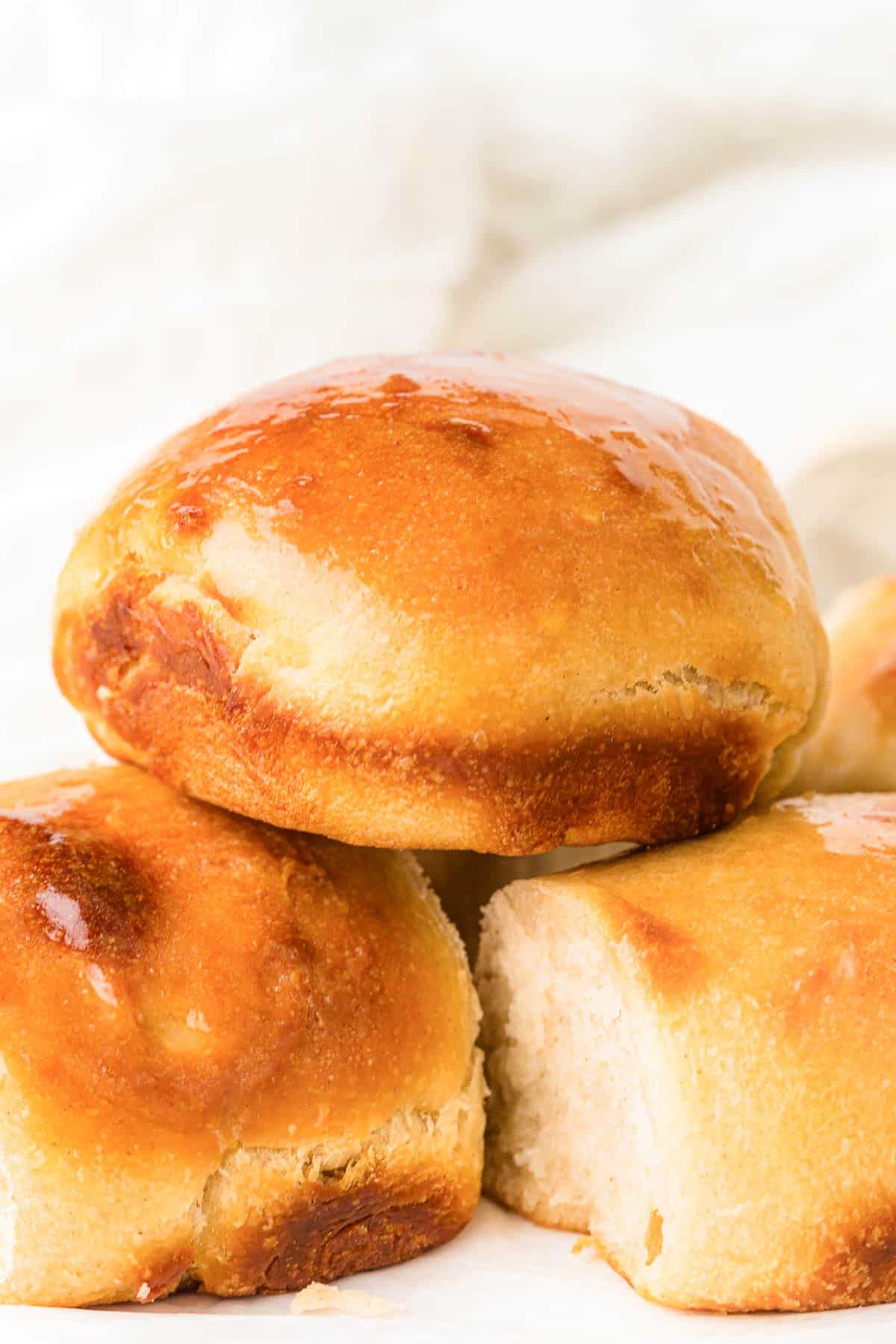
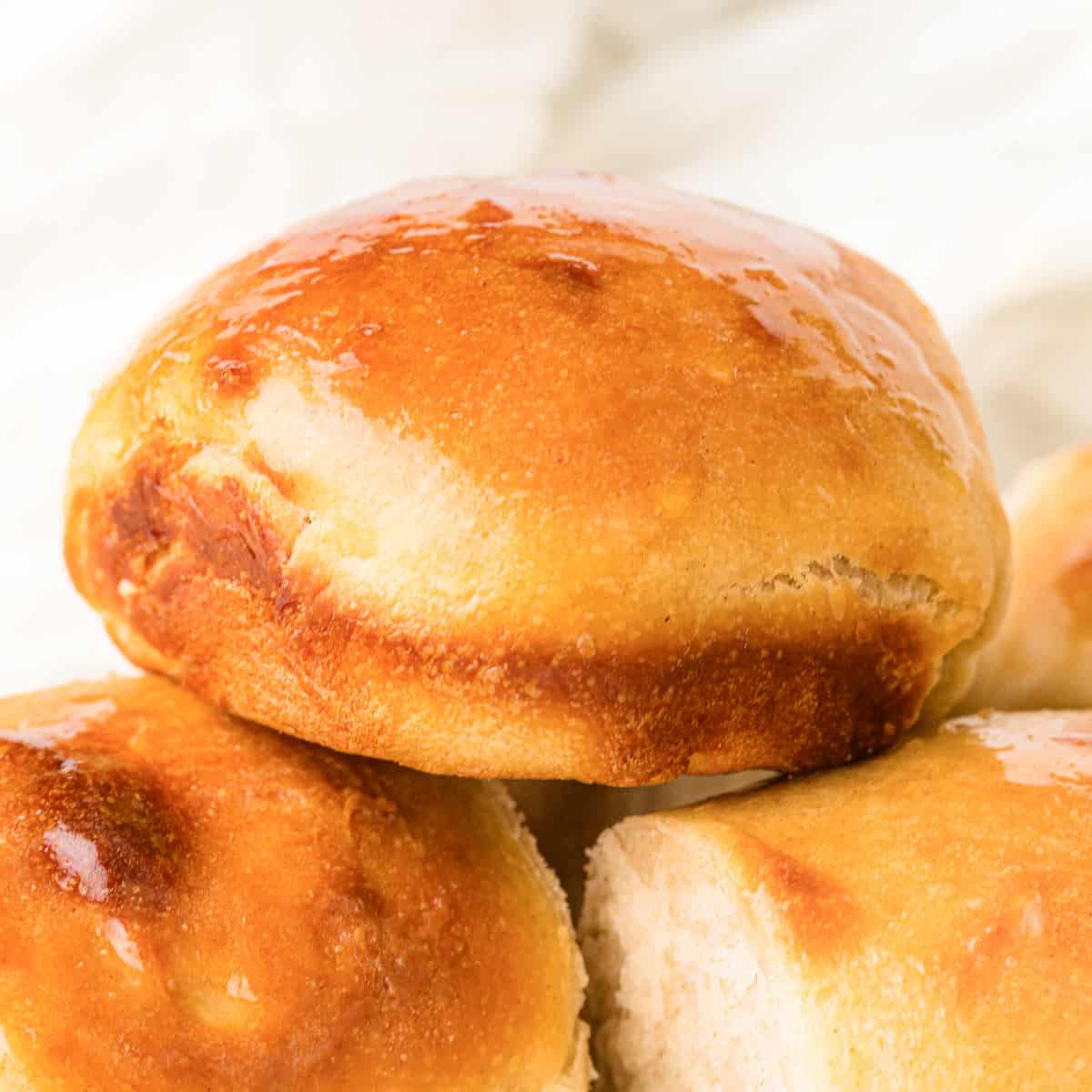
- golden tops with slightly crisp edges
The long rise time is what gives these rolls that cozy bakery-style flavor that makes homemade bread taste SO much better.
Honestly, I think they taste almost even better the next day warmed with butter.
Ingredients
- Active sourdough starter - This is the heart of the recipe. Use starter that is bubbly, doubled, and at peak activity for the fluffiest rolls. If your starter isn't active enough, the rolls can turn dense. You can use sourdough discard in a pinch, but expect a longer rise time and slightly less fluffy texture. If your starter looks flat or sleepy, give it another feeding before baking. Active starter is one of the biggest secrets to fluffy rolls.
- Bread flour - Bread flour gives these rolls their soft chewy structure and helps them rise beautifully. All-purpose flour works too, but the rolls will be slightly softer and less chewy. For a heartier version, you can replace up to 1 cup with whole wheat flour. I used all-purpose flour for a long time before switching to bread flour, and the texture difference was huge.
- Warm milk - Milk creates a softer, richer texture compared to water-only doughs. Whole milk works best, but 2% milk also works well. You can even use unsweetened oat milk or almond milk if needed, though the rolls may be slightly less rich. The milk should feel warm but not hot. Hot milk can weaken or kill the natural yeast.
- Honey or sugar - This lightly sweetens the dough and helps the rolls brown beautifully in the oven. I usually use honey for a deeper flavor, but regular sugar works perfectly too. Maple syrup can also be used for a subtle cozy flavor.
- Butter - Butter adds richness and keeps the rolls tender. Don't skip brushing the tops after baking because that's what keeps them extra soft. You can swap the butter for olive oil if needed, but the rolls will have a slightly different flavor and less buttery finish.
📋 You can find the full ingredient list in the Recipe Card below the article.
How to Make Sourdough Dinner Rolls
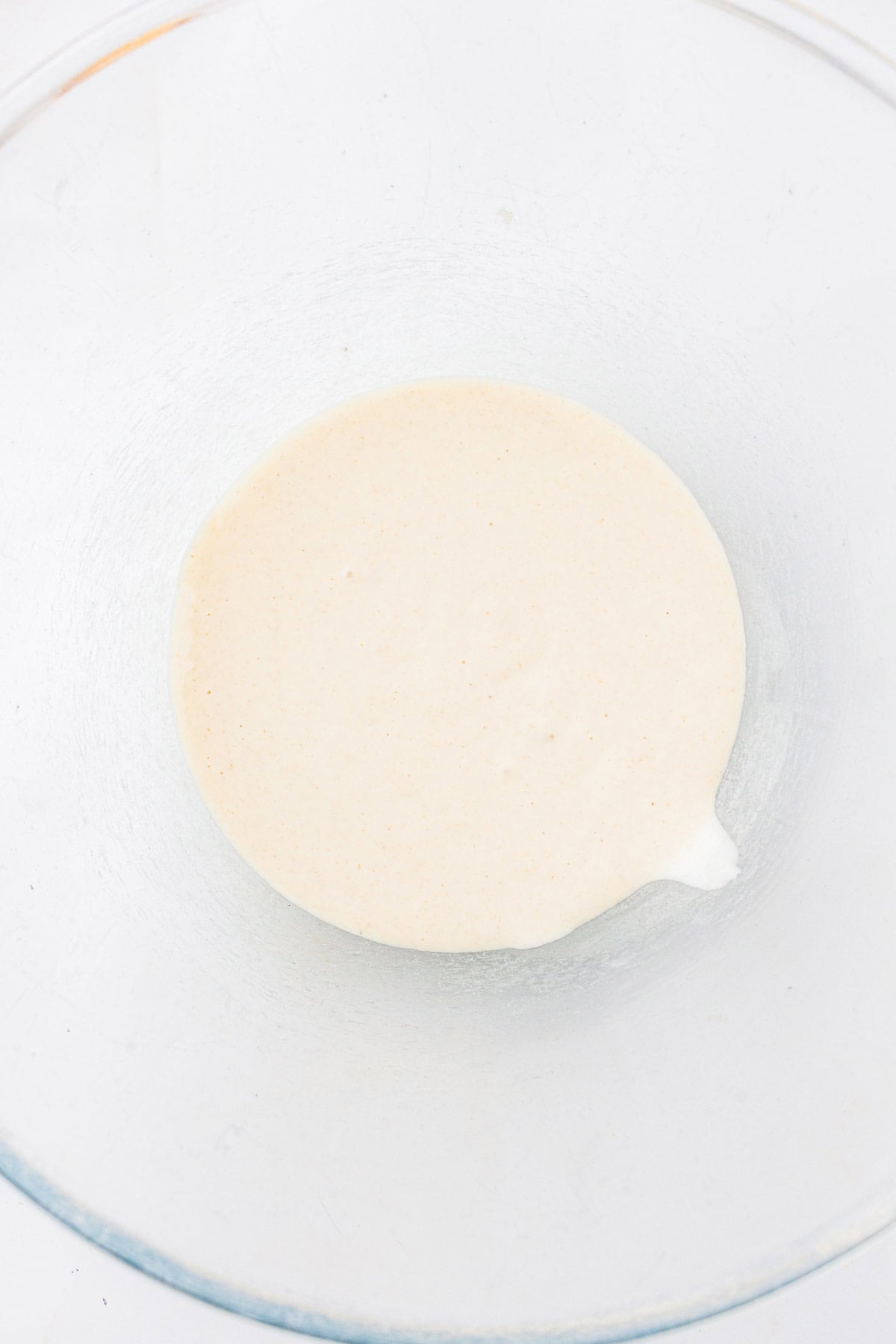
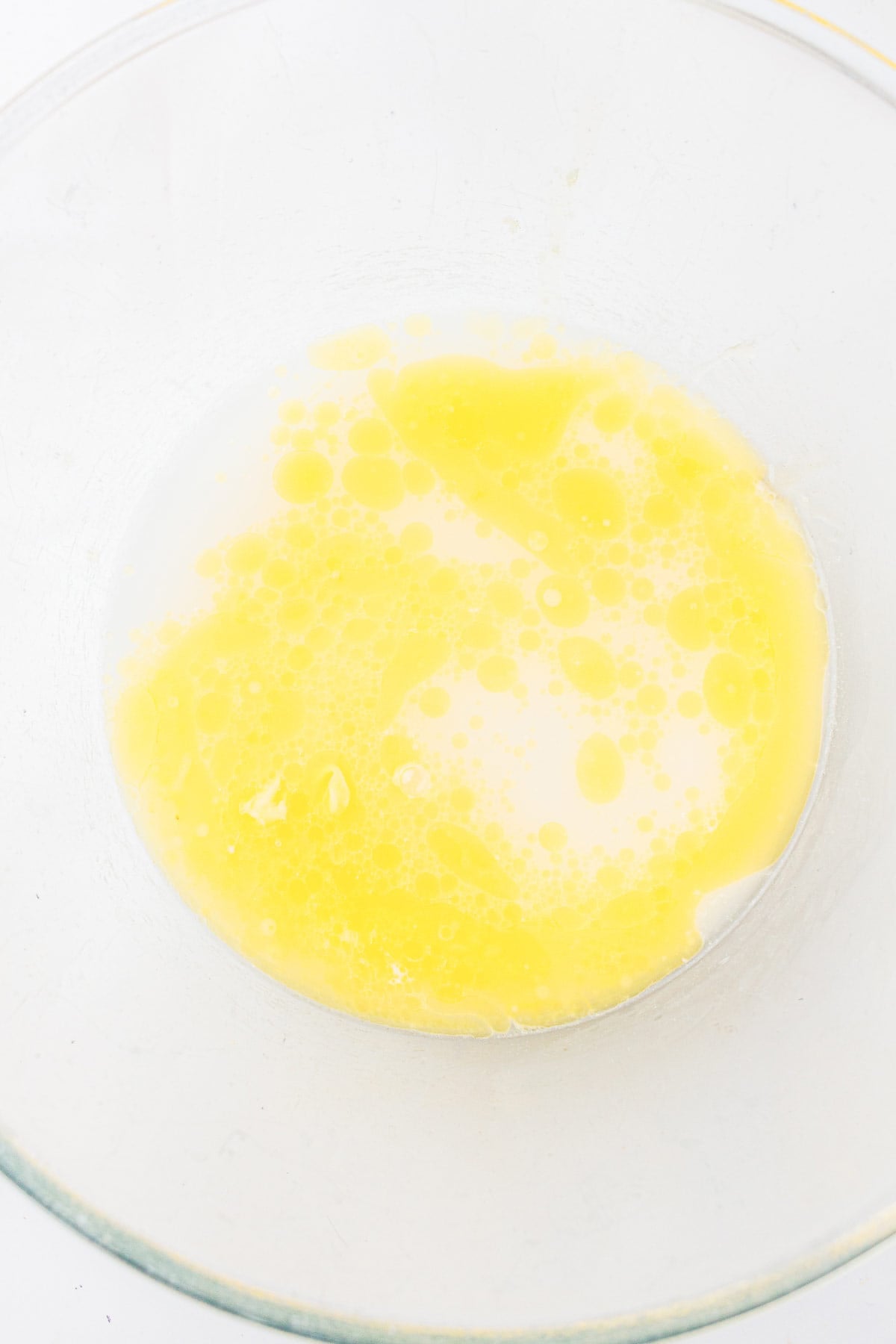
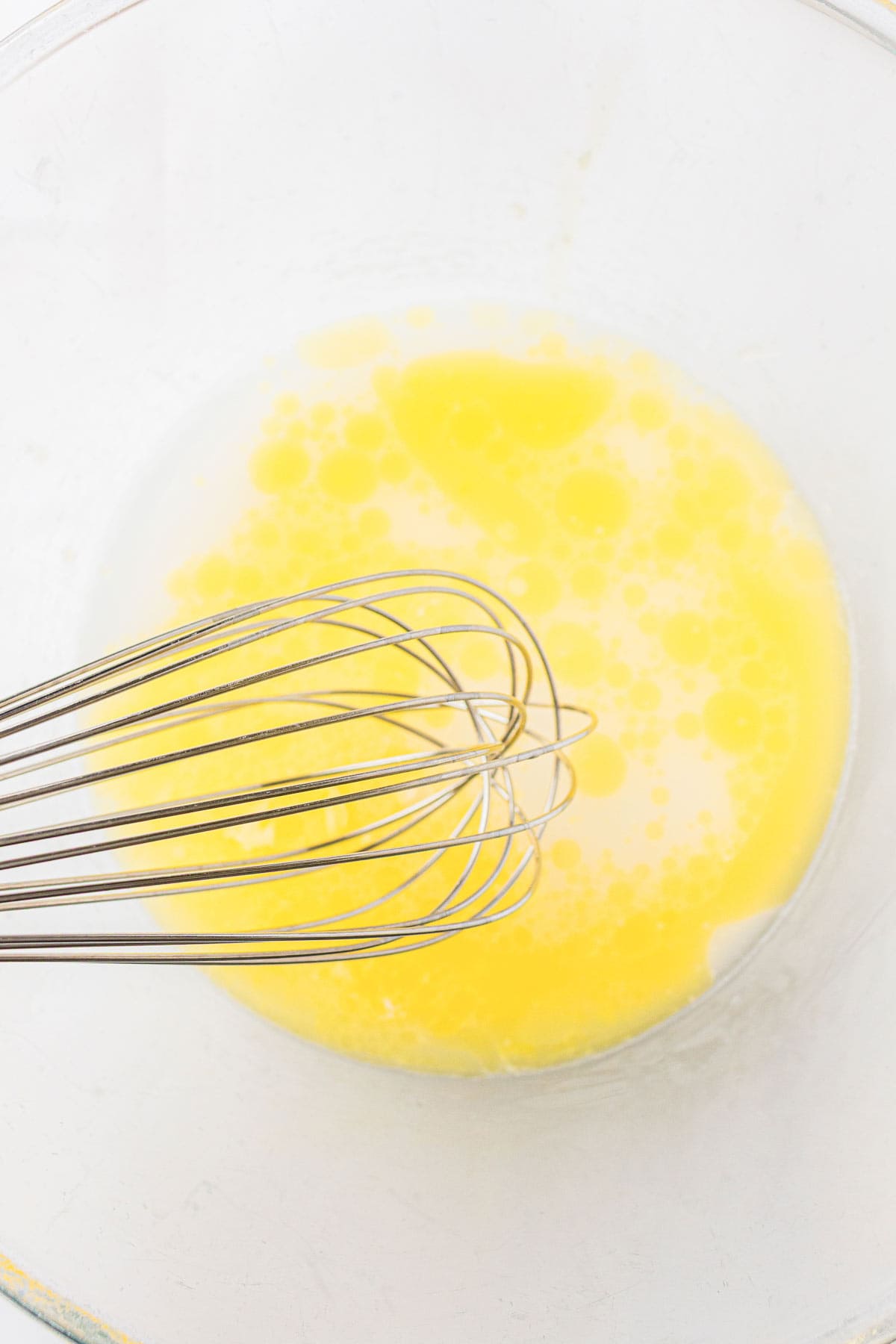
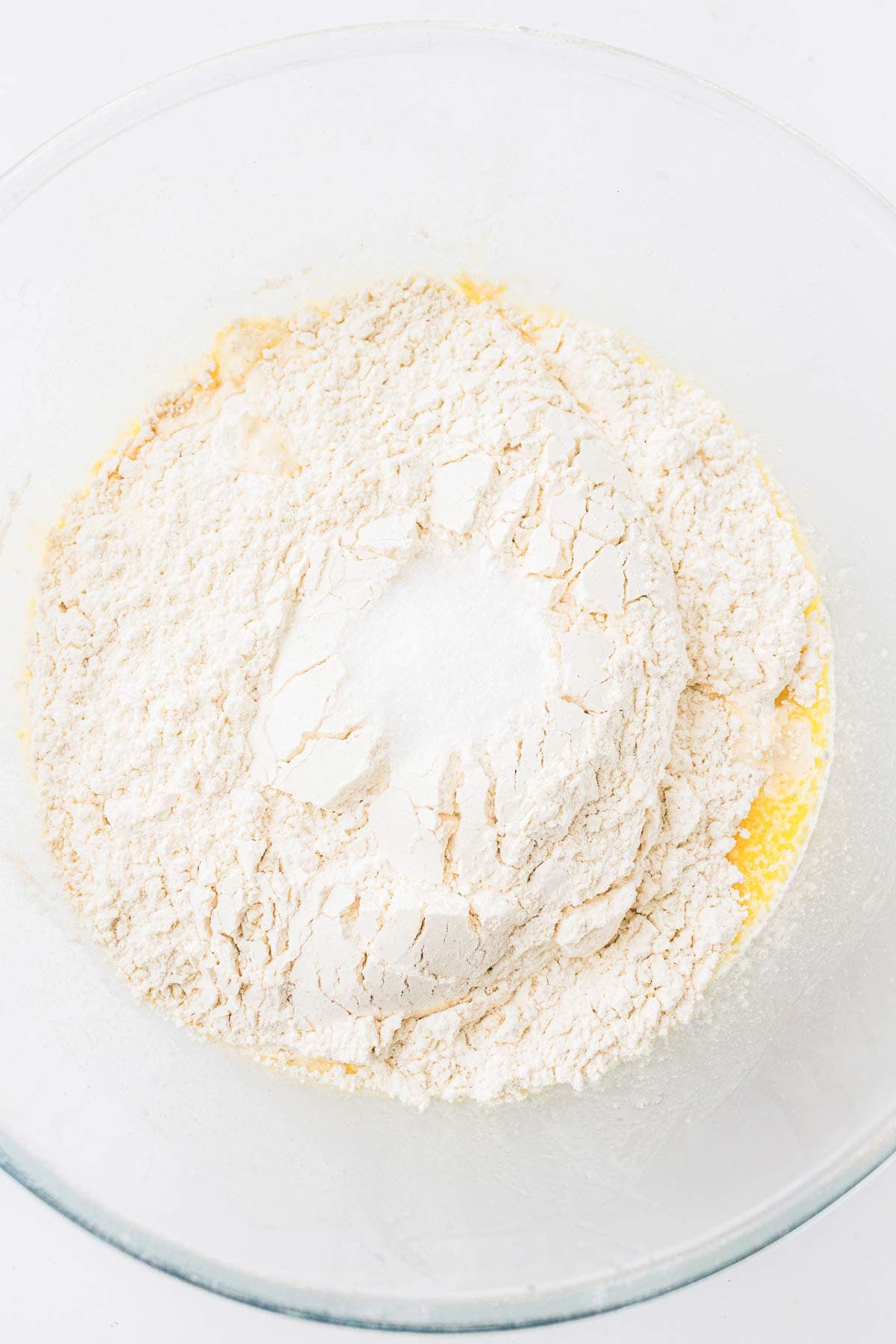
- Mix the wet ingredients: In a large bowl, combine the active sourdough starter, warm milk, melted butter, and honey. Stir until smooth and creamy.
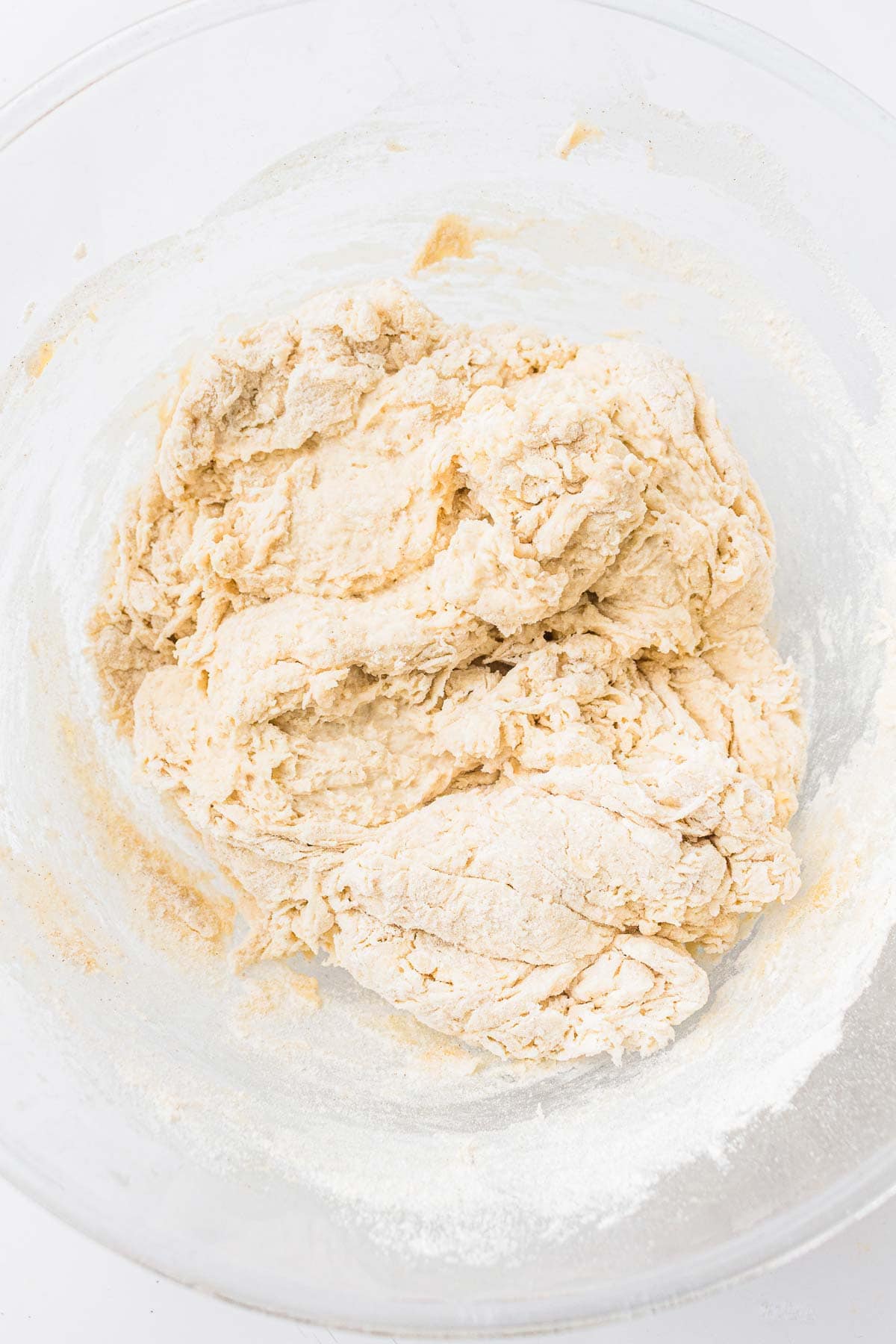
- Add the flour and salt: Add 3½ cups flour and the salt. Mix until a soft shaggy dough forms. At this stage the dough usually looks messy and a little sticky. That's exactly what you want. If the dough feels very wet and sticky, add a little more flour 1 tablespoon at a time.
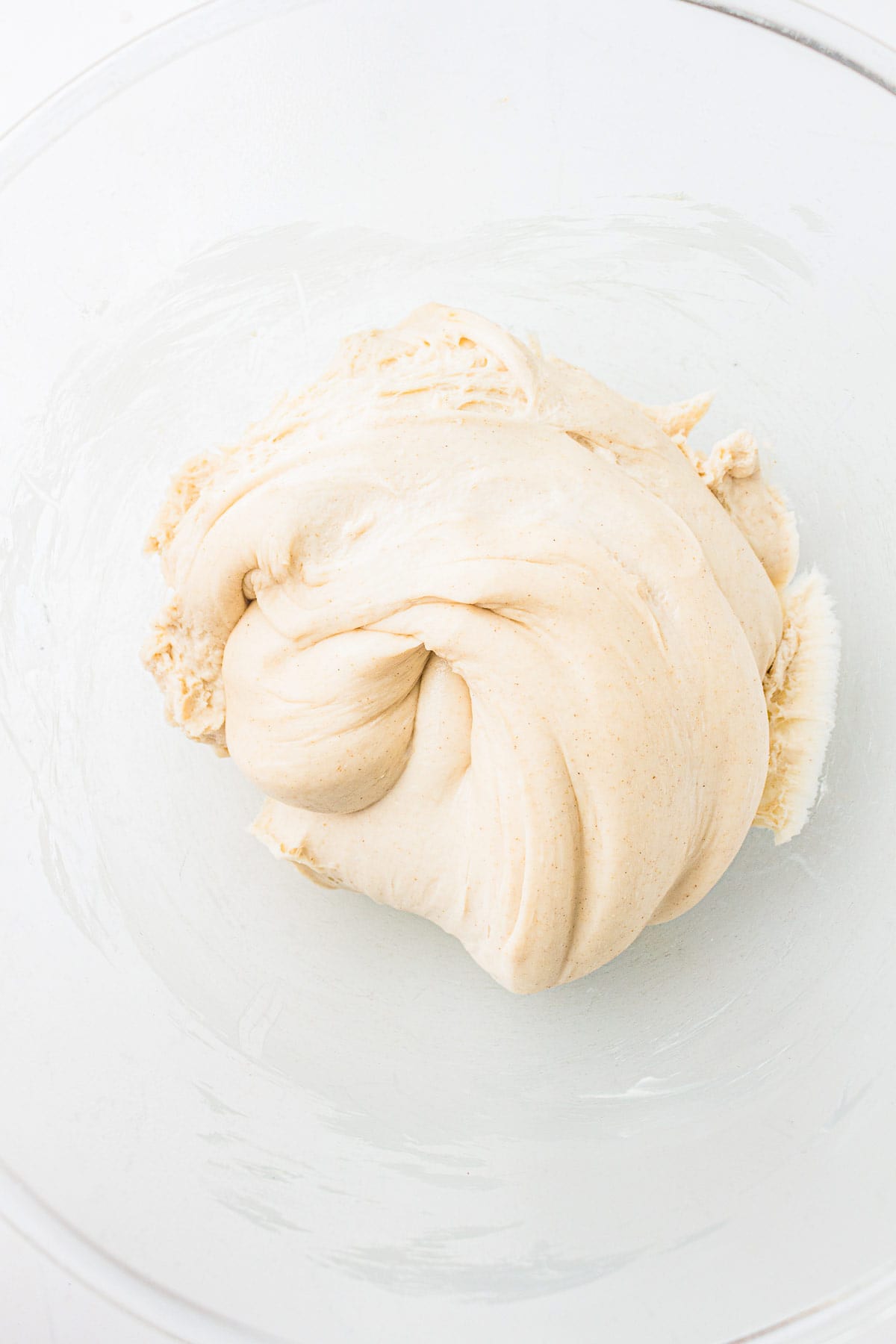
- Knead the dough: Transfer the dough to a lightly floured surface. Knead for 8-10 minutes until smooth, elastic, and slightly tacky. The dough should feel soft but not stick heavily to your hands. If the dough sticks slightly to your hands, that's normal. Adding too much flour can make the rolls dense.
- First rise: Place the dough into a lightly buttered bowl and cover. Let rise at room temperature for 4-6 hours. The dough should look puffier and increase about 50-75% in size. Sourdough moves slower than regular yeast dough, so patience really matters here.
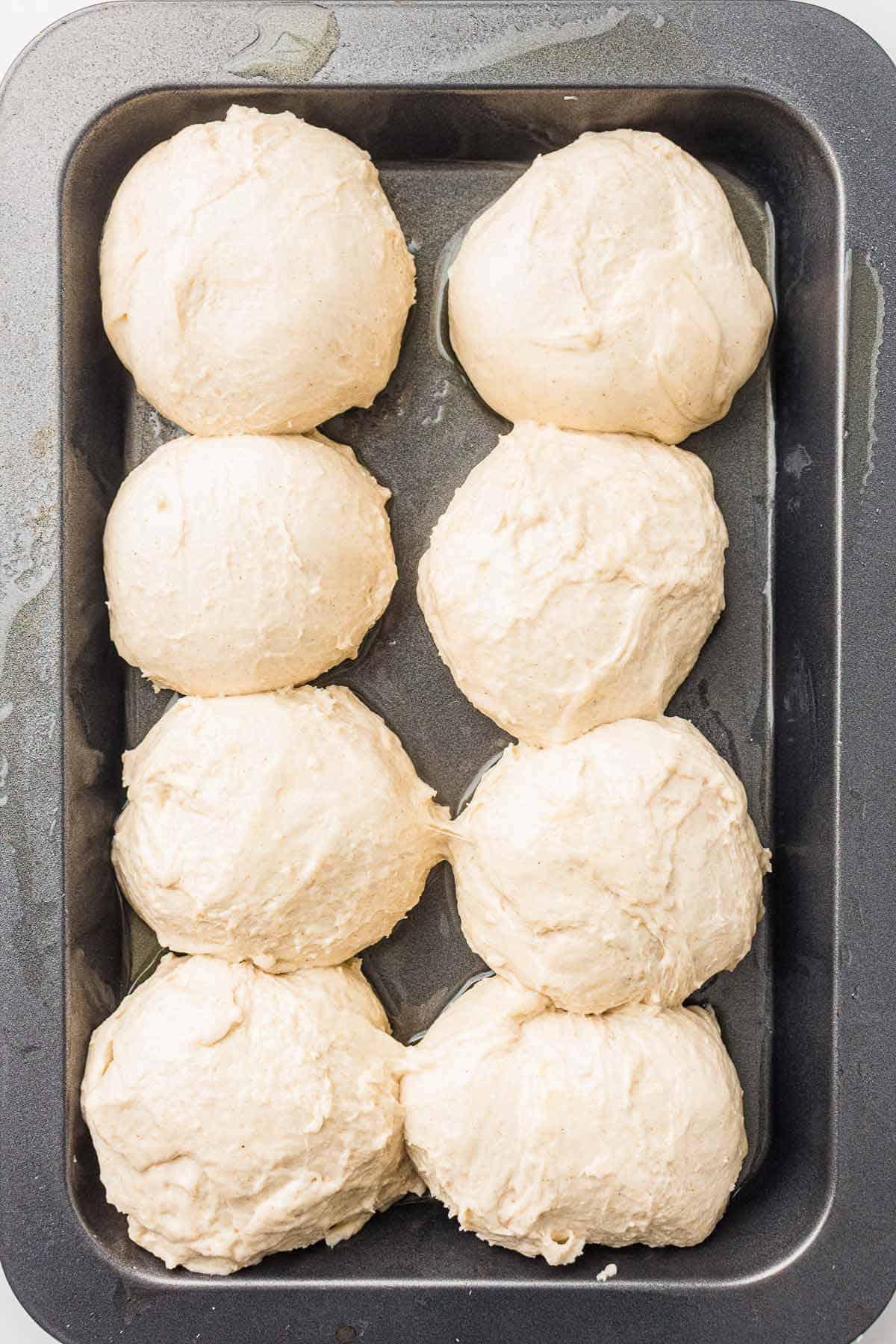
- Shape the rolls: Turn the dough onto a lightly floured surface and divide into 12 equal pieces. Tuck the edges underneath each piece and roll gently until smooth.
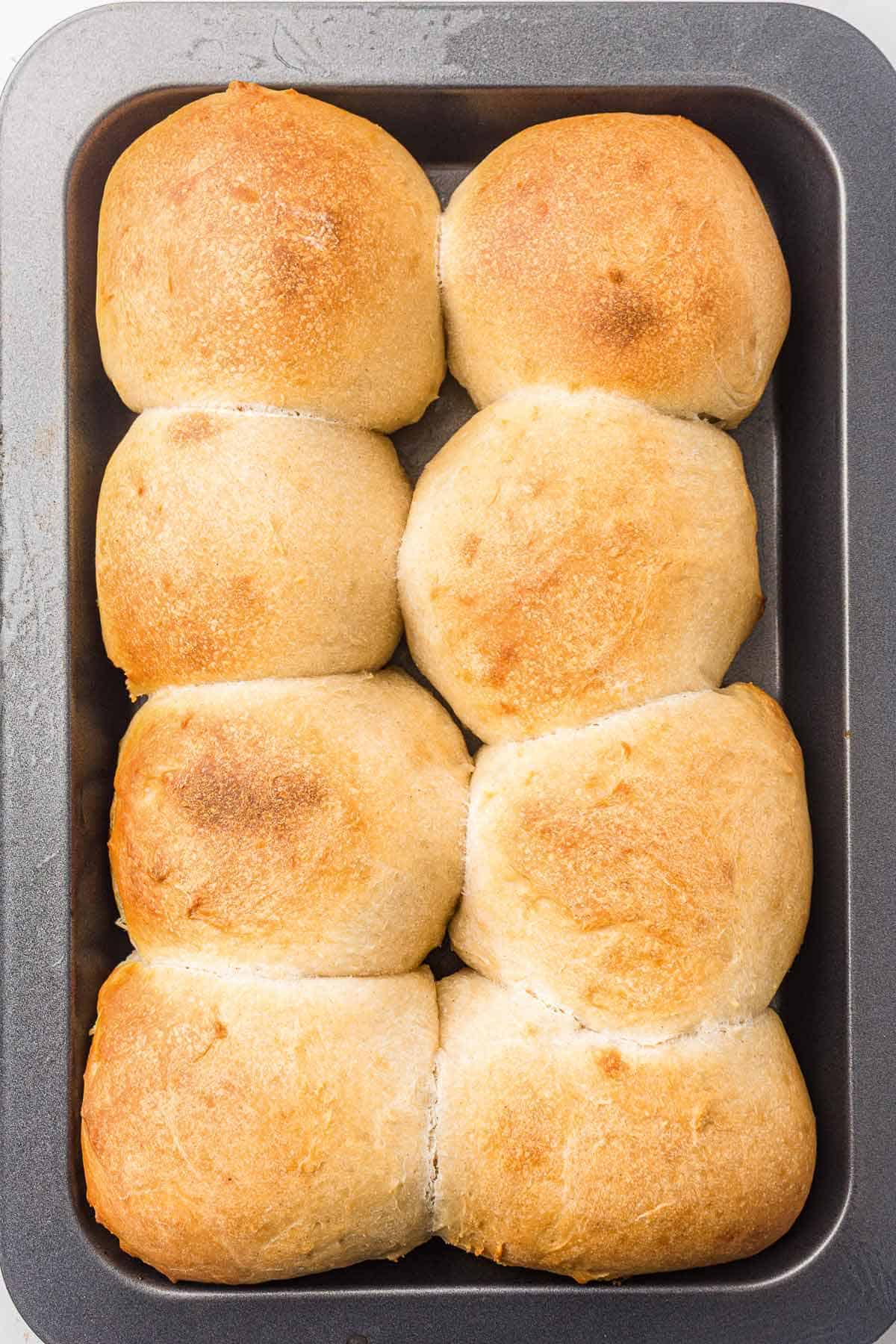
- Second rise: Place the rolls into a buttered 9×13 baking dish. Cover loosely and let rise for another 2-3 hours until visibly puffy and touching slightly. This is where impatient bakers (including me) usually try to bake too early.
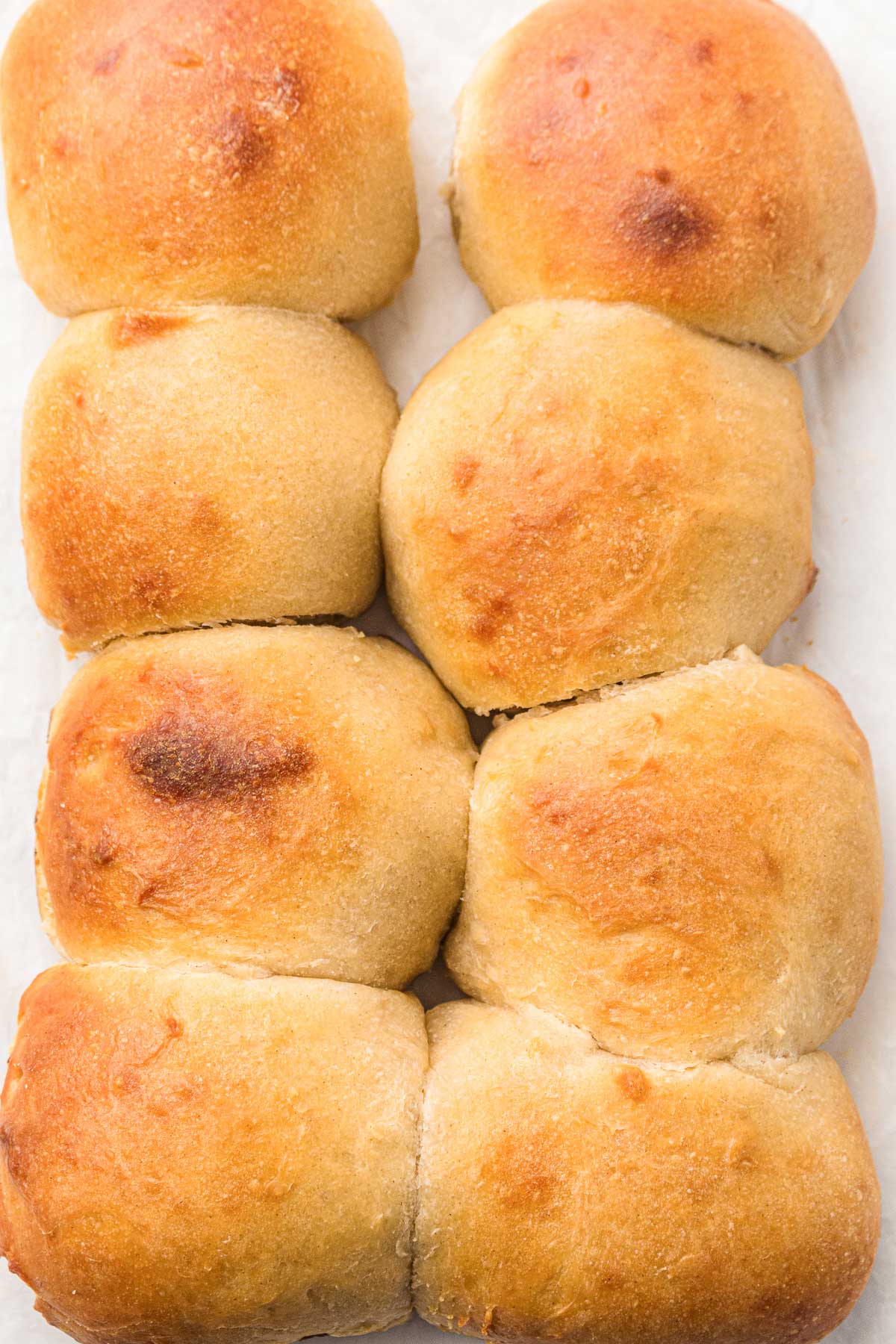
- Bake: Preheat the oven to 375°F (190°C). Bake for 20-25 minutes until golden brown on top. The kitchen should smell buttery and slightly sweet. Your kitchen will smell like a tiny bakery at this point.
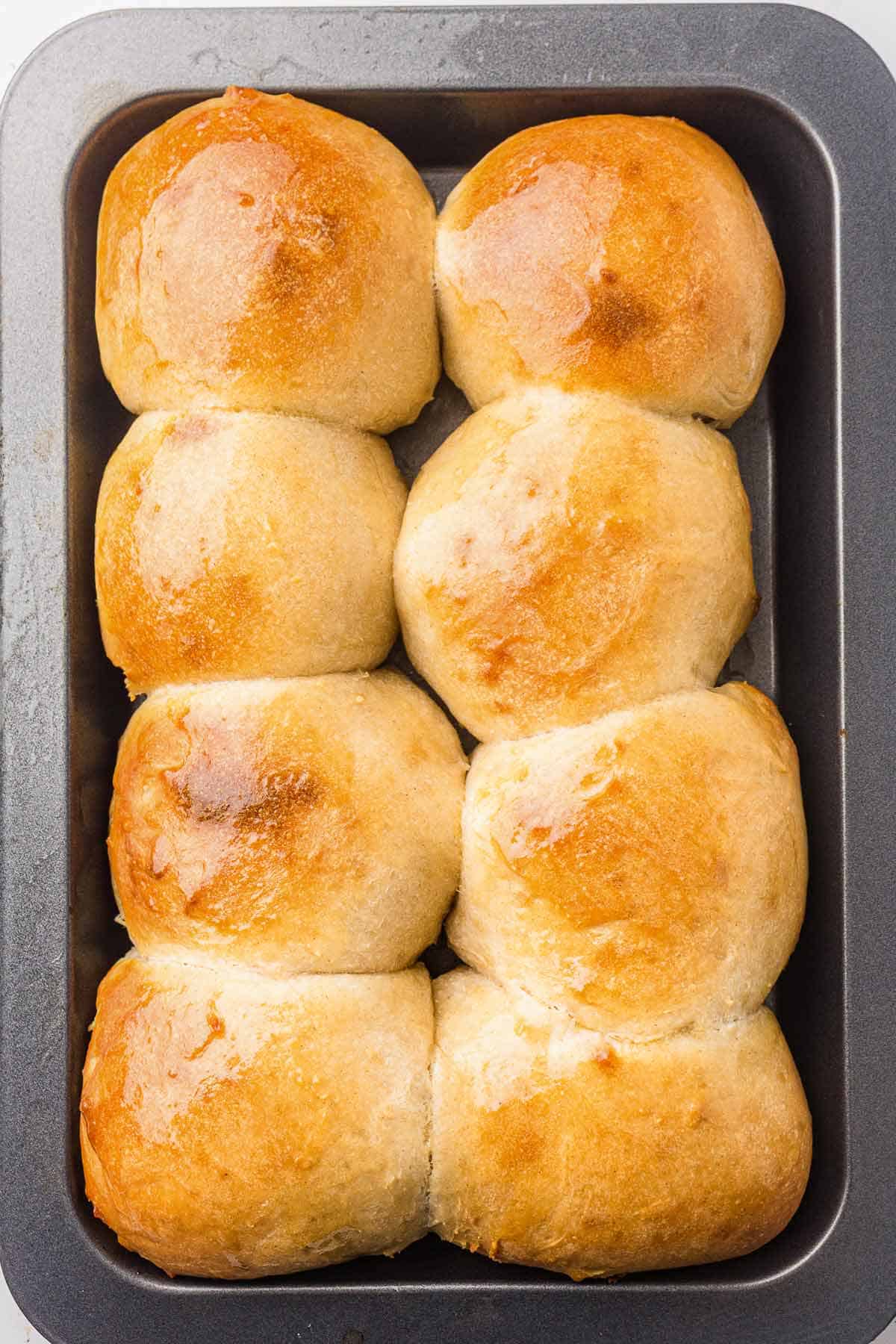
- Brush with butter: Immediately brush the warm pillowy rolls with melted butter. This keeps the tops soft and gives them that shiny bakery-style finish.
Sprinkle with flaky salt or parsley if desired. - Cool slightly and serve: Let the rolls cool for about 10-15 minutes before serving warm. I make these every holiday now!
Julia's Tip
Don't rush the rise time. Underproofed sourdough rolls are usually the reason homemade rolls turn dense instead of soft and fluffy. If they still look tight, give them more time. Sourdough loves patience.
My Favorite Tools
 Buy Now →
  Buy Now →
  Buy Now →
  Buy Now →
  Buy Now →
  Buy Now →
  Buy Now →
Bread Lame for Dough Scoring Knife
Buy Now → Buy Now →
  Buy Now →
  Buy Now →
 Tips
- The rolls are best slightly warm with butter melting into the middle. Honestly, it's very hard to stop at just one.
- Don't panic if the dough feels sticky at first. Sourdough dinner roll dough is naturally softer and richer than regular bread dough because of the milk and butter.
- Wet or lightly butter your hands if the dough sticks too much while shaping. This helps more than dumping in extra flour.
- I used to keep adding flour trying to "fix" sticky dough and ended up with dense heavy rolls instead of soft fluffy ones.
- Your starter should look bubbly, active, and doubled in size before mixing the dough. Sleepy starter usually means flatter rolls.
- If your kitchen is cold, the dough may need several extra hours to rise. Sourdough rolls are ready when they look puffy and airy, not tight and dense.
- Don't rush the second rise. This is honestly the biggest difference between fluffy bakery-style rolls and heavy homemade ones.
- The dough should feel soft, stretchy, and slightly tacky after kneading. If it feels stiff, too much flour was probably added.
- Overnight fridge fermentation gives these rolls incredible flavor and makes them even softer the next day.
- Brushing the tops with melted butter right after baking is what keeps the rolls extra soft and shiny.
- Slightly lighter golden tops are usually softer than deeply dark brown tops. Overbaked rolls dry out much faster.
- If the tops brown too quickly, loosely cover the pan with foil for the last few minutes of baking.
- Your kitchen will smell like a tiny bakery while these bake. This is usually the moment everyone suddenly appears asking when the rolls are ready.
- These rolls freeze surprisingly well, so I often make a double batch for future dinners and sandwiches.
Serving Suggestions
I especially love these warm with whipped butter next to a cozy soup on cold nights.
I also like serving them with:
- creamy soups
- beef stew
- chili
- roast chicken
- holiday turkey dinners
- pasta dishes
- cozy winter casseroles
They're also amazing with:
- garlic butter
- whipped honey butter
- jam
- breakfast eggs
- slider sandwiches
Troubleshooting
- Can I use sourdough discard instead of active starter? You can, but active starter gives the best rise and fluffiest texture. Discard usually works better for flavor than lift, so the rolls may need much longer rising time.
- Why are my sourdough rolls dense? This is super common with beginner sourdough baking. Usually the dough simply needed more rise time or the starter wasn't active enough yet. The rolls should look noticeably puffy and airy before baking.
- Why didn't my rolls rise much? Cold kitchens slow sourdough down A LOT. Sometimes the dough just needs extra time. If your starter also looked flat or sleepy, that can affect the rise too.
- Why is my dough so sticky? Sourdough dough is naturally softer and stickier than regular yeast dough. Don't panic and dump in tons of flour. I learned that lesson the hard way and ended up with heavy dense rolls instead of soft fluffy ones.
- Can I refrigerate the dough overnight? Yes, and I actually recommend it. The overnight rise gives these rolls even better flavor and makes the dough easier to work with the next day.
- How do I keep homemade dinner rolls soft? Brush them with melted butter right after baking and avoid overbaking. Slightly lighter golden tops usually stay softer than very dark rolls.
- Can I make these rolls without bread flour? Yes. All-purpose flour works well too, though the rolls may be slightly less chewy and fluffy.
- Why do my rolls feel heavy instead of fluffy? Usually this means they were underproofed or too much flour was added while kneading. The dough should feel soft and slightly tacky, not stiff.
- Why are my rolls dry? Too much flour or overbaking are usually the biggest causes. Even an extra few minutes in the oven can dry homemade rolls out quickly.
- My rolls browned too fast. What happened? Some ovens run hotter than others. If the tops brown too quickly, loosely cover the pan with foil during the last part of baking.
- What if my rolls don't look perfect? Honestly, homemade sourdough is supposed to look a little rustic. Even the "ugly" batches usually taste incredible warm with butter.
Storing Leftovers
- To Store. Store the rolls in an airtight container at room temperature for up to 3 days. I usually keep them wrapped loosely in foil inside a container to help them stay soft.
- To Freeze. Freeze baked rolls for up to 2 months. Let them cool completely first so condensation doesn't create ice crystals.
- To Make Ahead. After shaping the rolls, cover and refrigerate overnight. The next day, let them sit at room temperature until puffy before baking.
- To Reheat. Reheat covered in foil at 300°F for 10-15 minutes until warm and soft again. A small brush of butter helps refresh them beautifully.
More Homemade Bread Recipes

Before You Head Out
If you gave this recipe a try, I'd be so thankful if you could leave a ★★★★★ rating and review below. It helps other readers, supports my work, and means the world to me. Thank you for being part of The Yummy Bowl family. Happy cooking! ❤️
This is part of my roundup of sides to serve with turkey.
Recipe Card
Sourdough Dinner Rolls
Ingredients
Equipment
Method
- Mix wet ingredients: In a large bowl, combine the active sourdough starter, warm milk, melted butter, and honey. Stir until smooth.1 cup active sourdough starter, 3 tablespoons unsalted butter, 2 tablespoons honey or sugar, 1 cup warm milk
- Add dry ingredients: Add 3½ cups flour and the salt. Mix until a soft dough forms. If the dough feels sticky, gradually add more flour a tablespoon at a time until manageable.3½-4 cups bread flour, 1½ teaspoons fine sea salt
- Knead the dough: Turn the dough onto a lightly floured surface and knead for about 8-10 minutes until smooth and slightly tacky but not dry.
- First rise: Place the dough in a lightly buttered bowl and cover.
- Let dough rise: Let rise at room temperature for 4-6 hours, until puffy and about 50-75% increased in size.
- Divide the dough: Turn the dough onto a lightly floured surface and divide into 12 equal pieces or 15 smaller rolls.
- Shape the rolls: Shape each piece into a smooth ball by tucking the edges underneath and rolling gently on the counter.
- Arrange in baking dish: Place the rolls into a buttered 9×13 baking dish, spaced slightly apart.
- Second rise: Cover loosely and let rise for 2-3 hours until the rolls are touching and visibly puffy.
- Preheat oven: Preheat the oven to 375°F (190°C).
- Bake the rolls: Bake for 20-25 minutes until the tops are golden brown.
- Brush with butter: Immediately brush the rolls with melted butter for shine and softness.2 tablespoons melted butter
- Add toppings: Sprinkle with flaky salt or parsley if desired.Optional: flaky salt or chopped parsley
- Cool slightly and serve: Allow the rolls to cool slightly before serving.
- Enjoyed this recipe? Leave a quick 5-star rating and review to let me know!
Nutrition
Notes
- Don't rush the rise time. Sourdough rolls and loaves need patience. If the dough still looks tight or dense, give it more time. This is probably the biggest beginner mistake.
- Sticky dough is normal. I used to keep adding flour because I thought I was doing something wrong and ended up with super heavy bread. Slightly sticky dough usually creates softer, airier texture.
- Let the bread cool before slicing. I know this is torture because the smell is unreal, but cutting too early can make the inside gummy instead of soft and chewy.
Storing Leftovers
- Store sourdough bread loosely wrapped in a kitchen towel or paper bag at room temperature for 2-3 days. This helps the crust stay crisp without drying the inside out.
- Avoid refrigerating sourdough if possible because it tends to become stale faster.
- For longer storage, slice the loaf first and freeze in a freezer-safe bag for up to 2 months. I love doing this for quick toast in the mornings.
- To reheat, toast slices straight from frozen or warm the loaf in the oven for a few minutes until crisp outside and soft inside again.
- Honestly, sourdough toasted the next day with butter might be even better than fresh.
FAQs
Tried this recipe?
Let us know how it was!Have leftover sourdough starter? Make my artisan loaf next!
Note: Nutrition information is estimated and varies based on the products used.
Full Nutrition Disclaimer can be found here.
Join TYB
Insider
Get access to exclusive recipes,
weekly meal plans, printable
grocery lists, and AD-FREE
browsing designed to make
mealtime easier.





Comments
No Comments