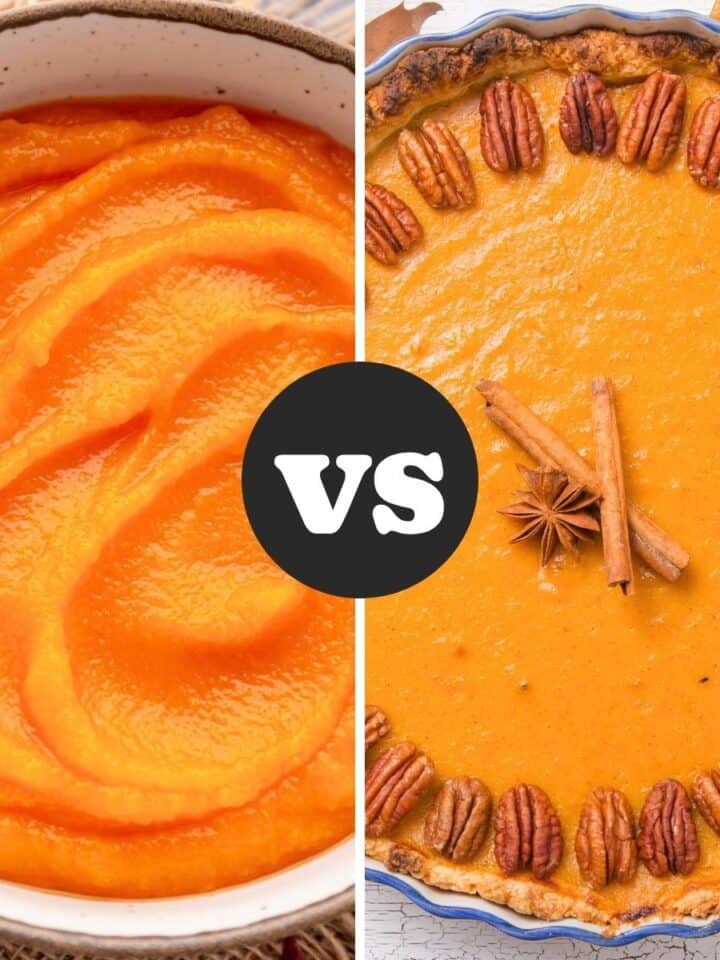


The best turkey broth substitute is chicken broth or stock, used one for one - it is close enough that most people cannot tell in gravy or stuffing. Turkey bouillon or better-than-bouillon paste, pan drippings loosened with water, or a fast stock from the turkey neck and giblets all work too.

Disclosure: This post contains affiliate links. If you purchase through one of my links, I may earn a small commission at no extra cost to you. Thank you for supporting my blog!

Want to Save This Recipe?
Enter your email and we’ll send the recipe directly to you!
By submitting this form, you consent to receive emails from The Yummy Bowl.
Turkey Broth Substitutes at a Glance
| Substitute | Ratio | Best for | Watch out for |
|---|---|---|---|
| Chicken stock | 1:1 | Everything: gravy, stuffing, soup | Stock beats broth here, more body |
| Chicken broth | 1:1 | Stuffing, soup | Thinner and usually saltier than stock |
| Bouillon paste or cubes | 1 teaspoon paste or 1 cube per cup water | Gravy, stuffing | Very salty. Do not add salt until the end |
| Pan drippings plus water | Loosen drippings to the volume you need | Gravy, best flavor by far | Skim the fat first or it will not thicken |
| Neck stock, no liver | Simmer 45 to 60 min, then 1:1 | Gravy | Leave the liver out or it turns bitter |
| Vegetable broth | 1:1 | Stuffing, vegetarian gravy | Often carrot-sweet, tastes off in gravy |
| Bone broth | 1:1 | Soup, richer gravy | Usually unsalted, and very rich |
| Water, soy sauce and butter | 1 cup water, 1 teaspoon soy, 1 tablespoon butter | Emergency gravy only | Soy is salty, so taste before seasoning |
How to Use Each One
They are not all the same swap, which is the part that trips people up. Here is what actually changes with each one, and how to fix it.
Chicken Stock (the one to grab)
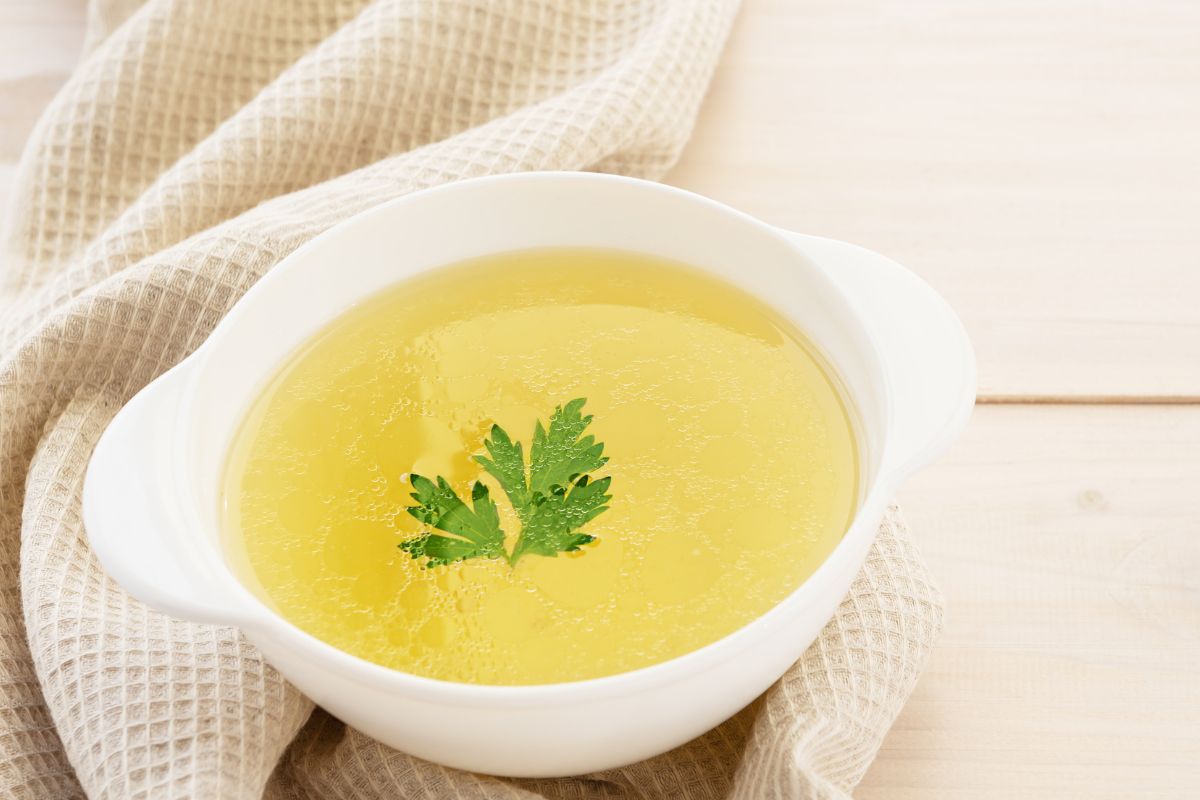
If you take nothing else from this page: use chicken stock, one for one, and nobody at your table will figure it out. Turkey and chicken are close enough in flavor that gravy and stuffing hide the difference completely. Reach for stock rather than broth if the carton gives you the choice, because stock is simmered from bones and carries gelatin, and gelatin is what gives gravy that glossy, coats-the-spoon body. Broth is made from meat, so it is thinner and usually saltier.
Bouillon Paste or Cubes
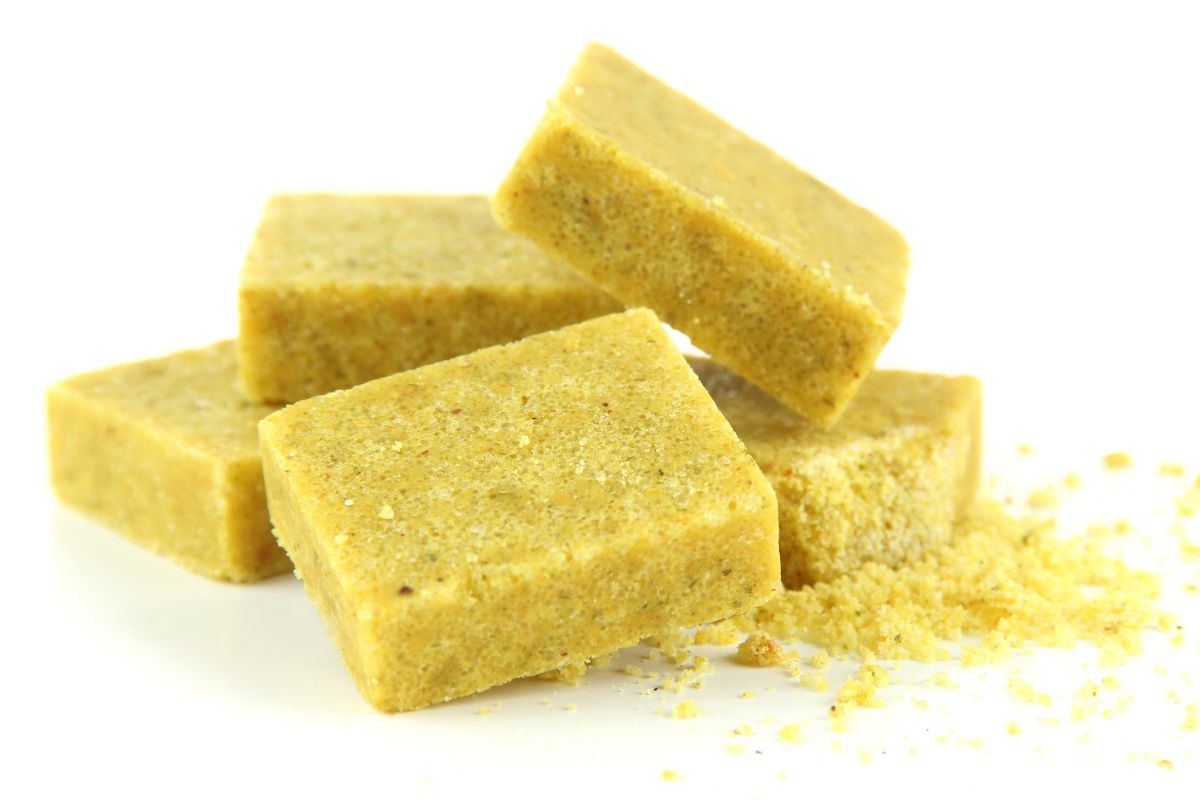
A jar of bouillon paste lives in my fridge year round and it has saved more than one Thanksgiving. Use 1 teaspoon of paste, or one cube, per cup of hot water and whisk it until it dissolves. Here is the part the label does not shout about: a single teaspoon can carry 500 to 700 milligrams of sodium, so your gravy is already salty before you touch the salt. Mix it a little weaker than the directions say, and do not season until the very end.
Pan Drippings Loosened with Water
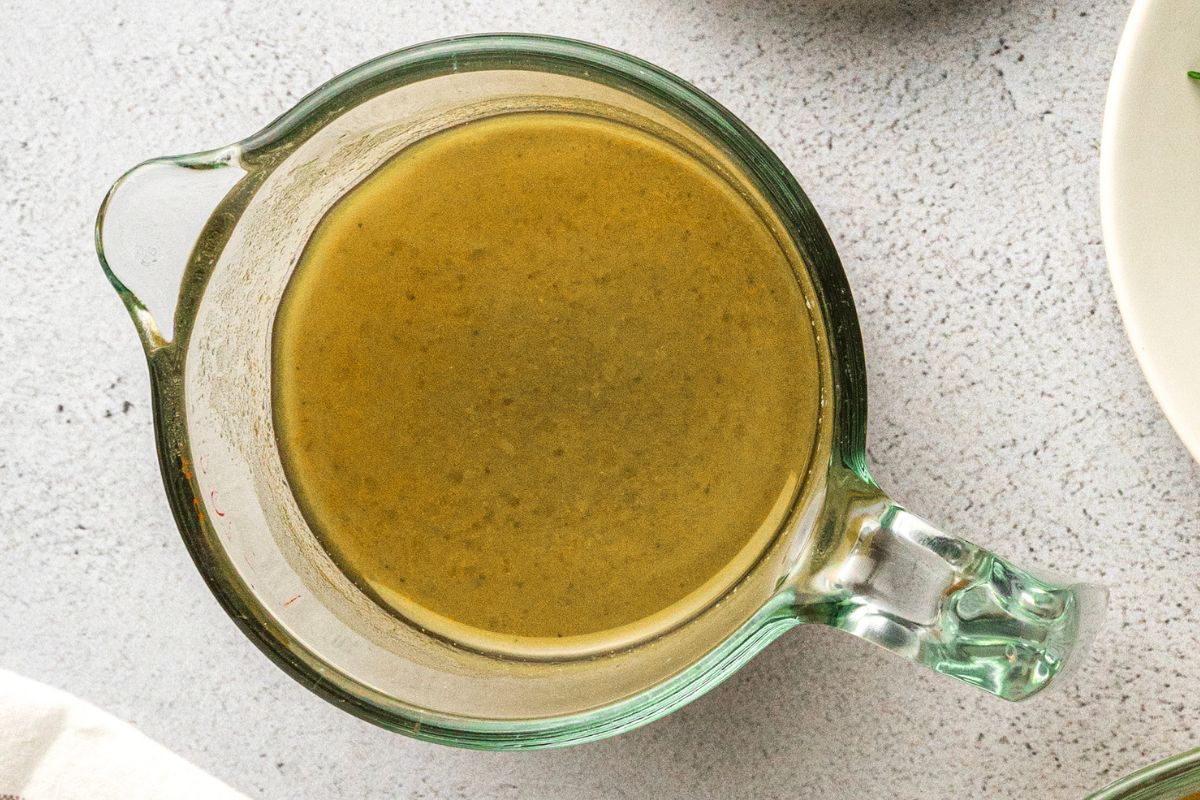
This is genuinely the best flavor of anything on this list, because it is actual turkey. Pour off what collected in the roasting pan, let it settle for a few minutes, then skim the fat off the top and keep the dark liquid underneath. Top it up with water or stock to whatever volume the recipe wants. Do not skip the skimming, because too much fat will stop your roux from thickening and you will get a greasy layer floating on the gravy.
Stock from the Neck
The neck is sitting in the cavity of your bird in a little bag and most people throw it away, which is a shame because it makes better stock than anything in a carton. Details below, including the one giblet you should leave out.
Vegetable Broth
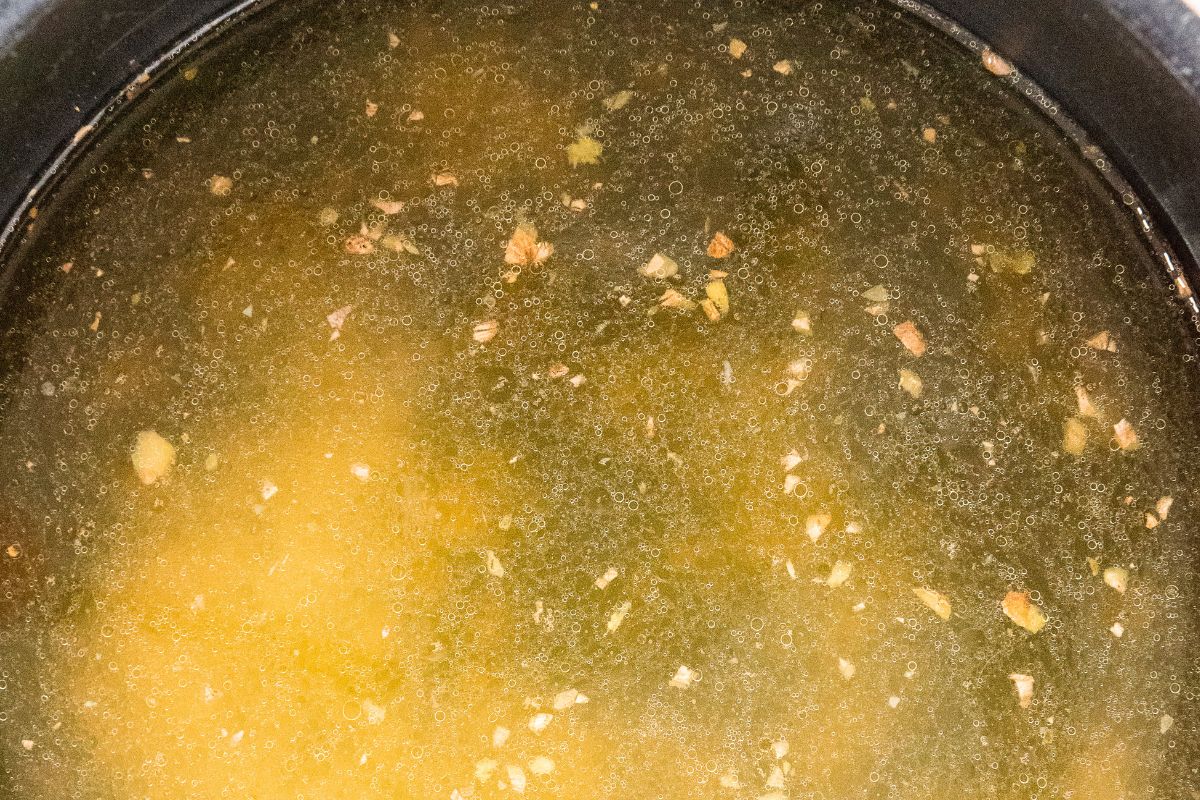
Perfectly good in stuffing, where there is so much butter, herb, and onion going on that nothing else registers. It is also your answer for a genuinely vegetarian gravy. The catch is that a lot of vegetable broths lean heavily on carrot, so they taste faintly sweet, and that sweetness is noticeable in a plain gravy in a way it never is in stuffing. If it is all you have, a splash of soy sauce pulls it back toward savory.
Bone Broth
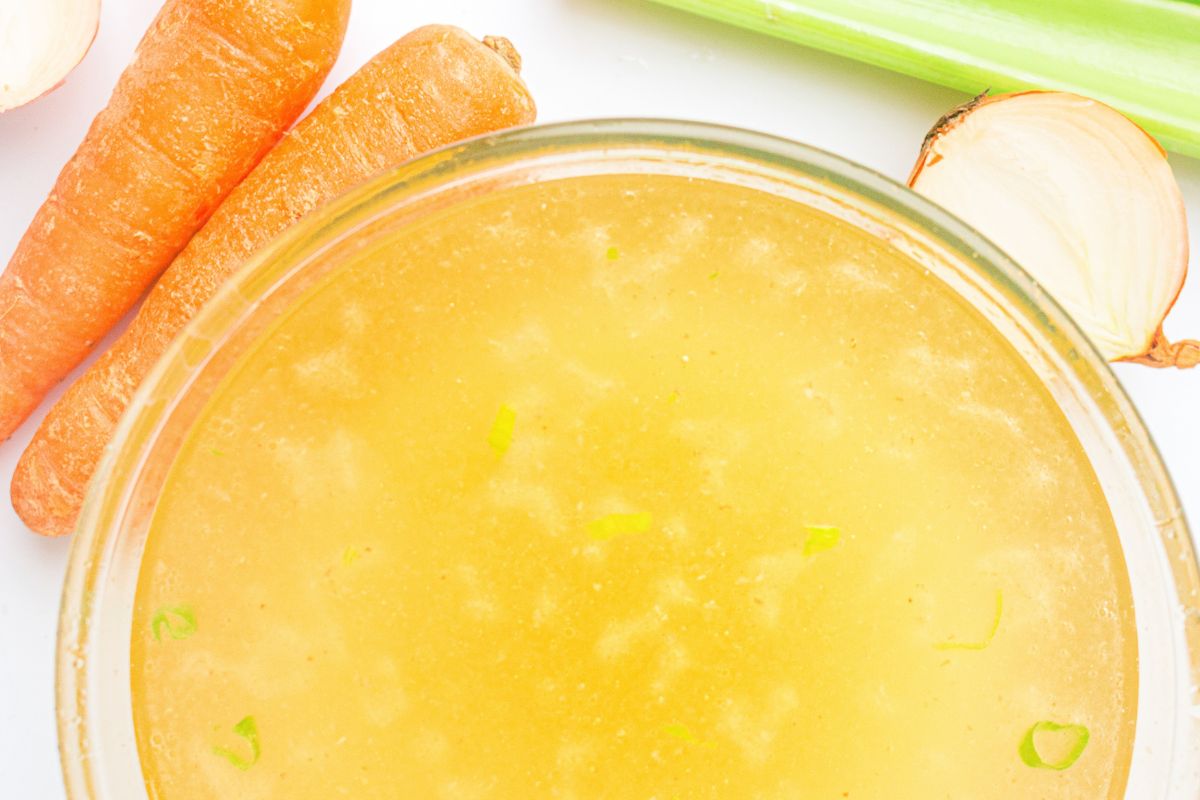
Works well and makes a rich gravy, with two things to know. Most bone broth is sold unsalted, so you will need to season more aggressively than you expect. And it is very gelatinous, to the point where it sets like jelly in the fridge. That is a sign of good bone broth, not a spoiled one, and it melts the second it hits a warm pan.
Water, Soy Sauce and Butter
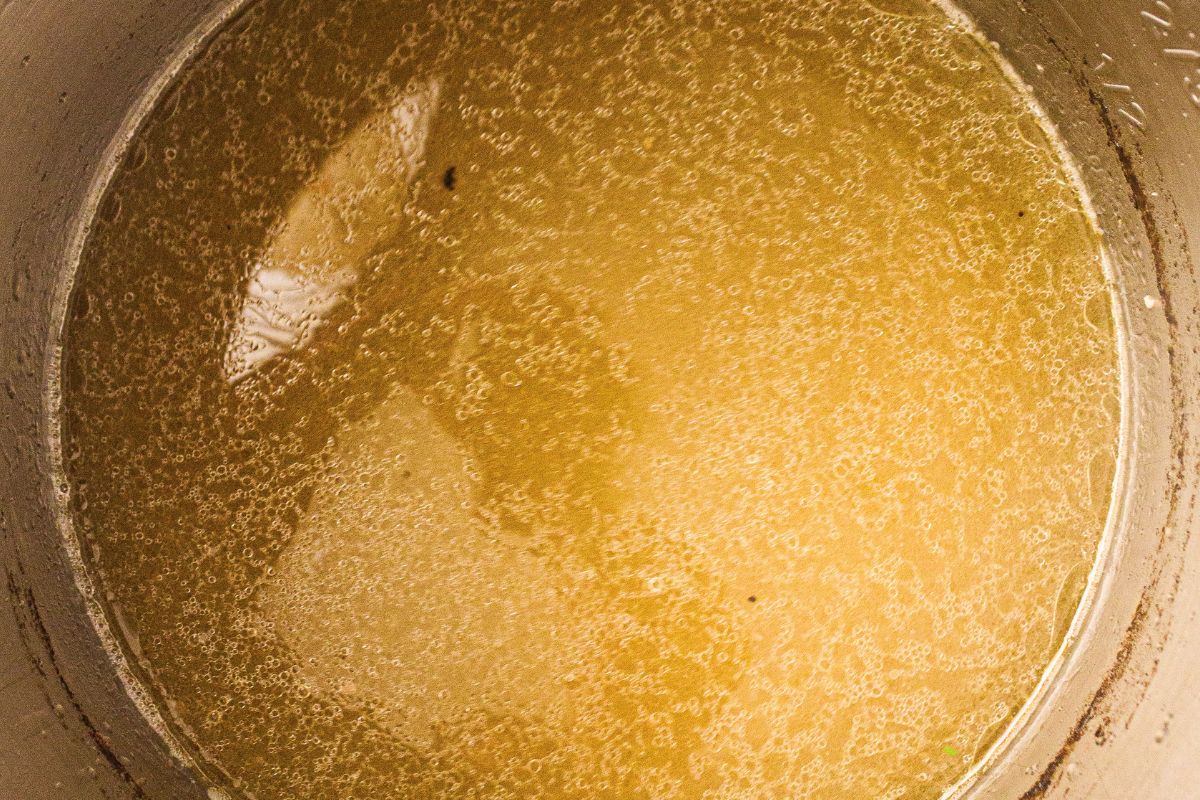
The true emergency move, for when it is 4 pm and there is nothing in the house. Per cup of water, whisk in about 1 teaspoon of soy sauce and 1 tablespoon of butter. The soy brings the savory depth and the brown color that water alone cannot, and the butter adds back some richness. It will not fool anybody who is paying attention, but poured over mashed potatoes it absolutely does the job.
The Salt Trap Nobody Warns You About
This is the mistake I see most, and it has nothing to do with which substitute you pick. Gravy reduces while you cook it, and as the water leaves, the salt stays behind and gets concentrated. So a gravy that tasted balanced five minutes ago can end up genuinely inedible.
Two rules fix it. Start with unsalted or low sodium stock whenever you have the option, because you can always add salt and you can never take it out. And do all your seasoning at the very end, after the gravy has thickened and stopped reducing. If you have already over-salted it, stir in a splash of cream or an extra ladle of unsalted stock, which is the only real rescue.
How to Make Fast Turkey Stock from the Neck
Forty five minutes of almost no attention and you have real turkey stock, which beats any substitute on this list. You can do it while the bird roasts.
Use the neck, the gizzard, and the heart. Leave the liver out. The liver has a strong, mineral, faintly bitter flavor that leaches into the whole pot and muddies it, and it will make your gravy taste like something went wrong. Either cook the liver separately or discard it. This one detail is the difference between good giblet gravy and the kind people politely skip.
- Brown them first. Get a little oil hot and brown the neck and giblets properly on all sides. This is where the color and most of the flavor in your finished gravy comes from, so do not rush it or skip it.
- Cover with cold water by about an inch, then add a halved onion, a carrot, a stick of celery, and a bay leaf. No need to peel or chop neatly, it all gets strained out.
- Simmer 45 to 60 minutes, never boil. A bare simmer keeps the stock clear. A hard boil churns the proteins and fat into the liquid and you get cloudy, slightly greasy stock.
- Strain it and pull the meat off the neck. There is more meat in there than you think, and chopped fine it goes straight into the gravy. Chop the gizzard and heart too if you like a proper giblet gravy.
Turkey Broth Substitute FAQs
Can I use chicken broth instead of turkey broth?
Yes, one for one, and it is the standard substitute for a reason. It works in gravy, stuffing, and soup, and the flavors are close enough that it disappears into the finished dish. If the store has both, pick chicken stock over chicken broth, because the extra gelatin in stock gives gravy better body.
Is turkey stock necessary for gravy?
Not at all. Pan drippings plus chicken stock make excellent gravy, and plenty of people would tell you it is better than gravy made from turkey stock alone, because the drippings carry all the roasted flavor. The drippings are the part doing the heavy lifting, not the broth.
Can you make gravy without any broth?
Yes. A butter and flour roux, the drippings from the pan, and water will get you real gravy, as long as you season it properly and let it cook a few minutes so the flour loses its raw taste. It will be a little less deep than a stock-based gravy, and a teaspoon of soy sauce covers most of that gap.
What is the difference between stock and broth?
Stock is simmered from bones and comes out richer, thicker, and usually unsalted or lightly salted, because the bones release gelatin. Broth is made from meat, so it is thinner, lighter, and typically saltier out of the carton. For gravy, stock wins on body. For soup, either is fine.
Can I use water instead of broth in stuffing?
You can, but it is the one place I would not, because stuffing is mostly bread and it takes its whole flavor from the liquid you soak it in. Water gives you bland, slightly pasty stuffing. If water is truly all you have, add extra butter, onion, herbs, and a bouillon cube if one exists in your pantry.
How much broth do I need for Thanksgiving?
Plan on about 4 cups for gravy and 2 to 3 cups for a standard pan of stuffing, so roughly 6 to 8 cups total, and buy an extra carton beyond that. Gravy always takes more than people expect, and leftover stock keeps in the freezer, so there is no downside to over-buying.
Before You Go
Chicken stock one for one is the answer ninety percent of the time, and if you have the neck and 45 minutes, make the real thing. Just remember to leave the liver out and to salt at the end. Then figure out the rest of the table with what to serve with turkey, get your timing right with how long to cook a turkey, and bookmark 20 ways to use leftover turkey for the day after.
More Tips



Before You Go
If you found this post helpful, I'd love to hear from you! Leave a comment below and let me know your thoughts, questions, or experiences. Your feedback helps me create content that truly serves this wonderful community. ❤️
Join TYB
Insider
Get access to exclusive recipes,
weekly meal plans, printable
grocery lists, and AD-FREE
browsing designed to make
mealtime easier.