


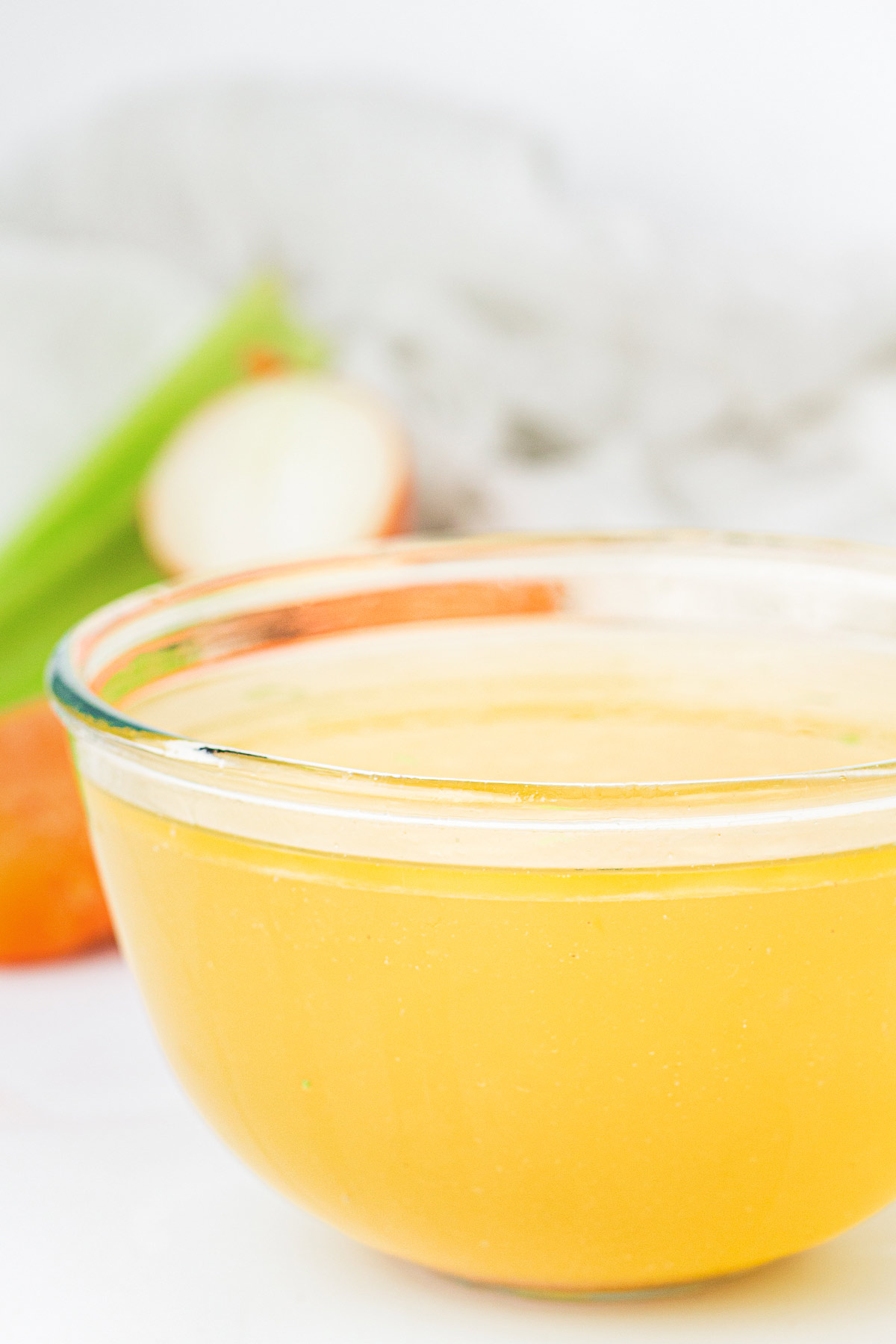
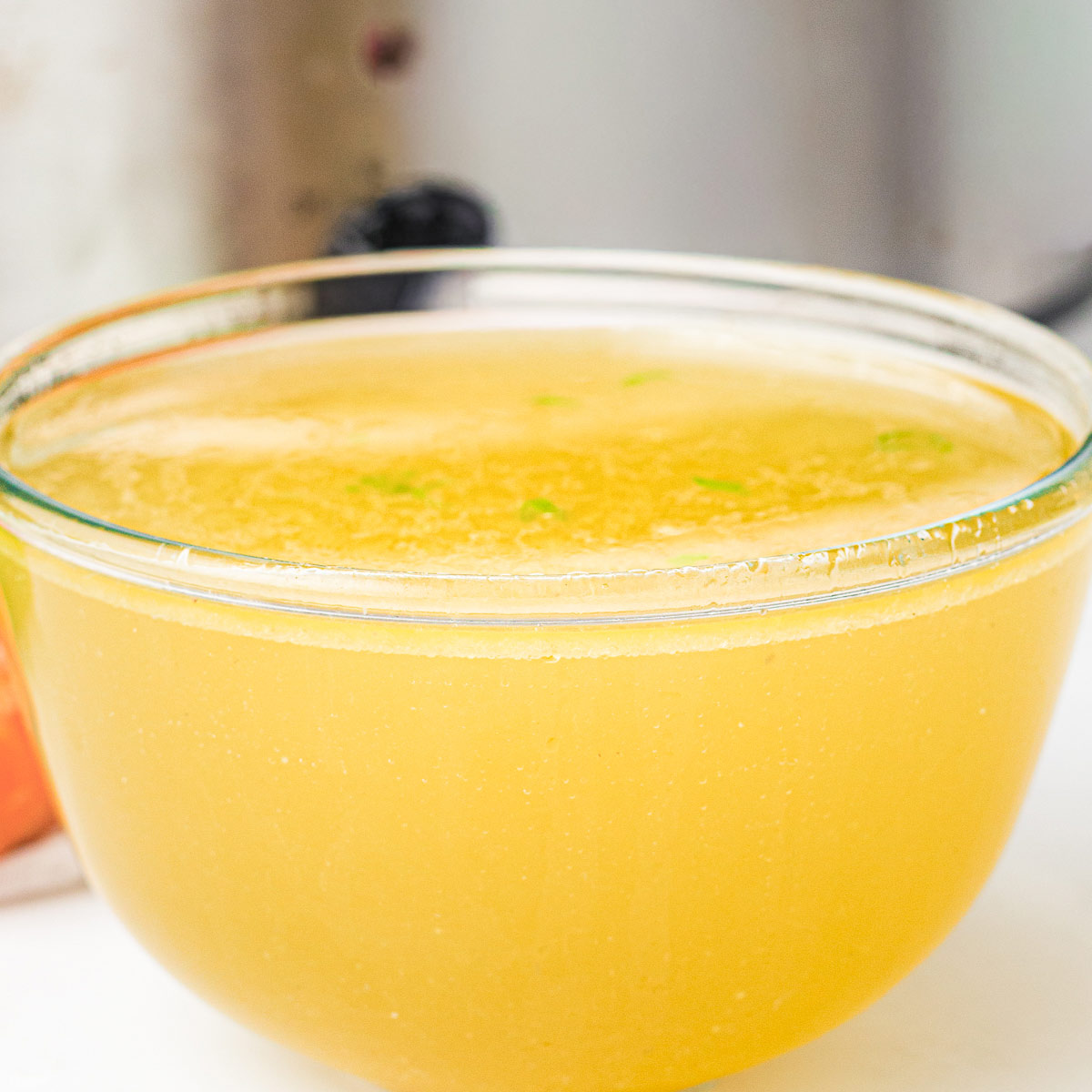
Homemade Chicken Stock is one of those recipes that costs almost nothing, uses up bones you would otherwise throw out, and tastes so much better than anything from a box. A splash of apple cider vinegar and a long, slow simmer pull every bit of flavor and collagen out of the bones, leaving you with a rich, golden stock to freeze in portions for soups, gravies, and sauces all season.
Want to Save This Recipe?
Enter your email and we’ll send the recipe directly to you!
By submitting this form, you consent to receive emails from The Yummy Bowl.
Homemade Chicken Stock Recipe
You only need a handful of ingredients: bones or a leftover carcass, a few aromatics, water, and a splash of vinegar. I am giving you three ways to make it below, the slow cooker for a true hands off, walk away method, or the stovetop or Instant Pot if you want it done faster.

However you cook it, the same ingredients and the same straining step at the end apply.
Ingredients
- Chicken bones or carcass - raw bones or a leftover roasted carcass both work.
- Onion, carrots, celery, garlic - roughly chopped, no need to peel the onion or garlic.
- Apple cider vinegar - just a tablespoon, it helps draw out minerals and collagen.
- Water - enough to cover the bones and vegetables.
- Salt and black pepper - a light base seasoning, you can always add more when you use the stock in a recipe.
Julia's Tip
Do not skip the apple cider vinegar. It is barely noticeable in the finished stock, but it is what pulls the minerals and collagen out of the bones, which is what gives homemade stock its body instead of tasting like plain hot water.
Once you have a batch on hand, it is worth stocking your freezer with other basics too, like my slow cooker shredded chicken for meal prep.
How To Make Chicken Stock - Step By Step Photos
Slow Cooker Method
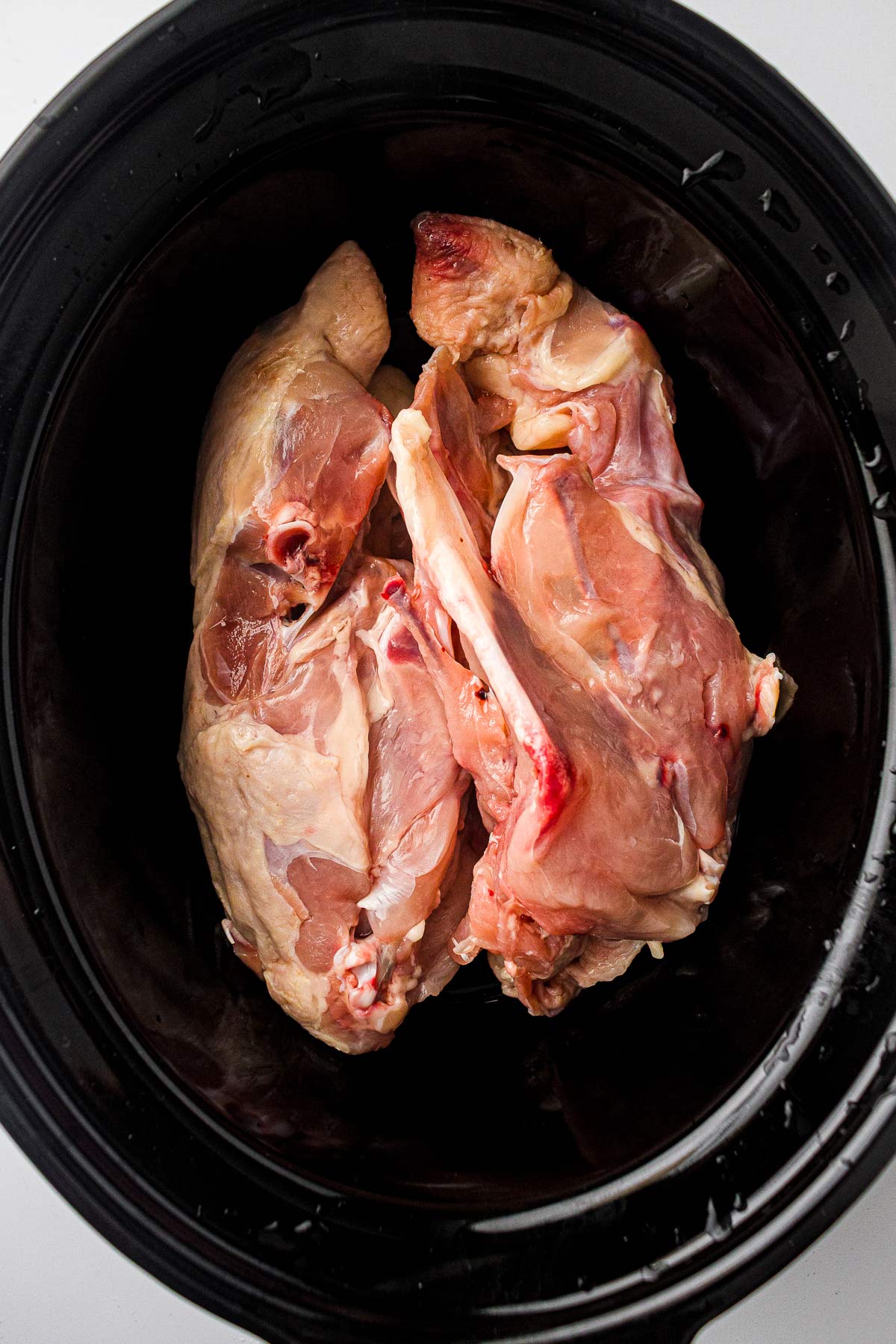
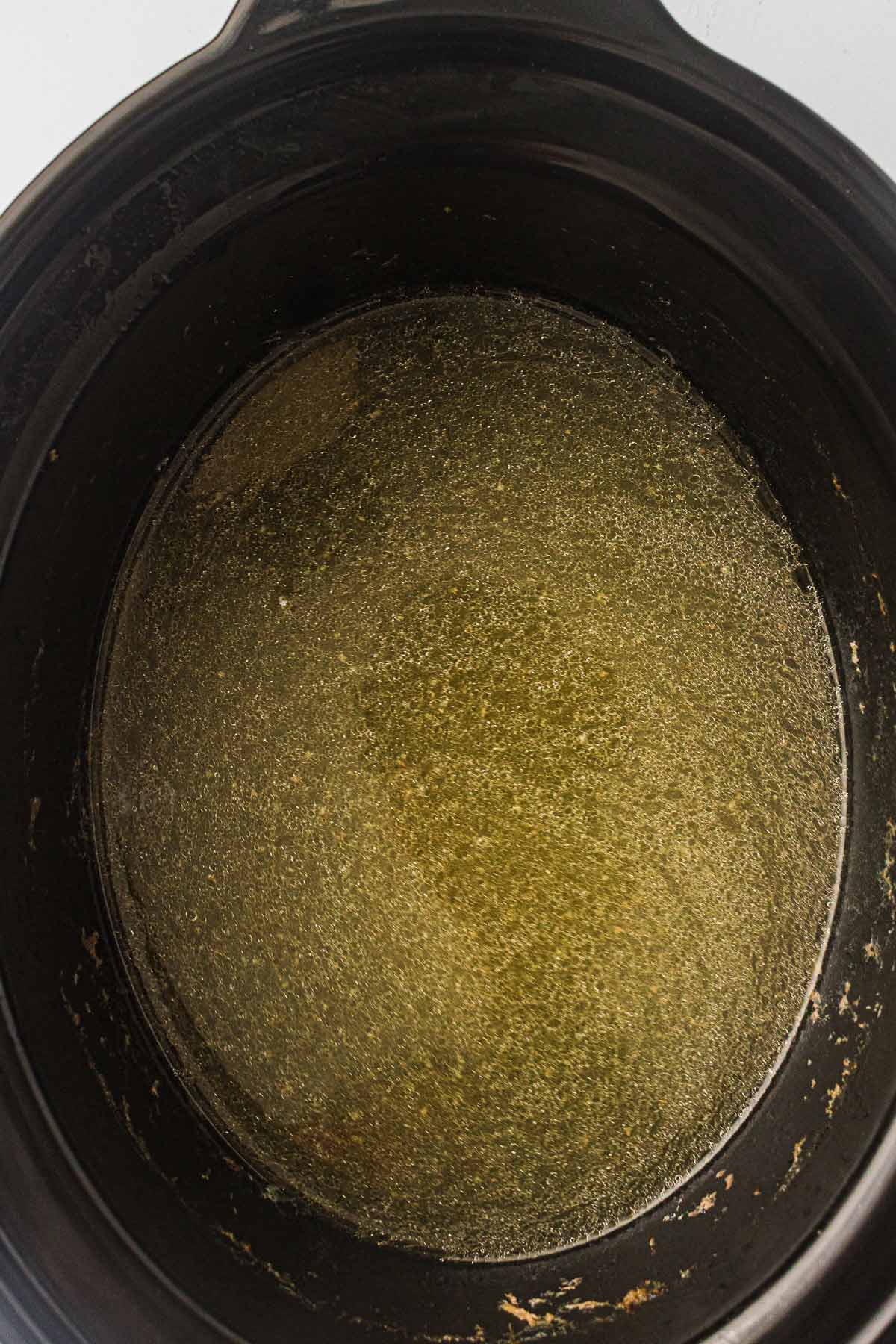
- Place the chicken bones or carcass in the slow cooker, then add the onion, carrots, celery, and garlic.
- Pour in the apple cider vinegar and water, then add the salt and black pepper.
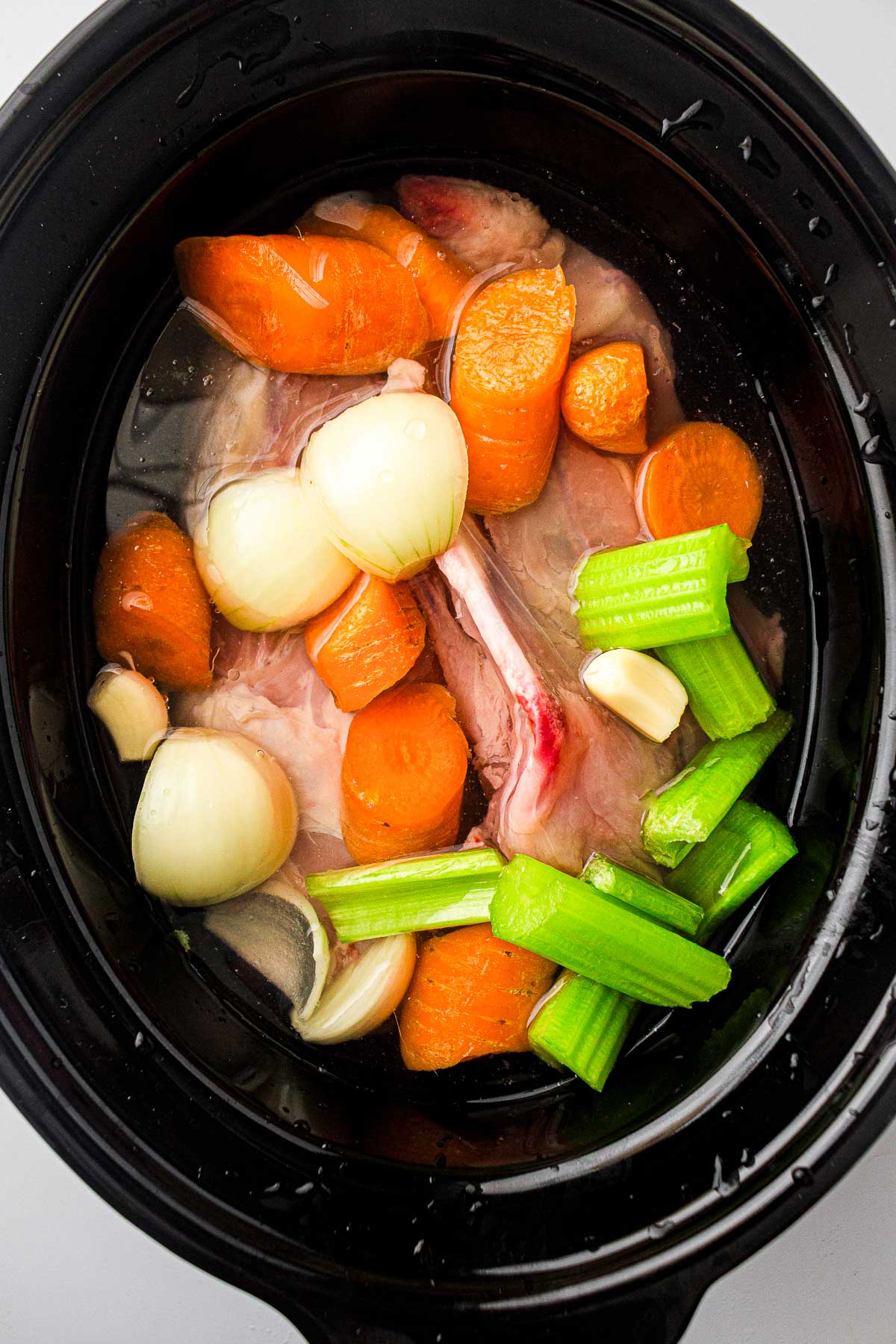
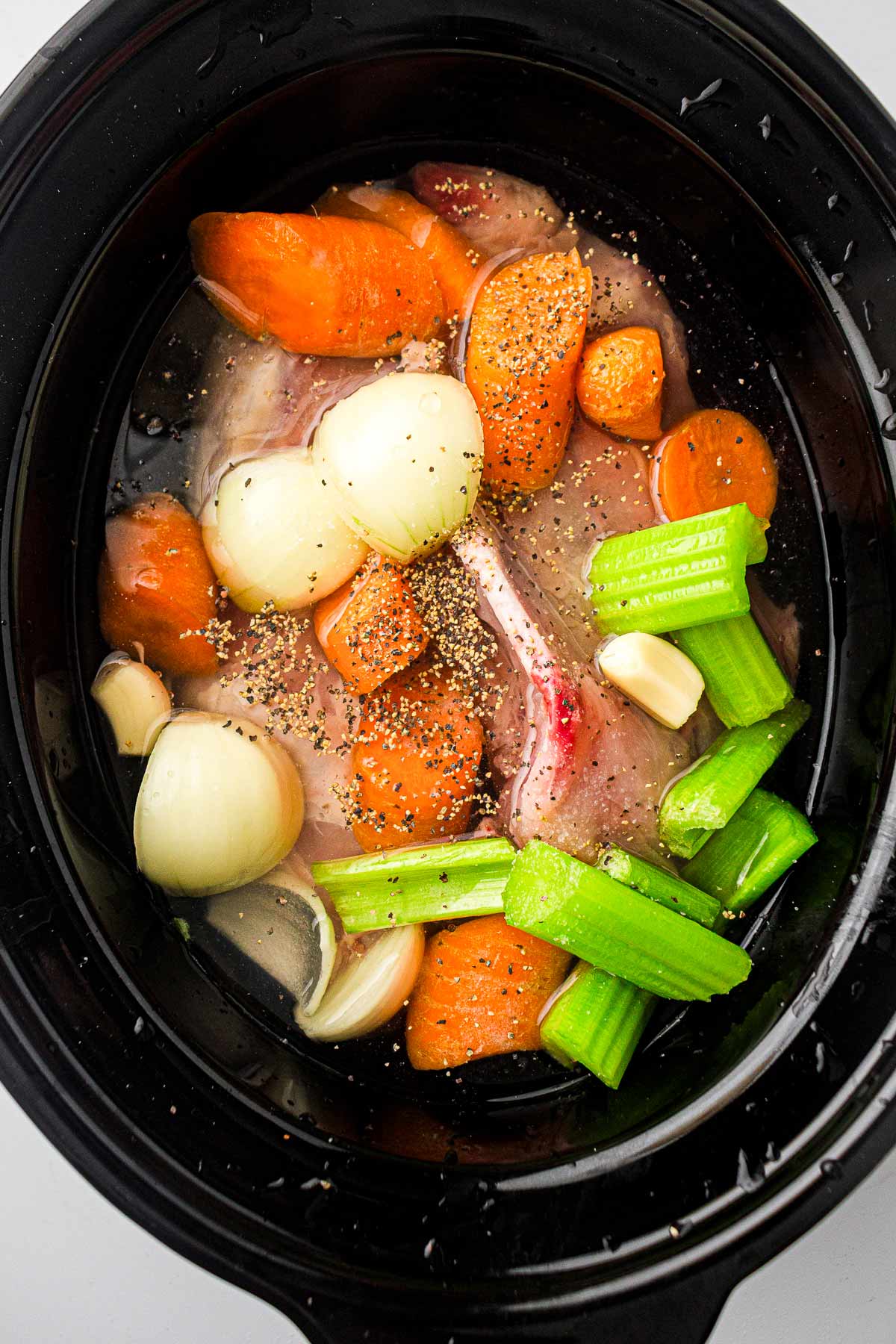
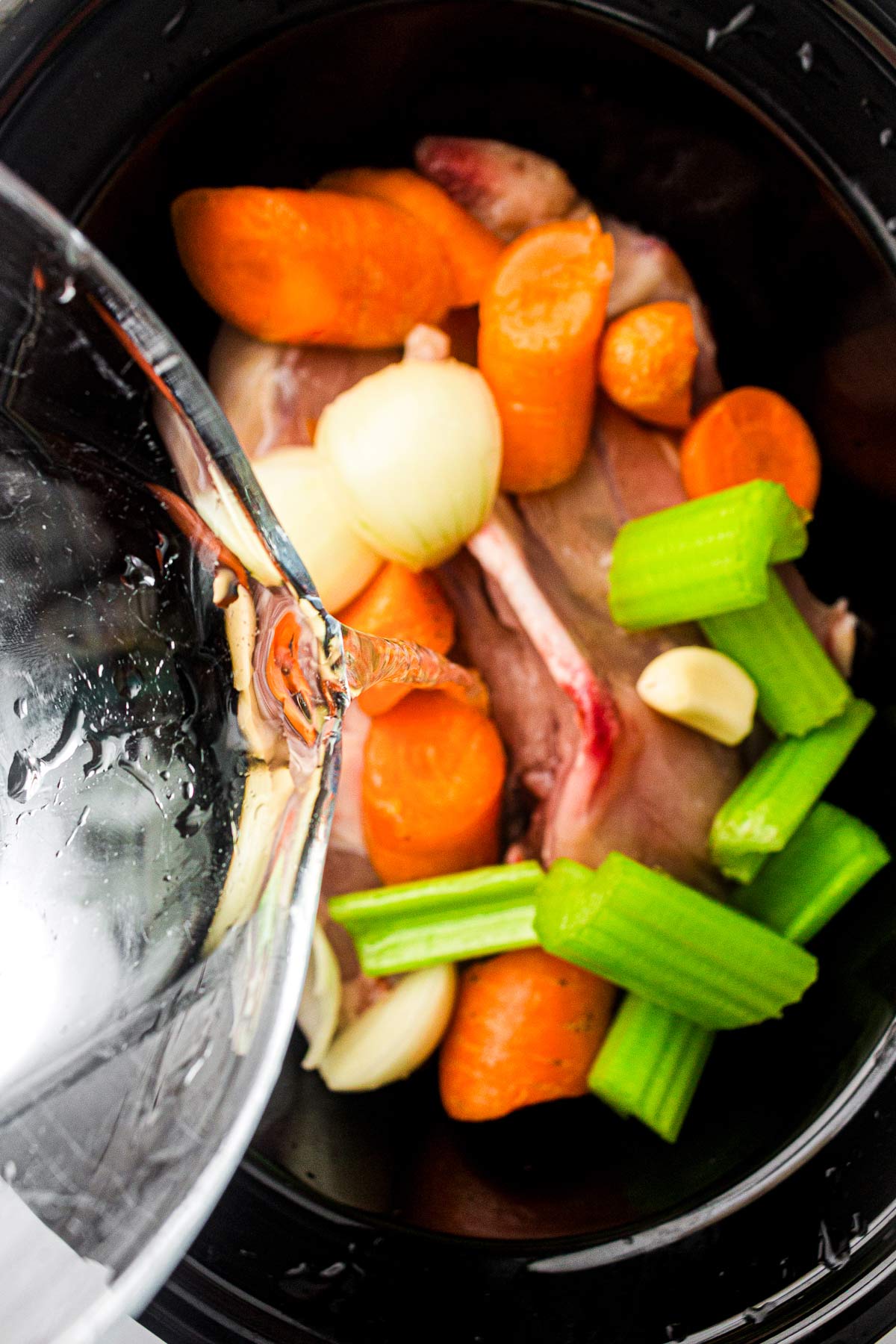
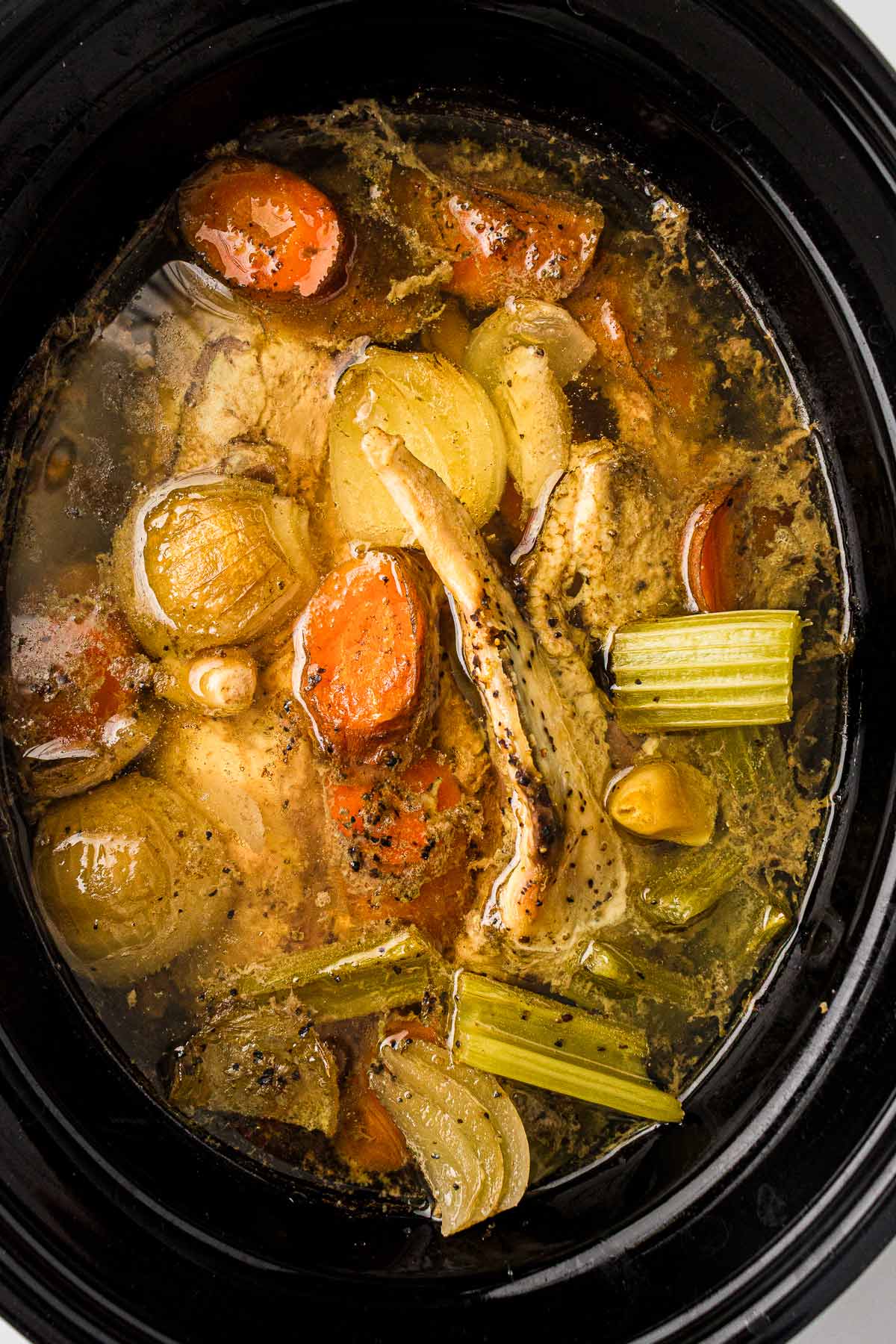
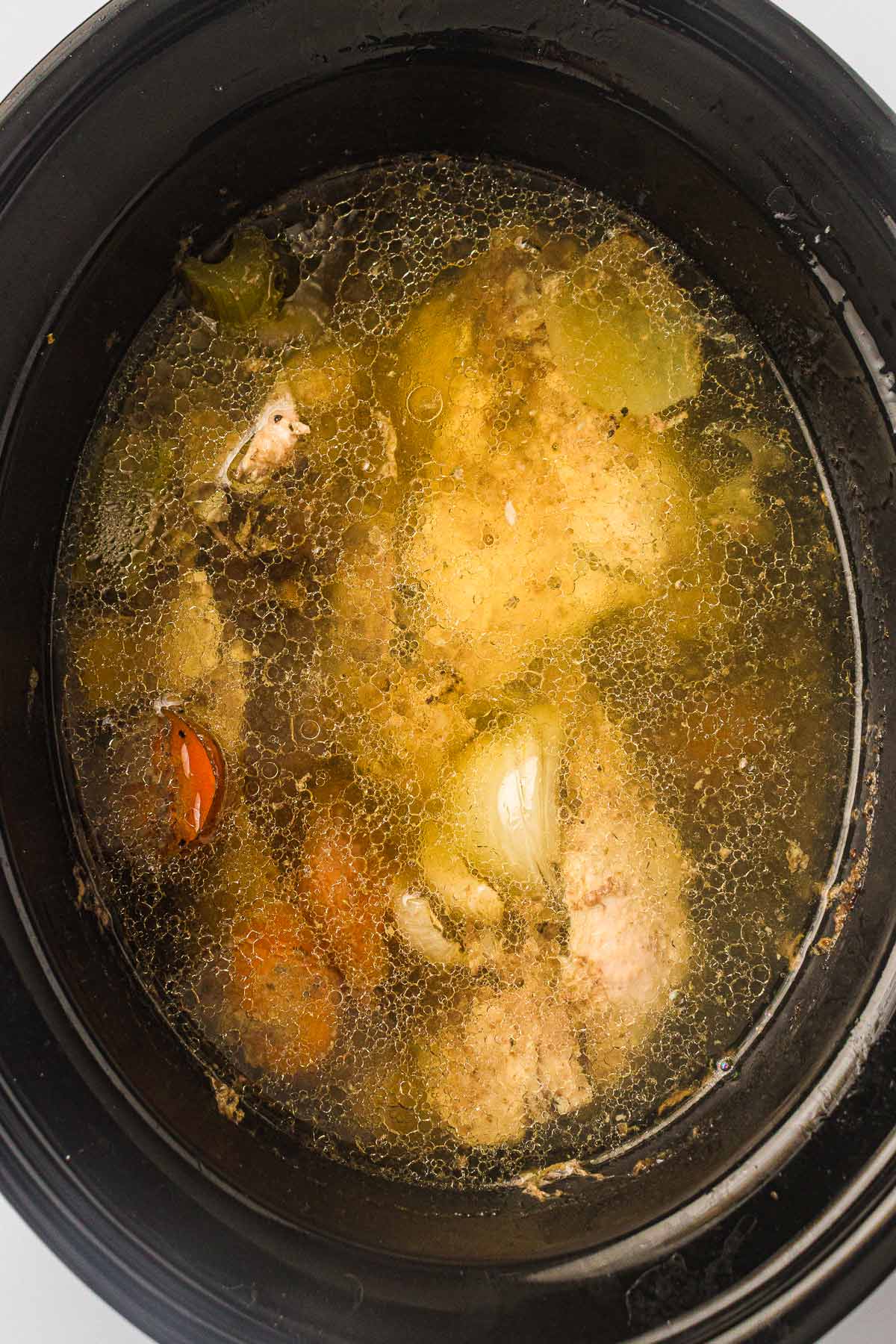
- Cover and cook on LOW for 12 to 18 hours. The longer end of that range gives a richer, more gelatinous stock.
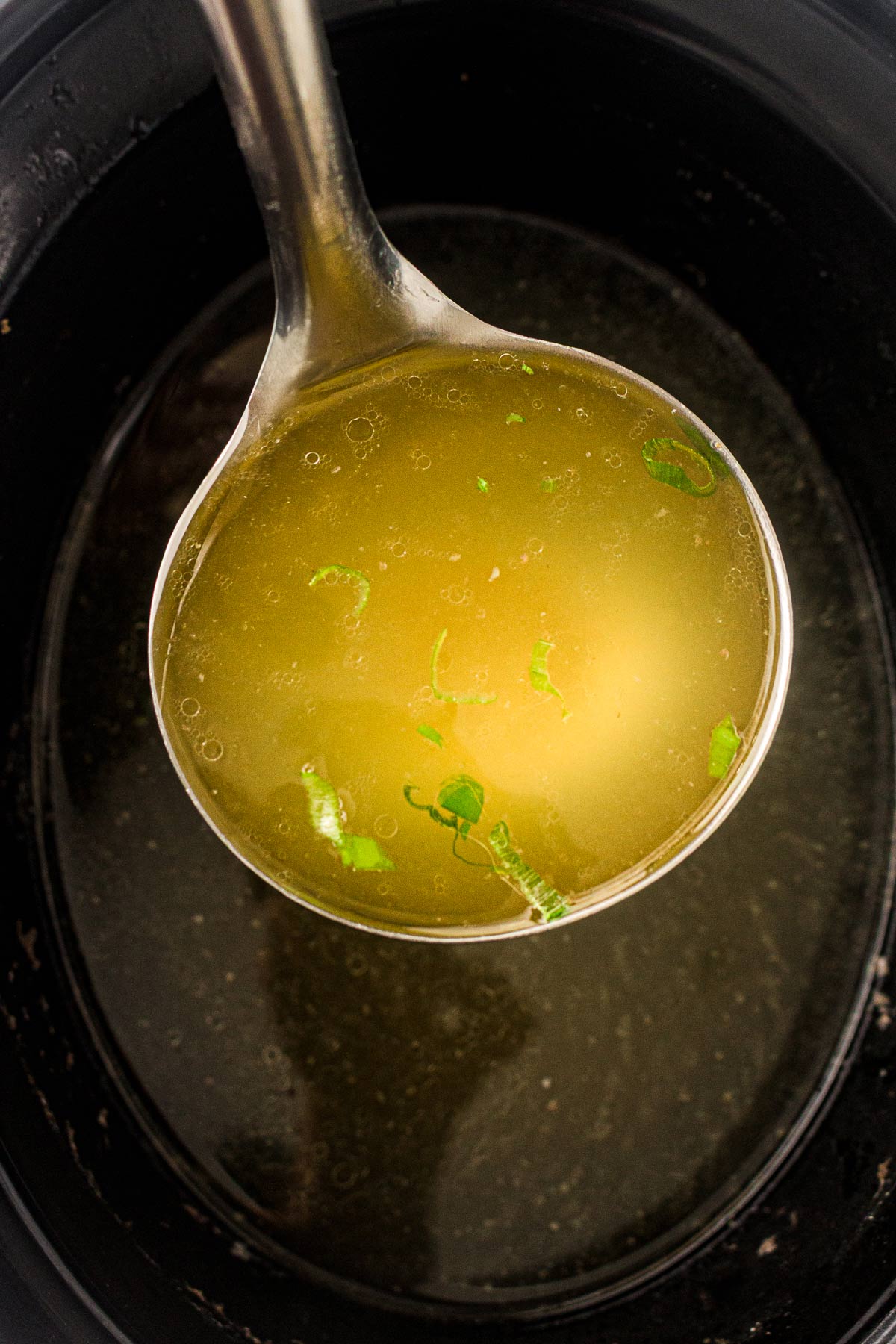
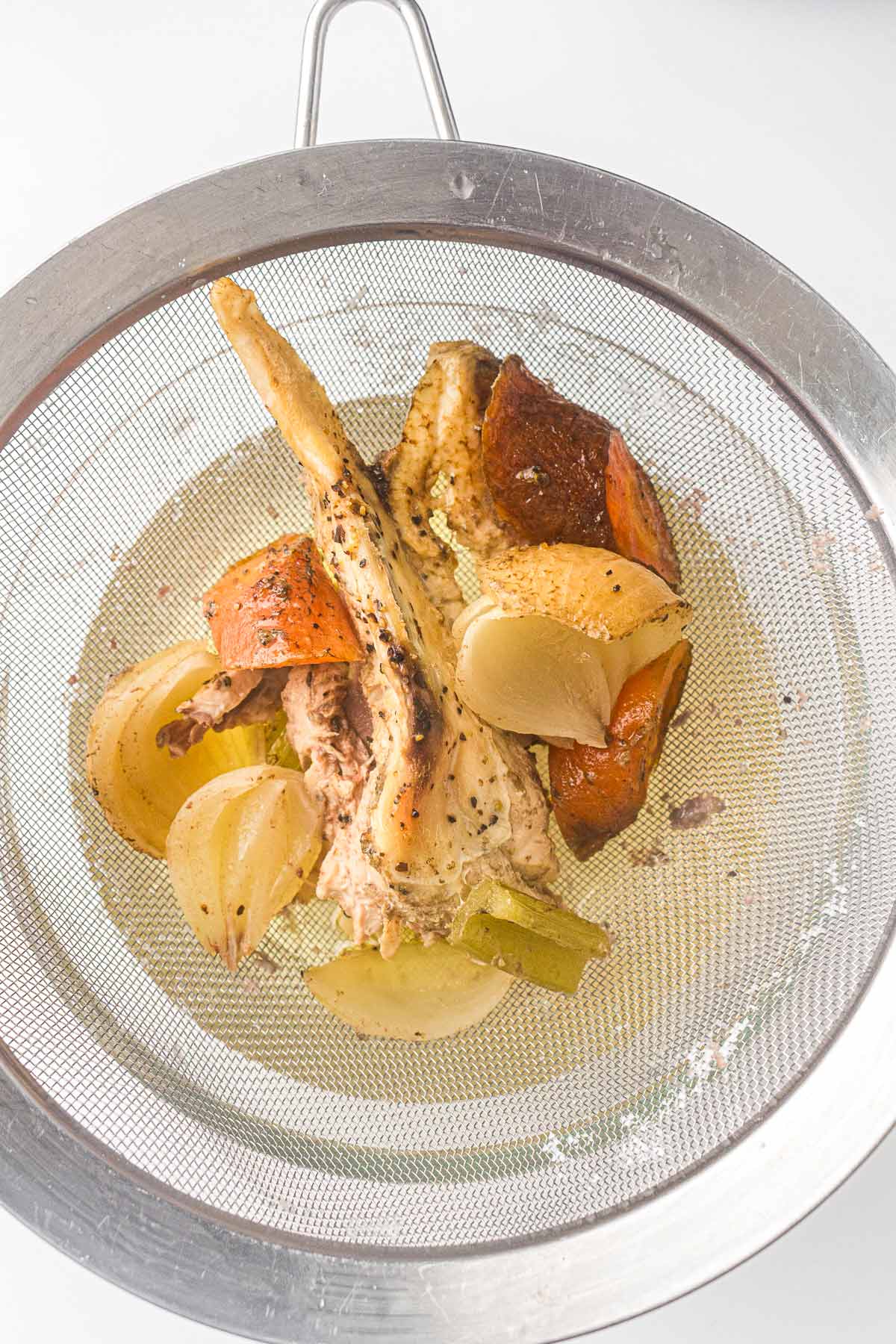
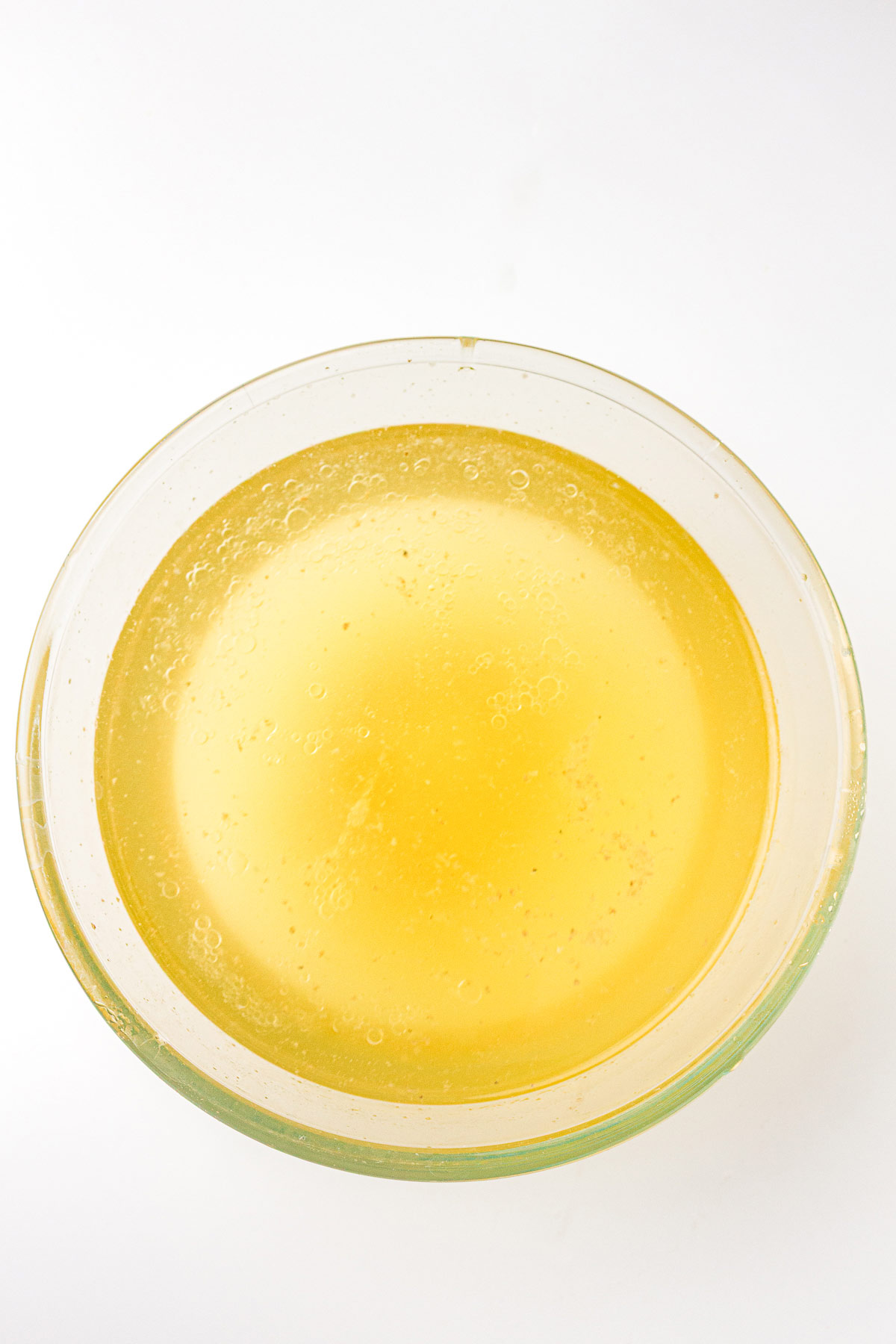
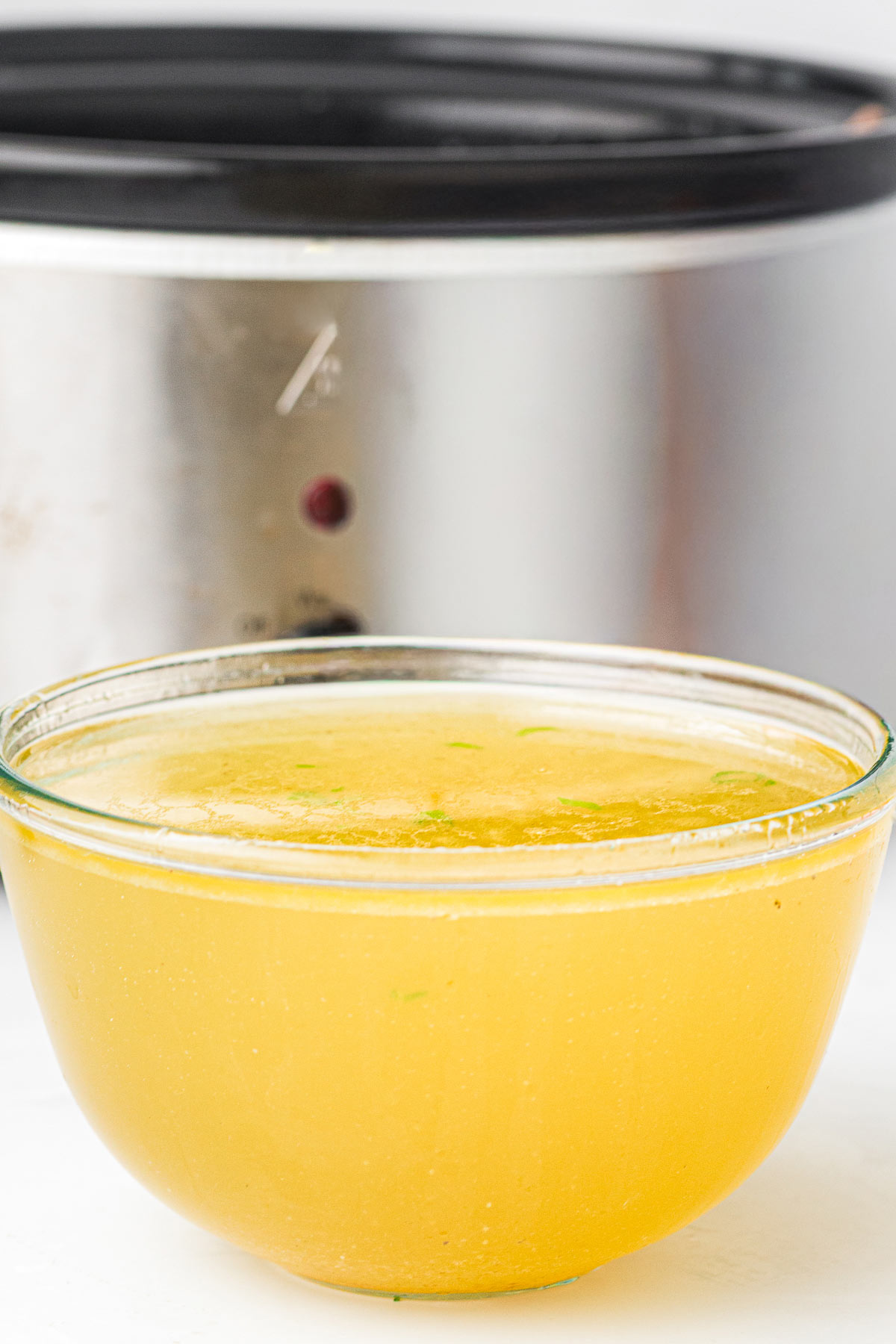
- Strain through a fine mesh sieve, discard the solids, and let the stock cool slightly before storing.
Stovetop Method
- Add the bones or carcass, onion, carrots, celery, and garlic to a large stockpot, then pour in the vinegar and water and add the salt and pepper.
- Bring to a boil over high heat, then immediately drop it down to the lowest simmer.
- Skim off any foam that rises to the top during the first 30 to 45 minutes.
- Partially cover and simmer gently for 4 to 6 hours, topping off with water if it drops below the bones. Strain and cool as above.
Instant Pot Method
- Add the bones or carcass, onion, carrots, celery, and garlic to the Instant Pot insert, then pour in the vinegar and water, keeping everything below the max fill line, and add the salt and pepper.
- Secure the lid, set the valve to sealing, and cook on High Pressure for 45 to 60 minutes.
- Let the pressure release naturally for at least 20 minutes before finishing the release. Strain and cool as above.
If you want to put this stock straight to work, my gluten free turkey gravy is a good place to start.
Ways To Use Your Chicken Stock
- As a base for soups and stews
- To cook rice or grains in for extra flavor
- Stirred into sauces and gravies
- Frozen in portions for whenever a recipe calls for it
Tips
- Use a leftover carcass. A roasted chicken carcass gives a deeper, more savory stock than raw bones alone.
- Do not skip the vinegar. It is what helps pull the collagen and minerals out of the bones.
- Let it go low and slow. Whichever method you use, more time generally means more flavor and more body.
- Skim the fat once it is cold. It lifts off in one solid piece after a night in the fridge.
Variations
- Make it without vegetables. A simple bone stock using just bones, water, and salt works too.
- Add herbs. A few sprigs of thyme, parsley, or a bay leaf added with the vegetables adds another layer of flavor.
- Roast the bones first. Roasting raw bones for 30 minutes before simmering gives a darker, richer stock closer to a broth you would use for French onion soup.
Can I Use Raw Chicken Bones?
Yes. Raw bones or a leftover roasted chicken carcass both work well, you can even mix the two if you are saving up bones over time.
Why Add Apple Cider Vinegar?
The vinegar helps extract minerals and collagen from the bones, which is what gives the stock a richer body instead of tasting thin and watery.
Can I Make This Without Vegetables?
Yes. You can make a simple bone stock using just the bones, water, and salt if that is all you have on hand.
How Do I Remove The Fat From The Stock?
Refrigerate the strained stock first. The fat will solidify in one layer on top and can easily be lifted off and discarded, or saved separately for cooking.
How To Store Chicken Stock
- To Store. Keep in an airtight container in the refrigerator for up to 4 days.
- To Reheat. Warm it in a saucepan over medium heat, or microwave individual portions as needed.
- To Freeze. Freeze in portions for up to 3 months. Flat freezer bags thaw the fastest, or use ice cube trays for small amounts to flavor sauces.
More Kitchen Basics You'll Love




Before You Head Out
If you gave this recipe a try, I'd be so thankful if you could leave a ★★★★★ rating and review below. It helps other readers, supports my work, and means the world to me. Thank you for being part of The Yummy Bowl family. Happy cooking! ❤️
Recipe Card
Homemade Chicken Stock

Method
- Place the chicken bones or carcass in the slow cooker.2 ½ - 3 pounds chicken bones or carcass
- Add the onion, carrots, celery, and garlic.1 onion, 2 carrots, 2 stalks celery, 2 cloves garlic
- Pour in the apple cider vinegar and water.1 tablespoon apple cider vinegar, 8-10 cups water
- Add the salt and black pepper.1 teaspoon salt, ½ teaspoon black pepper
- Cover and cook on LOW for 12 to 18 hours. The longer end of that range gives a richer, more gelatinous stock.
- Strain the stock through a fine mesh sieve and discard the solids.
- Let the stock cool slightly before storing.
- Add the chicken bones or carcass, onion, carrots, celery, and garlic to a large stockpot.2 ½ - 3 pounds chicken bones or carcass, 1 onion, 2 carrots, 2 stalks celery, 2 cloves garlic
- Pour in the apple cider vinegar and water, then add the salt and black pepper.1 tablespoon apple cider vinegar, 8-10 cups water, 1 teaspoon salt, ½ teaspoon black pepper
- Bring to a boil over high heat, then immediately reduce the heat to the lowest simmer.
- Skim off any foam that rises to the surface during the first 30 to 45 minutes.
- Partially cover and simmer gently for 4 to 6 hours, adding a bit more water if it reduces below the bones.
- Strain the stock through a fine mesh sieve and discard the solids.
- Let the stock cool slightly before storing.
- Add the chicken bones or carcass, onion, carrots, celery, and garlic to the Instant Pot insert.2 ½ - 3 pounds chicken bones or carcass, 1 onion, 2 carrots, 2 stalks celery, 2 cloves garlic
- Pour in the apple cider vinegar and water, keeping everything below the max fill line, then add the salt and black pepper.1 tablespoon apple cider vinegar, 8-10 cups water, 1 teaspoon salt, ½ teaspoon black pepper
- Secure the lid, set the valve to sealing, and cook on High Pressure for 45 to 60 minutes.
- Let the pressure release naturally for at least 20 minutes before carefully finishing the release.
- Strain the stock through a fine mesh sieve and discard the solids.
- Let the stock cool slightly before storing.
Notes
- Use leftover bones: a roasted chicken carcass works just as well as raw bones, and gives the stock a deeper, more savory flavor.
- Do not skip the vinegar: apple cider vinegar helps pull minerals and collagen out of the bones, which is what gives homemade stock its rich body.
- Skim the fat once cold: refrigerate the strained stock first, then lift off the solid layer of fat on top before using or freezing it.
- Storage: keep in an airtight container in the fridge for up to 4 days, or freeze for up to 3 months.
Tried this recipe?
Let us know how it was!Note: Nutrition information is estimated and varies based on the products used.
Full Nutrition Disclaimer can be found here.
You'll Also Love
Join TYB
Insider
Get access to exclusive recipes,
weekly meal plans, printable
grocery lists, and AD-FREE
browsing designed to make
mealtime easier.




Comments
No Comments