


If dinnertime in your house feels less like a cozy family moment and more like a nightly obstacle course, you are not alone. Between picky eaters, late practices, homework, tired parents, work emails, toddler meltdowns, and the quiet pressure to serve something healthy that everyone magically loves, dinner can start to feel like one more thing you are failing at.

Disclosure: This post contains affiliate links. If you purchase through one of my links, I may earn a small commission at no extra cost to you. Thank you for supporting my blog!
Here is the permission slip you might need today: family dinner does not have to be elaborate, perfectly balanced, homemade from scratch, or eaten by everyone with cheerful gratitude to count as a win.
Sometimes the win is that everyone ate something. Sometimes the win is that you sat down for 12 minutes. Sometimes the win is frozen pizza with sliced cucumbers on the side. Sometimes the win is takeout eaten together at the kitchen counter because that is what the day had room for.
If you have been wondering how to make family dinner less stressful, the answer is not necessarily a better meal plan, a stricter routine, or more creative recipes. Often it starts with lowering the pressure and deciding what actually matters most in this season of family life.
Want to Save This Recipe?
Enter your email and we’ll send the recipe directly to you!
By submitting this form, you consent to receive emails from The Yummy Bowl.
Family Dinner Is Carrying Too Much Weight

Family dinner has been given a lot of emotional weight. We hear that it is important for connection, routine, nutrition, conversation, and family culture. And yes, dinner can be a wonderful anchor in the day. But when it becomes a nightly performance, it stops feeling like connection and starts feeling like pressure.
Many parents are trying to solve too many problems with one meal. Dinner is expected to be:
- Healthy enough to feel responsible
- Fast enough for busy weeknights
- Affordable enough for the grocery budget
- Flexible enough for different schedules
- Appealing enough for picky eaters
- Interesting enough so nobody complains
- Calm enough to feel like quality family time
That is a lot to ask of a Tuesday night pasta bowl.
The truth is, family dinner does not need to carry the full weight of your family's nutrition, bonding, discipline, and emotional well being every single evening. Some nights are for connection. Some nights are for convenience. Some nights are for using up what is in the fridge. Some nights are simply for getting everyone fed and moving on.
When you let dinner be a normal part of family life instead of a nightly test, it becomes easier to show up with a little more patience and a lot less resentment.
Lower the Bar Before You Change the Menu
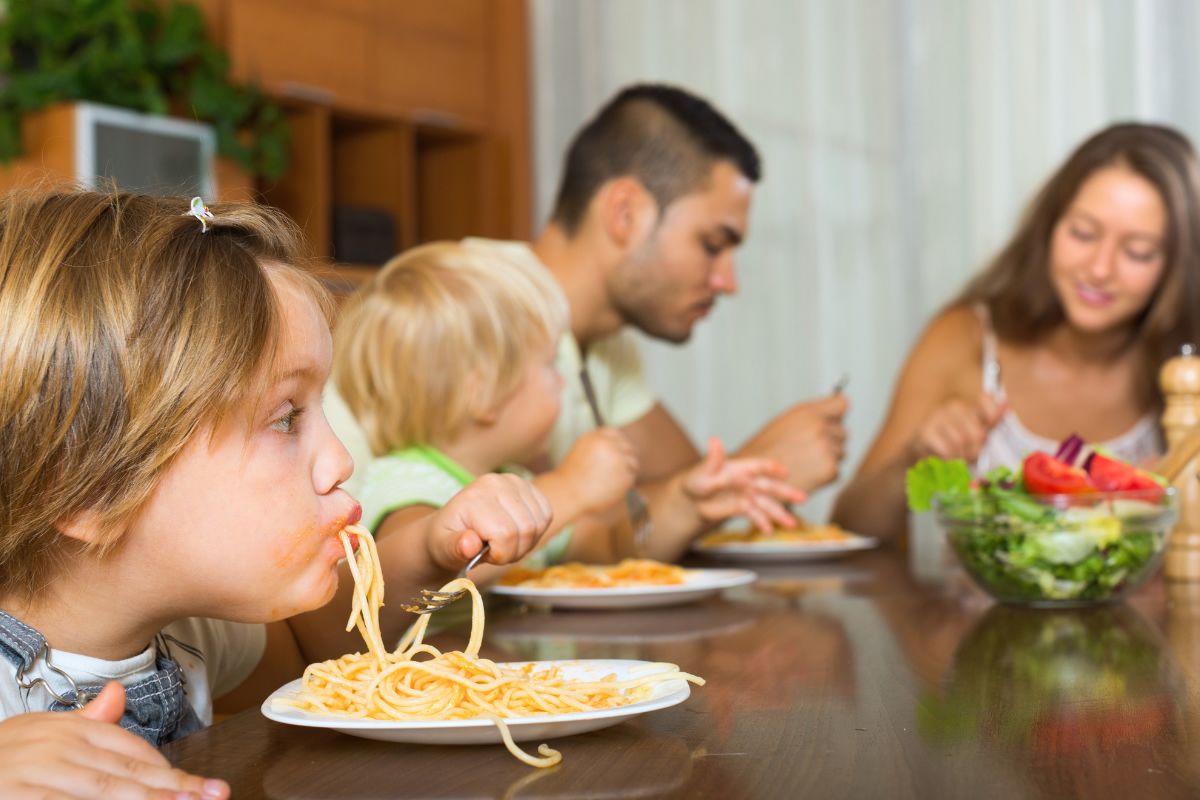
The most important shift is this: stop trying to make one perfect dinner that solves everyone's needs. Aim for a meal that is good enough and gives each person at least one thing they can eat.
This does not mean becoming a short order cook. It means building dinners with a little flexibility so the whole meal does not fall apart when one child refuses sauce, another only wants plain noodles, and your partner is eating later.
Here are a few gentle ways to make dinner feel less stressful without adding more rules to your life:
- Think in components, not perfect meals. Instead of asking what full dinner will everyone love, try asking what protein, carb, fruit or vegetable, and easy add on can I put on the table.
- Keep one safe food available. A safe food is something simple your child usually eats, like bread, rice, fruit, yogurt, cheese, or plain pasta. It can sit alongside the main meal without turning dinner into a battle.
- Repeat meals without guilt. You do not need a brand new dinner every night. If taco bowls, breakfast for dinner, or pasta with rotisserie chicken works, let it work often.
- Use shortcuts proudly. Frozen vegetables, bagged salad, store bought sauces, microwave rice, pre cut fruit, and rotisserie chicken are not failures. They are tools.
- Let dinner be shorter. A meaningful family dinner does not need to last an hour. Ten calm minutes together can be better than 45 tense ones.
- Separate nutrition from perfection. A meal can be nourishing even if it includes boxed mac and cheese. A meal can be balanced over the day or week, not just on one plate.
- Have a backup dinner. Keep two or three emergency options on hand for the nights when the plan falls apart. This alone can reduce so much stress.
A relaxed dinner rhythm is often more sustainable than a beautiful dinner plan that only works when everyone is rested, cheerful, and on schedule. If you want a starting point, my quick dinners you can make in under 30 minutes are the kind of low effort meals that hold up on a hard night.
What Makes Dinnertime Harder Than It Needs to Be

If family dinner feels tense, it does not mean you are doing it wrong. But there are a few common patterns that can accidentally make dinnertime harder than it needs to be.
- Trying to please everyone every night. It is nearly impossible to make one meal that every person loves, especially with young kids or mixed schedules. Aim for something for everyone, not everything for everyone.
- Turning dinner into a nutrition report card. If every bite is monitored, praised, negotiated, or worried over, kids can feel the tension quickly. Sometimes the calmer approach is to serve the food and let the meal be the meal.
- Saving all connection for the dinner table. If dinner is chaotic, connection can happen elsewhere too, during the car ride, bedtime, breakfast, a walk, or while packing lunches together.
- Assuming homemade is always better. Homemade can be lovely, but convenience food can still support a peaceful family rhythm. A calmer parent matters too.
- Expecting toddlers and young kids to sit too long. Some children simply cannot handle long dinners yet. Short and pleasant is better than long and miserable.
- Starting from scratch every night. Even people who enjoy cooking get tired. Batch ingredients, leftovers, and semi homemade meals can make the whole week easier.
- Thinking every dinner needs a vegetable battle. Keep offering vegetables, but you do not have to turn each serving into a negotiation. Exposure counts, even when they do not eat it that night.
One of the kindest shifts you can make is to stop treating dinner complaints as proof that you failed. Kids complain. Schedules change. Appetites vary. That does not mean the meal was a disaster.
A Loose Weekly Rhythm That Actually Sticks

The most helpful dinner systems are usually simple, flexible, and repeatable. They do not require a color coded spreadsheet or a new grocery strategy every week. They work because they reduce the number of decisions you have to make at 5:30 in the afternoon.
One easy approach is to create a loose weekly rhythm. This is not a strict meal plan. It is more like a gentle framework that answers the question, what kind of dinner are we having tonight.
- Monday: Pasta, rice bowls, or leftovers from the weekend
- Tuesday: Tacos, quesadillas, nachos, or burrito bowls
- Wednesday: Breakfast for dinner or sandwiches with fruit
- Thursday: Slow cooker, sheet pan, or freezer meal
- Friday: Pizza, takeout, or snack plates
This kind of rhythm gives you structure without locking you into exact meals. Taco night can be ground beef, beans, rotisserie chicken, or just cheese quesadillas, and my easy Mexican recipes have plenty of low effort options. My turkey taco skillet and one pot cheesy taco pasta are two easy places to start. Breakfast for dinner can be eggs, waffles, yogurt bowls, or anything from my easy breakfast recipes, like my spinach cottage cheese egg bake or cherry cottage cheese French toast. The point is to make the decision smaller.
Thursday is where the hands off dinners shine. Browse my fall slow cooker recipes, make a batch of slow cooker shredded chicken to use all week, or put Greek sheet pan chicken thighs with vegetables in the oven and walk away.
If deciding the rhythm still feels like work, borrow one. My 5 day kid friendly meal plan and my lazy week meal plan of no stress dinners are both built around this idea, so you can follow one for a week and see what your family actually eats.
Another thing that works well for many families is serving meals family style or deconstructed. This is especially helpful for picky eaters because it gives children a little control without requiring you to cook separate dinners.
For example:
- Serve pasta with sauce on the side
- Put taco meat and fillings in separate bowls
- Offer salad ingredients separately instead of tossed together
- Make rice bowls with toppings people can choose
- Serve soup with bread, cheese, fruit, or crackers alongside it
Deconstructed meals can feel less fancy, but they are often more peaceful. A child might not eat a full chicken taco, but they may eat the tortilla, avocado, shredded cheese, and a few bites of chicken separately. That still counts.
It also helps to decide what you will not argue about at dinner. Maybe you choose not to argue about how many bites they take. Maybe you choose not to argue about mixed foods. Maybe you choose not to argue about whether someone eats the broccoli tonight. Boundaries can still exist, but not every preference needs to become a standoff.
A simple phrase like, this is what we are having and you can choose what you would like from the table, can be enough. Calm repetition is usually more effective than a long dinner lecture.
Small Upgrades for the Nights You Have Energy
If you want family dinner to feel a little easier or more enjoyable, small upgrades can help. These are not requirements. Think of them as options you can use when you have the energy and ignore when you do not.
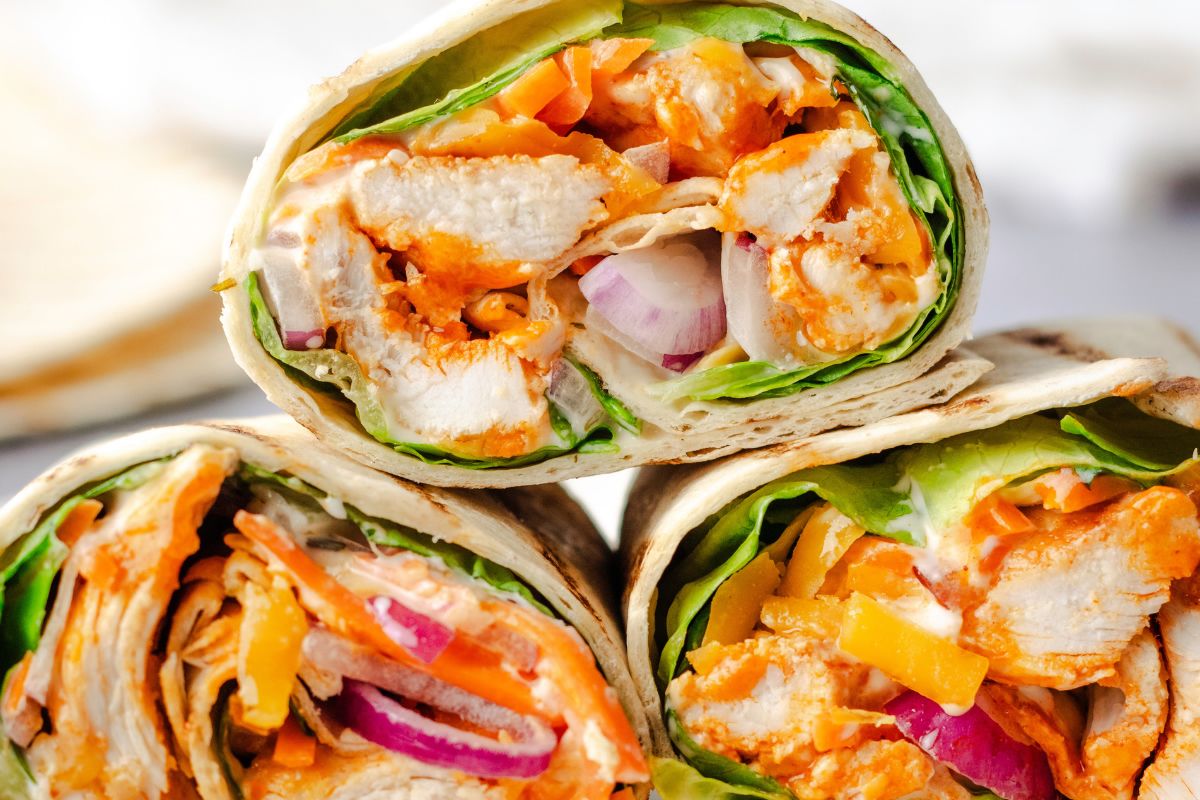
- Create a no cook dinner list. Include ideas like snack plates, sandwiches, hummus and pita, yogurt parfaits, rotisserie chicken wraps, tuna melts, or cheese and crackers with fruit.
- Use a dinner formula. Try protein plus carb plus produce plus a sauce or dip. For example chicken, rice, cucumbers, and ranch, or beans, tortillas, avocado, and salsa.
- Make one part homemade. If the main dish is frozen, add fresh fruit. If the soup is canned, add toast or a quick salad. You do not need to make every part from scratch.
- Put a yes food on the table. Bread, fruit, rice, or yogurt can make the meal feel less stressful for a hesitant eater.
- Let kids assemble something. Wraps, bowls, mini pizzas, tacos, and baked potatoes give kids a sense of control without requiring extra cooking.
- Use theme nights lightly. Taco Tuesday, pasta night, breakfast for dinner, or pizza Friday can make the week feel more predictable.
- Serve dinner earlier or later when needed. Family dinner does not have to happen at the same time every night. Some seasons require split dinners, snack dinners, or a second sitting.
- Make the table easier to clear. Use dishwasher safe serving pieces, paper plates on especially hard nights, or a simple tray style dinner if that helps.
One of my favorite low pressure upgrades is the add on plate. It is just a small plate of easy extras in the middle of the table: sliced fruit, baby carrots, crackers, cheese cubes, pickles, or cucumber rounds. It makes dinner feel fuller without requiring another recipe.
Another helpful variation is the two night meal. Cook once, then reuse the ingredients differently the next night. Roasted chicken can become wraps. Rice can become fried rice. Taco meat can become nachos. Pasta can become a quick pasta bake. My cook once, eat twice meal plan is built entirely around this trick if you want it mapped out for a week.
Tools That Take the Scramble Out of Dinner
You do not need a kitchen full of gadgets to make dinner easier, but a few practical tools can reduce the nightly scramble.
- A short list of emergency meals. Keep it on your phone or inside a cabinet. These are meals you can make when you are tired, late, or completely out of ideas.
- A freezer backup. Frozen dumplings, pizza, meatballs, vegetables, waffles, soup, or cooked rice can save a difficult night.
- A family favorites list. Write down the meals your family reliably eats. When you are too tired to think, choose from that list.
- Divided plates or small bowls. These can help with kids who dislike foods touching, without turning it into a big issue.
- Sheet pans. Great for simple dinners with protein, potatoes, vegetables, or frozen items all cooked together.
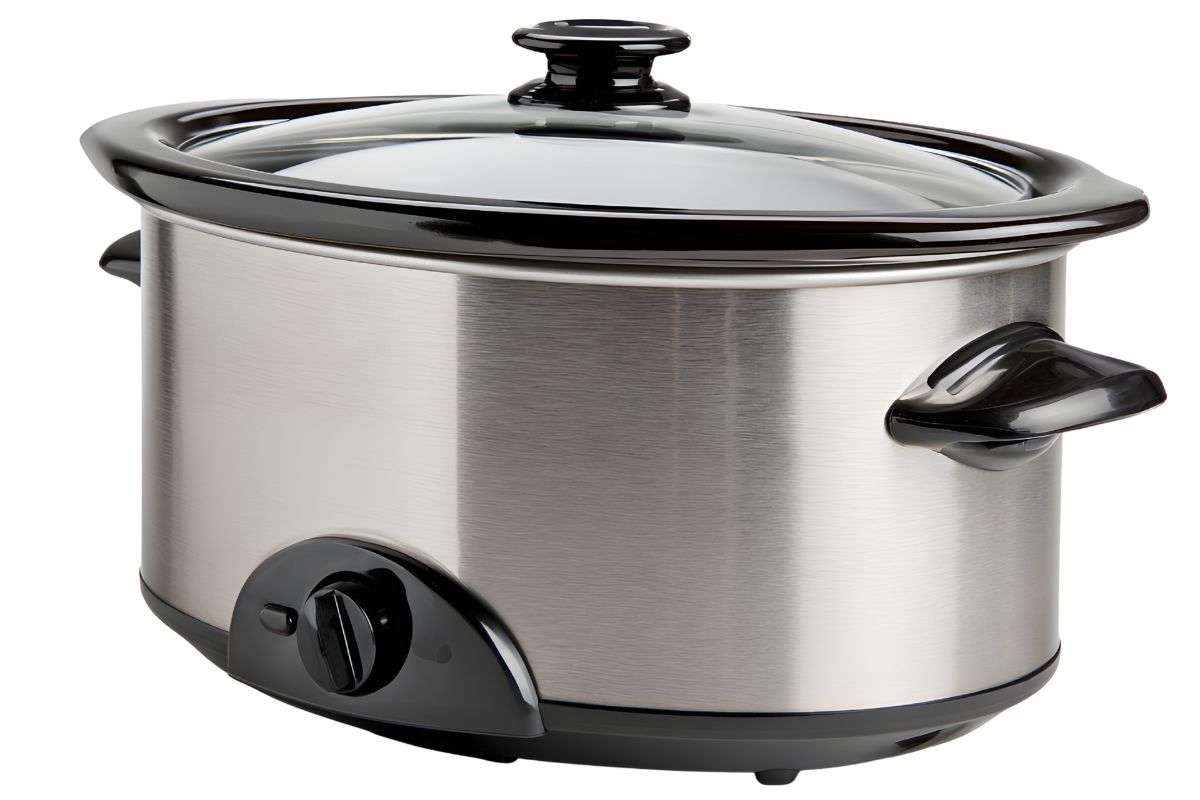
- A slow cooker or pressure cooker. Helpful for busy afternoons when dinner needs to be ready without much hands on work.
- Pantry staples. Pasta, rice, tortillas, canned beans, tuna, broth, jarred sauce, oats, and crackers can become quick meals.
It can also help to keep a few permission meals in your back pocket. These are the dinners you allow yourself to serve without guilt because they keep the evening moving.
- Scrambled eggs, toast, and fruit
- Grilled cheese and tomato soup
- Frozen pizza with a bagged salad
- Chicken nuggets, peas, and applesauce
- Quesadillas with salsa and avocado
- Pasta with butter, parmesan, and cucumbers
- Snack plates with cheese, crackers, fruit, and yogurt
These meals may not look like magazine dinners, but they can absolutely be family dinners. The goal is not to impress anyone. The goal is to feed your people in a way that leaves room for a little peace.
Family Dinner Questions
How do I make family dinner less stressful with picky eaters?
Start by reducing the pressure at the table. Offer the meal with at least one familiar food your child usually accepts, and avoid turning every bite into a negotiation. Deconstructed meals can help because kids can choose from the parts of the meal without needing a separate dinner.
Does family dinner still count if we eat takeout?
Yes. Family dinner is not defined by whether you cooked everything yourself. If you are eating together, checking in, or simply sharing a few calm minutes, it counts. Takeout can be part of a healthy family rhythm.
What if everyone has a different schedule?
Family dinner does not have to mean every person sits down at the same time every night. You might have an early kid dinner, a later parent dinner, or one or two nights a week when everyone overlaps. Connection can happen in smaller pockets.
Do I need to make a separate meal for my picky child?
Usually no. A helpful middle ground is to include one safe food with the meal rather than cooking a completely separate dinner. For example, if you are serving chili, you might also serve bread, cheese, fruit, or plain rice.
How can I stop feeling guilty about easy dinners?
Remember that easy does not mean careless. Feeding a family requires time, energy, money, planning, and emotional labor. Shortcuts help make that sustainable. A simple dinner served by a less stressed parent is often better for the whole family than a perfect meal served with exhaustion.
What should I do when kids complain about dinner?
Try not to take it personally. A calm response such as, you do not have to love it but this is what we are having, can keep the meal from becoming a debate. You can also remind them to choose what they would like from what is offered.
Is it okay if dinner is not perfectly balanced every night?
Absolutely. Nutrition balances out over time. Some nights are heavier on carbs, some nights include more vegetables, and some nights are just survival meals. Looking at the overall week is usually more realistic than judging one plate.
How long should family dinner be?
There is no perfect length. For some families, 10 to 15 minutes is realistic and meaningful. Young children especially may not be able to sit happily for long meals. A short, calm dinner is still valuable.
The Short Version
- Family dinner does not have to be homemade, elaborate, or perfectly balanced to matter.
- The best way to learn how to make family dinner less stressful is to lower the pressure and simplify the expectations.
- Include at least one familiar food so picky eaters have something they can comfortably eat.
- Use shortcuts like frozen foods, rotisserie chicken, bagged salad, jarred sauces, and leftovers without guilt.
- Deconstructed and build your own dinners give kids a sense of control without a second dinner.
- A loose weekly rhythm beats a strict meal plan because it makes fewer decisions for you.
- Connection is the point, and it can happen in 10 calm minutes just as well as an hour.
More Cooking Tips


Before You Go
If you found this post helpful, I'd love to hear from you! Leave a comment below and let me know your thoughts, questions, or experiences. Your feedback helps me create content that truly serves this wonderful community. ❤️
Join TYB
Insider
Get access to exclusive recipes,
weekly meal plans, printable
grocery lists, and AD-FREE
browsing designed to make
mealtime easier.





Comments
No Comments