


I used to think washing produce properly meant some whole production - special sprays, soaking, the works. It doesn't. A quick rinse under the tap and a good rub with your hands covers almost everything that comes through my kitchen, whether it's from the grocery store, the farmers market, or my own garden.
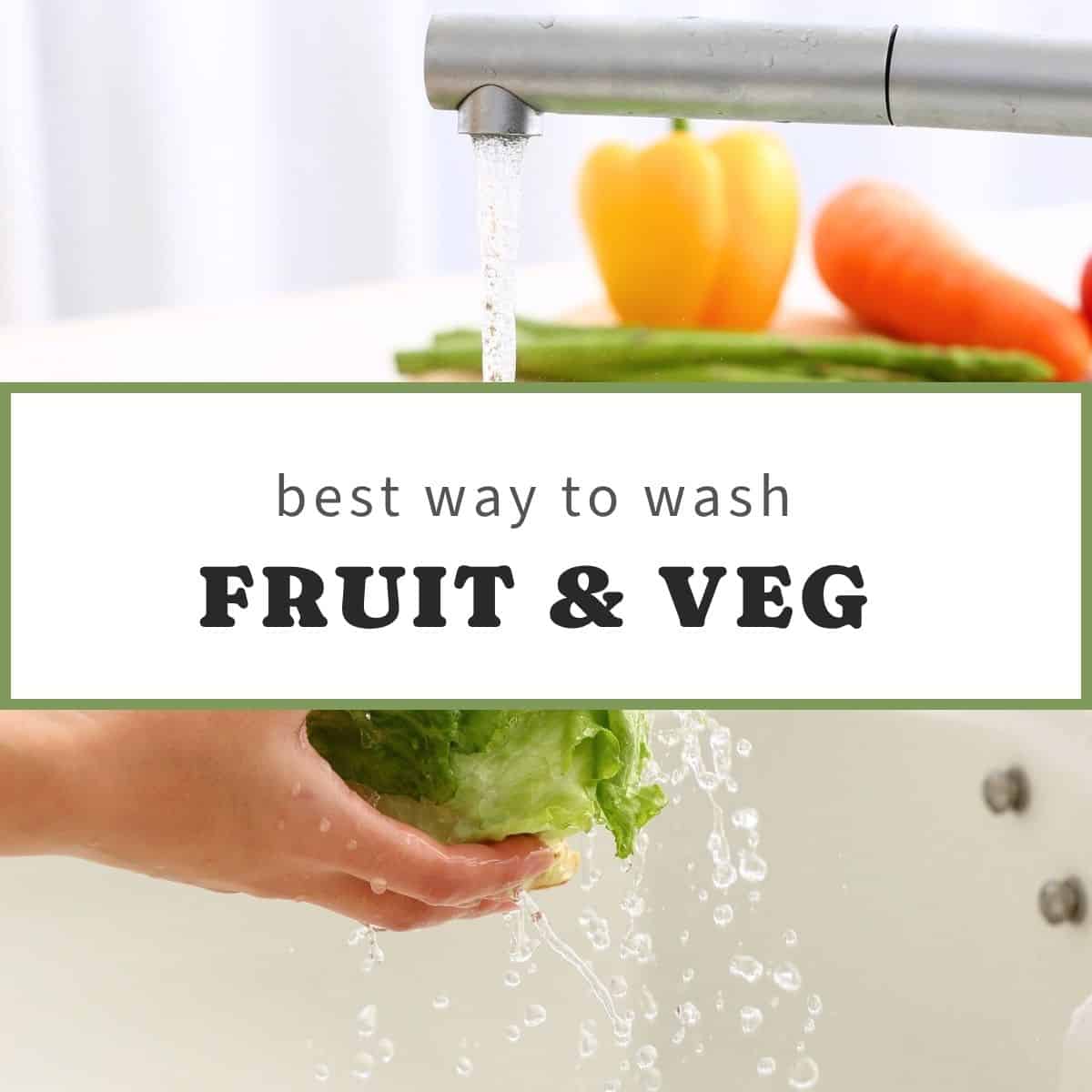
And no, you don't need to spend money on produce wash. Plain water does the job just as well, if not better.

Want to Save This Recipe?
Enter your email and we’ll send the recipe directly to you!
By submitting this form, you consent to receive emails from The Yummy Bowl.
Do You Really Need to Wash Fruits and Vegetables?
Yes, every time, even if it looks spotless. Produce picks up more than you'd guess just from where it's been:
- Dirt and dust
- Bacteria from handling and transport
- The occasional small insect
- Some pesticide residue
Washing won't get rid of everything, but it knocks out most of it, and that's really all I'm going for.
The Best Way to Wash Fruits and Vegetables
For most fruits and vegetables, simply rinse them under cool running water while gently rubbing the surface with your hands.
That's it.
There's no need for soap, dish detergent, bleach, or commercial produce washes. These products aren't recommended because they can leave residues behind and haven't been shown to be more effective than water for everyday use.
Step-by-Step
- Wash your hands with soap and water before handling produce.
- Rinse fruits and vegetables under cool running water.
- Gently rub firm produce with your hands.
- Use a clean vegetable brush for potatoes, carrots, and other root vegetables.
- Dry with a clean towel or paper towel if desired.
How to Wash Different Types of Produce
Leafy Greens
Lettuce, spinach, kale, Swiss chard, and cabbage can trap dirt between their leaves.
The best method:
- Remove damaged outer leaves.
- Separate the leaves.
- Soak in a large bowl of cold water for 2-5 minutes.
- Swish gently to loosen dirt.
- Lift the leaves out of the water.
- Rinse under running water.
- Dry in a salad spinner or with a clean kitchen towel.
Berries
Berries are delicate, so avoid soaking them for long periods.
Instead:
- Rinse gently under cool running water.
- Pat dry with paper towels.
- Wash only right before eating to help prevent mold.
Apples, Cucumbers, Peppers, and Tomatoes
Rinse under running water while rubbing the surface with your hands.
For waxy fruits like apples, a little extra rubbing helps remove surface residue.
Root Vegetables
Potatoes, carrots, beets, sweet potatoes, and radishes should be scrubbed with a clean vegetable brush while rinsing under running water.
Even if you peel them, washing first helps prevent dirt and bacteria from transferring from the skin to the inside when cutting.
Grapes
Leave grapes attached to the stem until you're ready to eat them.
Place them in a colander and rinse thoroughly under cool running water.
Citrus Fruits
Always wash oranges, lemons, limes, and grapefruit before slicing.
Even though you don't eat the peel, your knife can carry bacteria from the outside into the fruit.
Does Vinegar Clean Fruits and Vegetables Better?
A vinegar soak can knock down a bit more surface bacteria and mold, but I don't bother with it day to day - plain water covers me fine. If you want to try it anyway:
- Mix 1 part white vinegar with 3 parts water.
- Soak produce for 5-10 minutes.
- Rinse thoroughly afterward.
I do however, reach for this one specifically with berries and grapes.
Does Baking Soda Remove Pesticides?
There's some real evidence that a baking soda soak strips a bit more surface pesticide residue than water alone. It's the one extra step I'd actually consider worth it, if you're going to do any of them.
- 1 teaspoon baking soda
- 2 cups water
Soak firm produce - apples, cucumbers, peppers - for 10-15 minutes, then rinse well.
Just know it's only working on what's sitting on the surface. Anything the plant actually absorbed isn't going anywhere.

Unlock exclusive recipes, meal plans & ad-free browsing!
Should You Use Soap or Produce Wash?
No. Don't reach for:
- Dish soap
- Hand soap
- Bleach
- Household cleaners
None of it's made for food, and it can leave behind exactly the kind of residue you're trying to wash off in the first place. And honestly, I've never seen a produce wash outperform plain water - save your money.uce better than running water.
Organic vs. Conventional Produce
Wash both, always. Organic doesn't mean it skipped the field, the truck, or a dozen hands along the way - it can still carry dirt, bacteria, insects, or the pesticides that are approved for organic farming.
Common Mistakes to Avoid
- Washing produce with soap
- Washing berries before storing them
- Skipping washing because you'll peel the fruit later
- Using dirty kitchen towels or brushes
- Forgetting to wash your hands first
Frequently Asked Questions
If it says pre-washed or triple-washed, I trust it and skip the rinse. You can give it a quick rinse anyway if it makes you feel better, it won't hurt.
No. It knocks a good chunk off the surface, but it's not a full reset.
Not for everyday use, no. Water and a good rub gets you most of the way there.
Yes, don't skip it. It's an easy step people forget, and it actually helps lift off whatever the rinse loosened.
Key Takeaways
- A simple routine you'll actually stick with beats a perfect one you won't.
- Washing produce properly doesn't have to be complicated.
- Cool water, a good rub, and drying it off is enough for almost everything.
- Grab a brush for anything firm - potatoes, carrots, cucumbers, melons.
- Skip the soap, dish detergent, and bleach. None of it belongs on food.
- Wash before you cut or peel, even if you're not eating the skin.
- Wash delicate stuff like berries and mushrooms right before eating.
- Don't rewash bags labeled pre-washed or triple-washed.
That's really it. No special sprays, no elaborate ritual, just water, your hands, and a towel doing most of the work. Give it a try next time you're at the sink and you'll probably wonder why you ever thought it needed to be more complicated than that.
Final Thoughts
The simplest method really is the one I stick with: cool water, a good rub, a brush for anything firm, and berries washed right before you eat them. That's the whole system.
Takes an extra minute, and it's genuinely all you need.
More Kitchen Tips
- 7 Heavy Cream Substitutes for Cooking
- 19 Edible Christmas Gifts from the Kitchen
- 17 Easy Christmas Appetizers
- 11 Christmas Dinner Ideas (Not the Usual)



Before You Go
If you found this post helpful, I'd love to hear from you! Leave a comment below and let me know your thoughts, questions, or experiences. Your feedback helps me create content that truly serves this wonderful community. ❤️
Join TYB
Insider
Get access to exclusive recipes,
weekly meal plans, printable
grocery lists, and AD-FREE
browsing designed to make
mealtime easier.






Comments
No Comments