
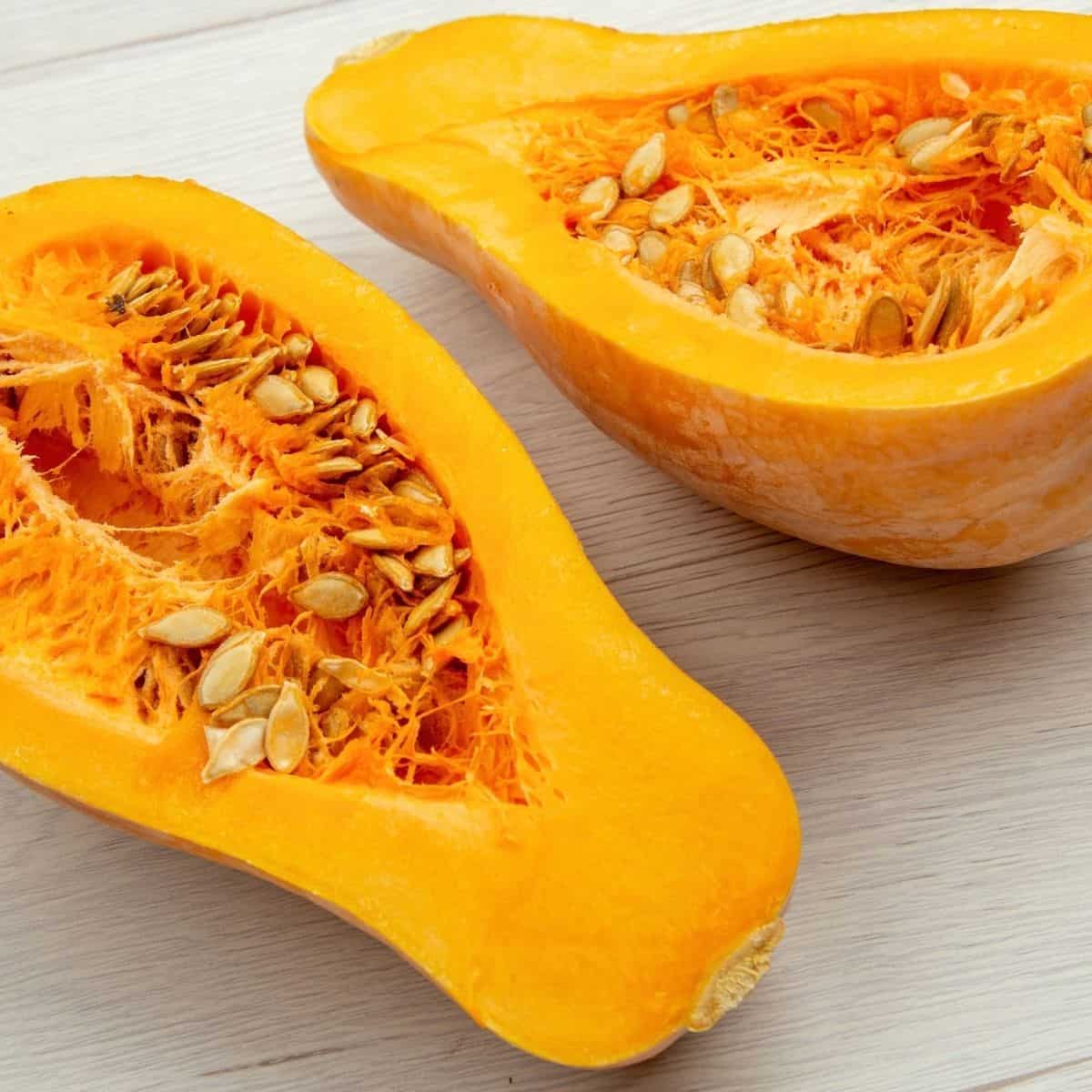
The best butternut squash substitute is another winter squash - kabocha, buttercup, or acorn - swapped one for one by weight. Sweet potato is the easiest year-round stand-in, and canned pumpkin works when the squash is pureed into soup or sauce.
Disclosure: This post contains affiliate links. If you purchase through one of my links, I may earn a small commission at no extra cost to you. Thank you for supporting my blog!
Want to Save This Recipe?
Enter your email and we’ll send the recipe directly to you!
By submitting this form, you consent to receive emails from The Yummy Bowl.
The Quick Answer
If you want the short version: grab kabocha or buttercup if you are at a decent grocery store, sweet potato if you are not, and canned pumpkin if the squash was going to get blended anyway. Ratios and details below.
| Substitute | Use it for | Ratio | Notes |
|---|---|---|---|
| Kabocha squash | Anything | 1:1 by weight | Closest match, a little sweeter and drier |
| Sweet potato | Roasting, soup, mash | 1:1 by weight | Sweeter, cooks faster |
| Acorn squash | Roasting, stuffing | 1:1 | More fibrous, more seeds |
| Carnival / delicata | Roasting | 1:1 | Delicata skin is edible |
| Canned pumpkin puree | Soup, pasta sauce, baking | 1 cup per 1 cup cooked squash | Only where it is blended |
| Carrot + a little sweet potato | Soup | 1:1 combined | Good color, less creamy |
| Pumpkin (fresh pie) | Anything | 1:1 by weight | Wetter; roast to dry it out |
The Best Substitutes, and What Each One Actually Does
These are not interchangeable, which is the part most substitution lists skip. A swap that is perfect in soup can fall apart on a sheet pan, so here is what changes with each one.
Kabocha Squash (the closest match)
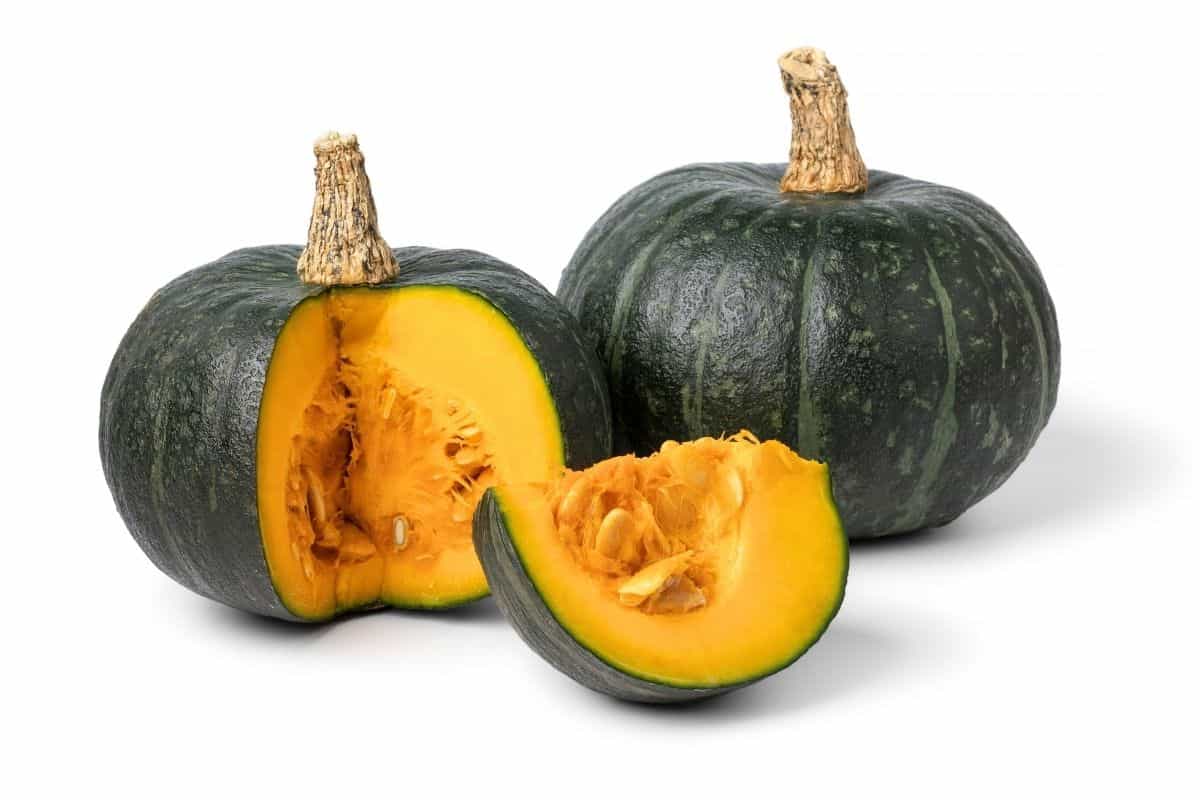
Kabocha is the one I reach for first. It has the same sweet, nutty flavor as butternut, so nothing about the recipe tastes off. The difference is texture: kabocha is denser, drier, and starchier, closer to a chestnut or a baked potato than the creamy flesh of a butternut.
Swap it one for one by weight, but give it a little longer in the oven, because that density means it takes maybe five or ten extra minutes to go tender. In soup the dryness is actually a bonus, since you get a thicker puree without adding cream. The skin is thin enough to eat once roasted, so you can skip peeling if you want.
Buttercup Squash (best texture match)
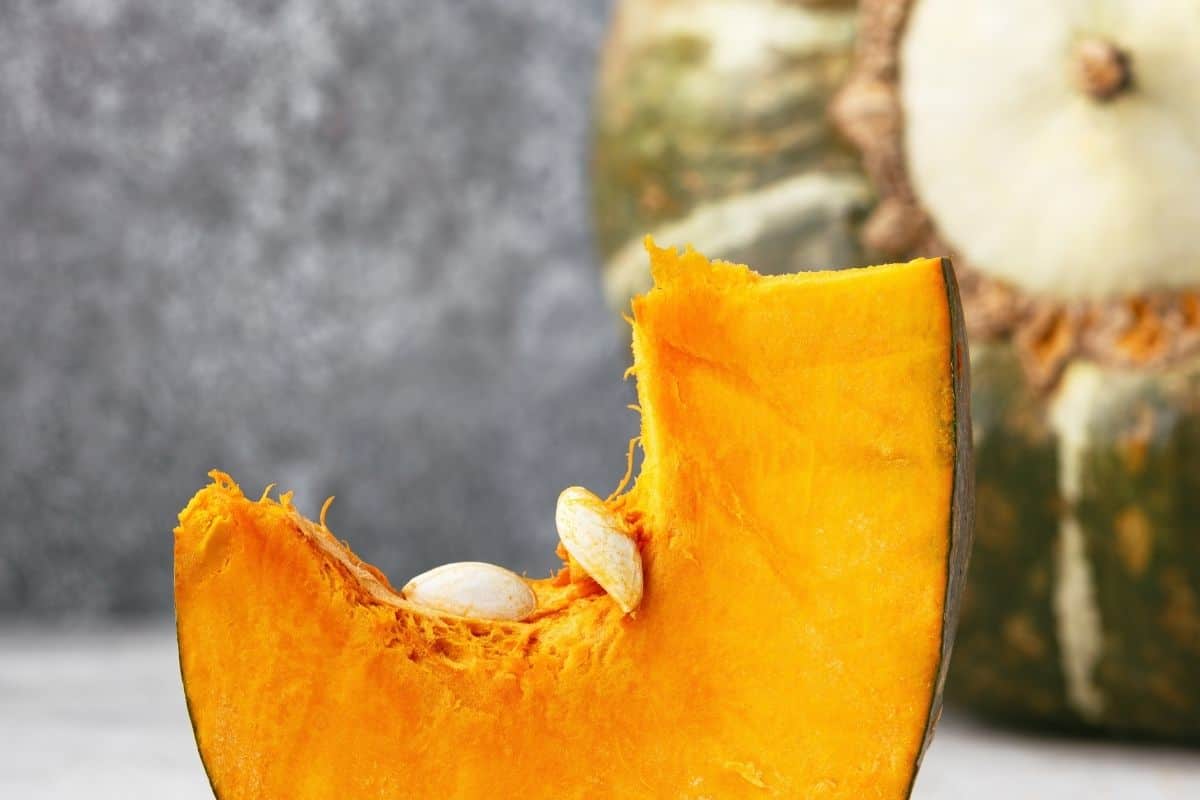
Buttercup looks like a small dark green turban and it is the best texture match on this list. Sweet, nutty, only slightly drier than butternut, and it holds its shape when roasted instead of collapsing.
One for one by weight with no adjustments. It is the substitute nobody at the table will notice, which is exactly what you want when you are quietly improvising.
Honeynut Squash (sweeter and faster)
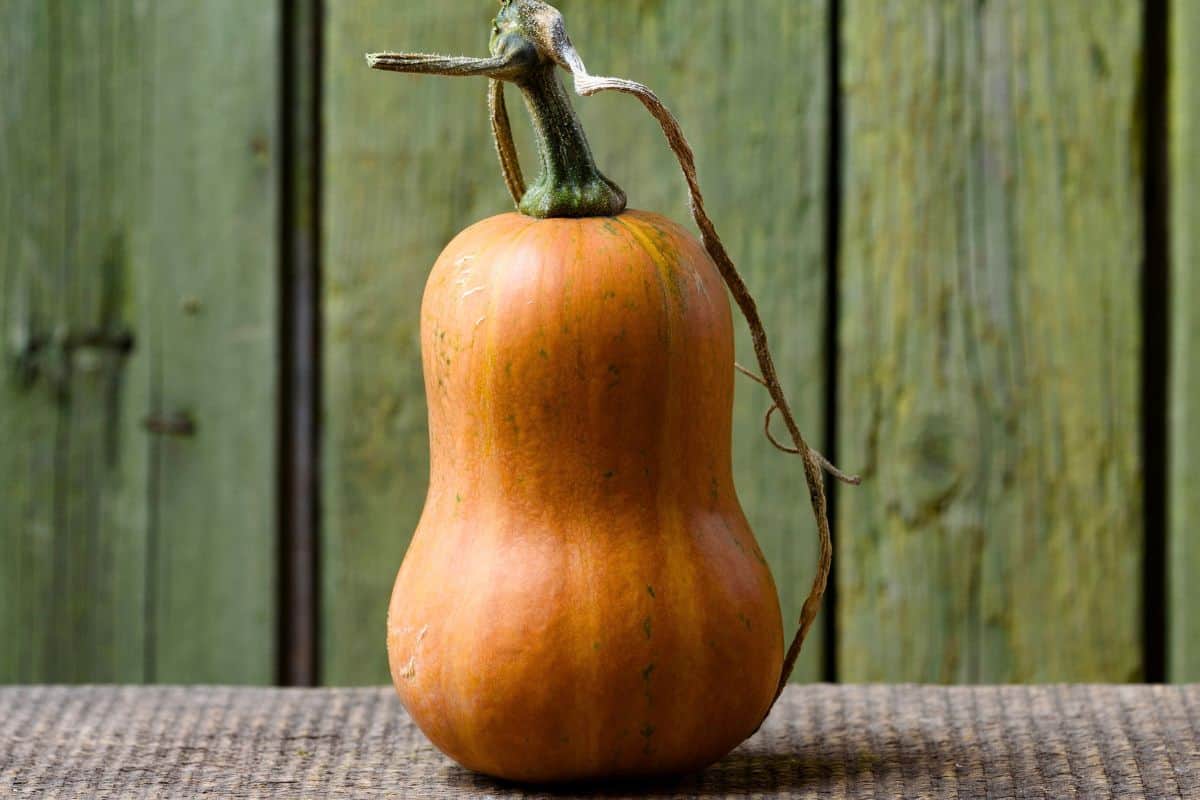
Honeynut is essentially a miniature butternut, and it was bred to be sweeter and more concentrated than its parent. It tastes faintly of honeysuckle, which sounds like marketing but is genuinely noticeable.
Two real advantages: the skin is thin enough that you do not need to peel it at all, and because they are small they cook fast.
Swap one for one by weight. Because it is sweeter, hold back a little on any honey or maple in the recipe or the dish tips over into dessert.
Sweet Potato (the one you already have)
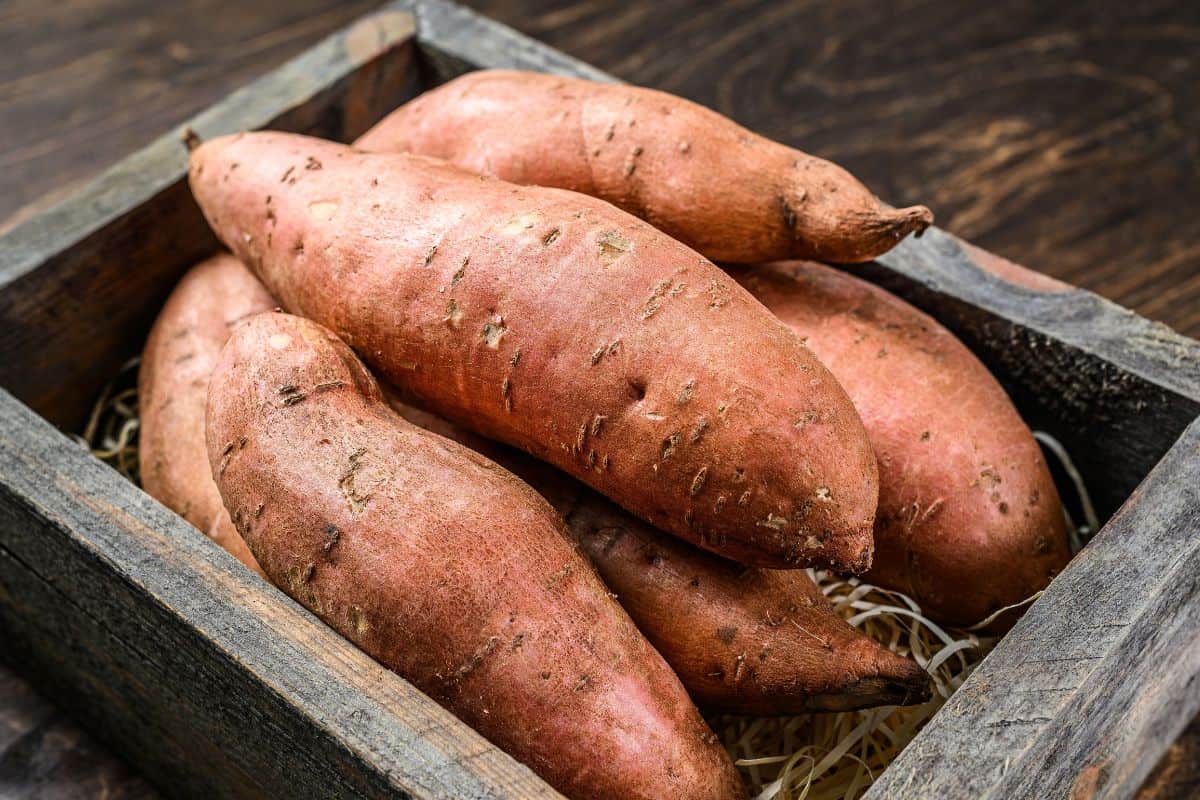
This is the practical answer on a Tuesday. Sweet potato is available everywhere all year, it swaps one for one by weight, and it works in soup, roasting, and mash.
Two things to adjust: it is noticeably sweeter, so ease off other sweeteners, and it cooks about ten minutes faster, so start checking early or you will get mush. It is also more moist than butternut, which is fine in soup but means slightly less caramelization on a sheet pan. Cut it a touch larger to compensate.
Acorn Squash (fine, with caveats)
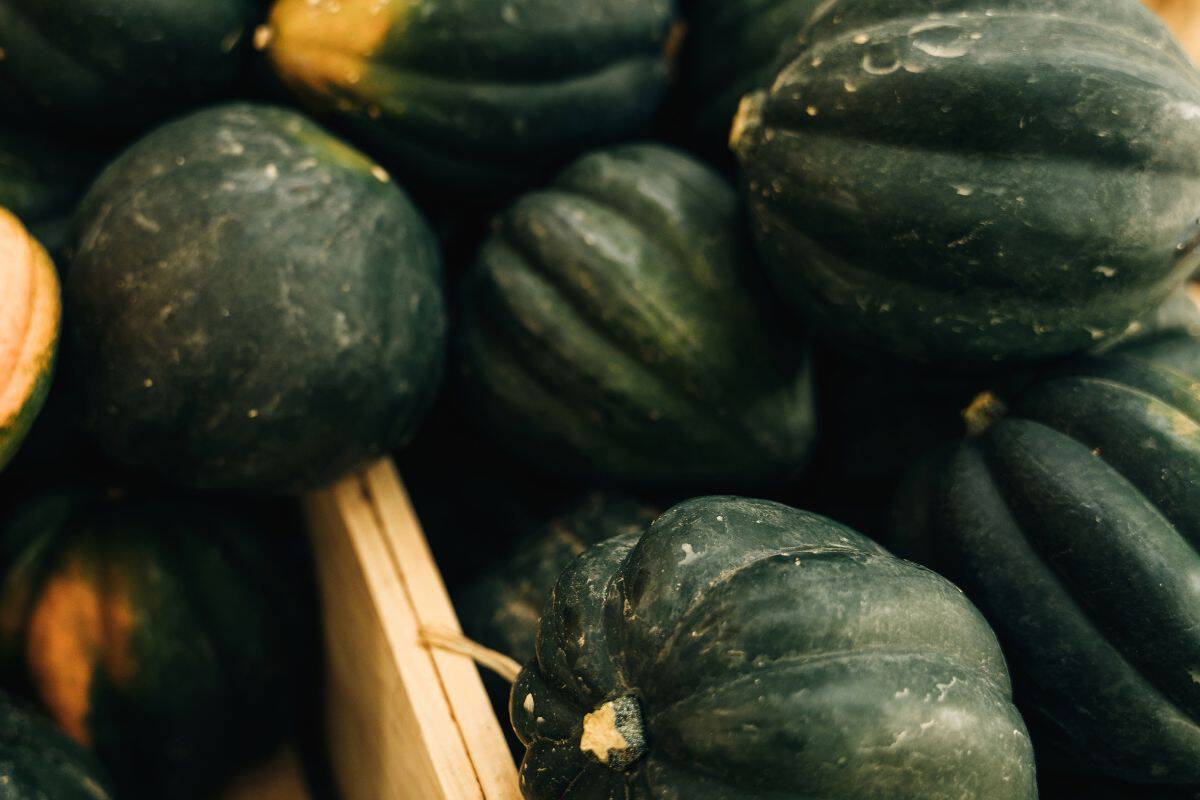
Acorn works but it is the weakest of the winter squashes here. It is more fibrous, stringier, and less sweet than butternut, and it has a big seed cavity so you get less usable flesh per squash than you expect.
Where it genuinely shines is roasted in halves and stuffed, because the shape holds filling beautifully. For cubes in a soup, pick something else. One for one by weight if you do use it.
Delicata and Carnival Squash (best for roasting)
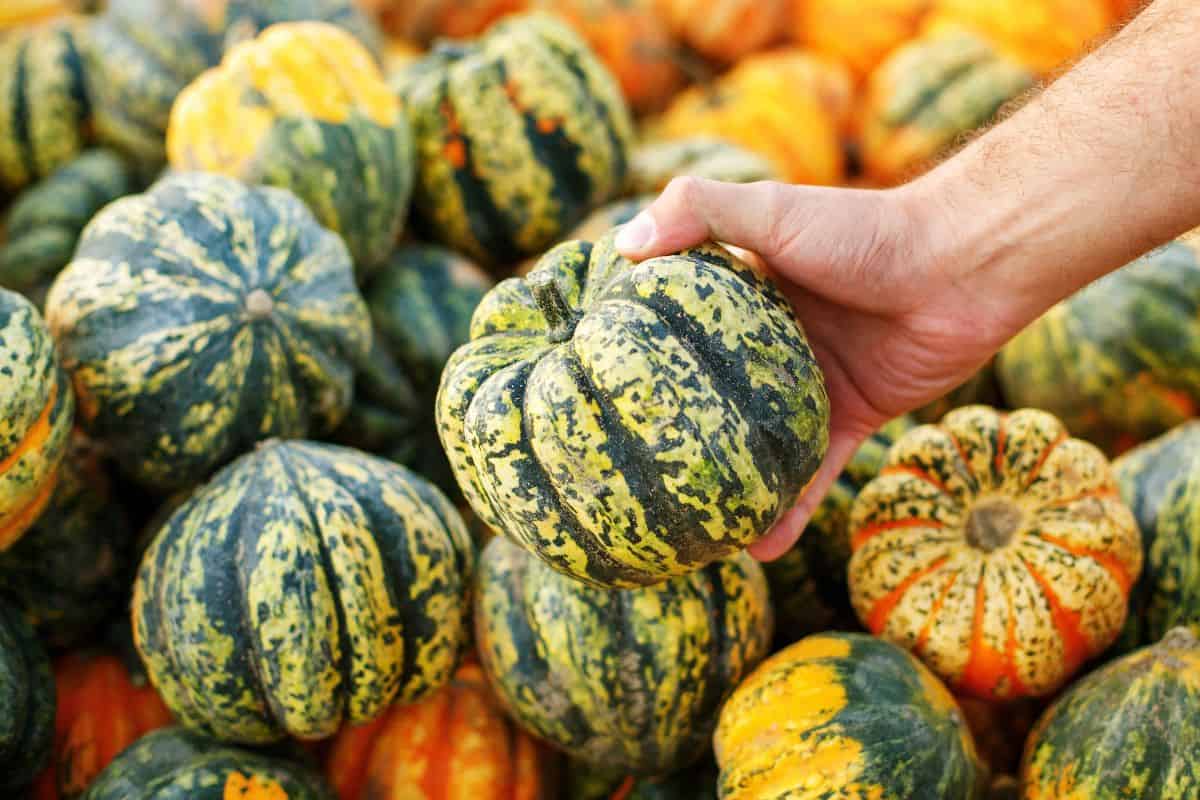
Both are great specifically for roasting and less useful for anything pureed. Delicata is the small striped one, it is sweet, it cooks quickly, and the skin is thin and genuinely pleasant to eat, so you slice it into half moons and roast it as is with no peeling at all. Carnival is an acorn cross with similar handling. Neither has the dense flesh you want for a silky soup, but for a sheet pan of caramelized squash they are easier than butternut.
Canned Pumpkin (only where it gets blended)
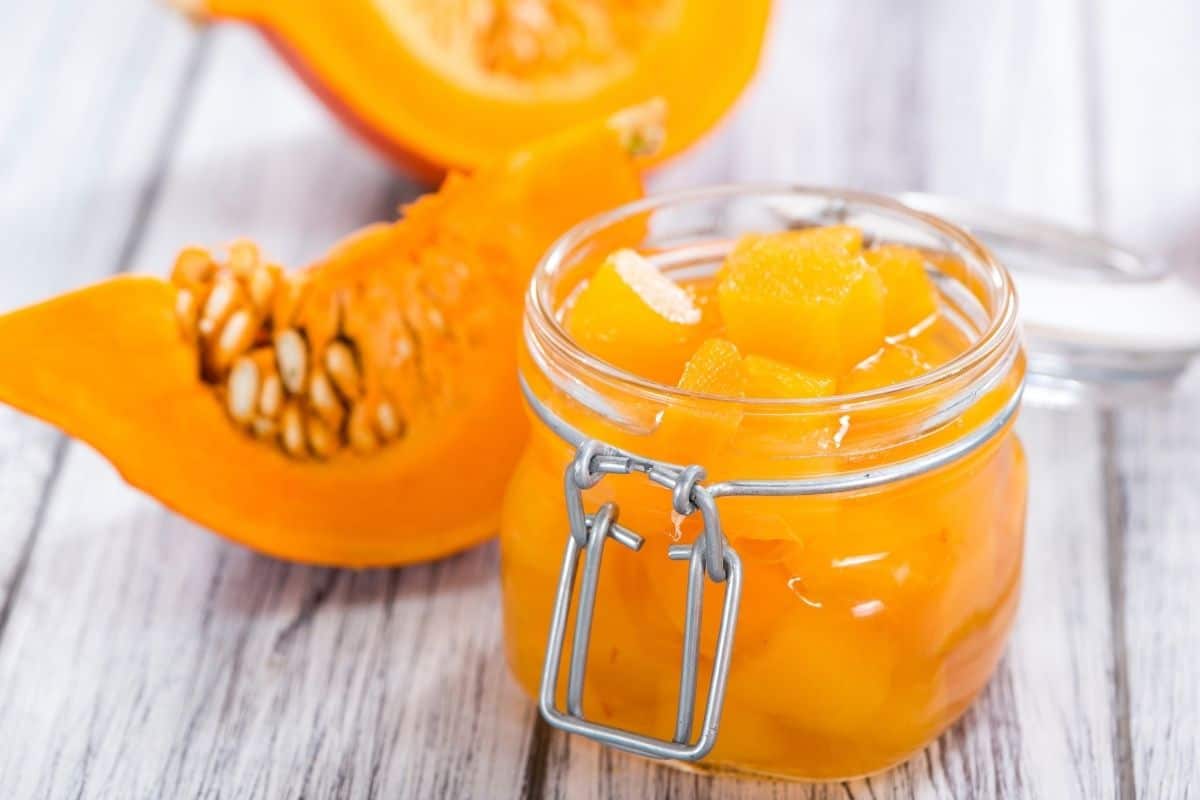
Canned pumpkin puree is an excellent substitute in exactly one situation: the squash was going to be pureed anyway. Soup, pasta sauce, risotto, baking. Use one cup of puree for each cup of cooked squash the recipe wants.
What it cannot do is be a cube, so anything where you want visible pieces or a roasted edge is out. Also make sure you grab plain pumpkin puree and not pumpkin pie filling, which is already sweetened and spiced and will wreck a savory dish.
Carrots (in a pinch, for soup only)
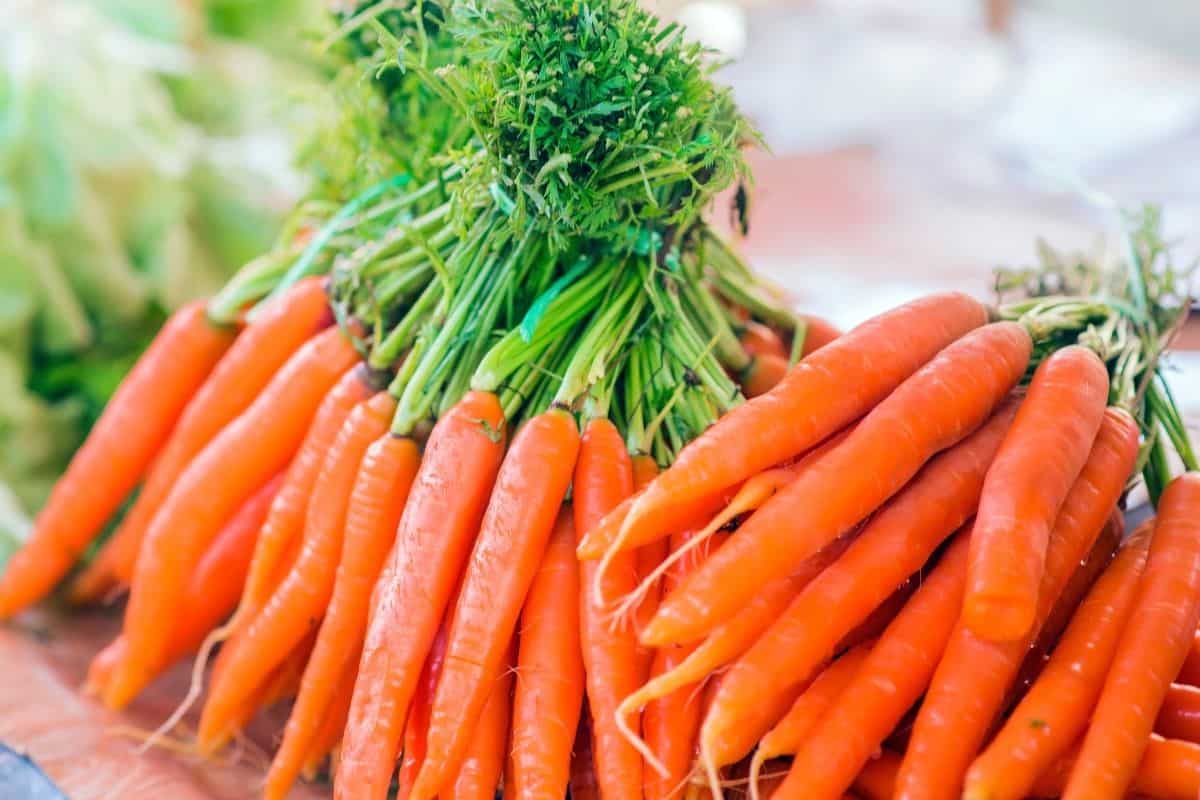
Carrots give you the right color and a similar sweetness, and if you blend them with a little sweet potato you get surprisingly close in a soup.
What you do not get is creaminess, because carrots are more fibrous and stay slightly grainy no matter how long you blend. Use them combined one for one by weight, and expect to add a splash of cream or coconut milk to smooth it out.
Which One for Which Dish
- For soup: Kabocha first, then sweet potato, then canned pumpkin. If you go with pumpkin, cut the added liquid back slightly because the puree is already wet and you can always loosen it later.
- For roasting in cubes: Buttercup or kabocha hold their shape best. Sweet potato works but cooks faster, so either cut it bigger or pull it sooner.
- For pasta and risotto: Canned pumpkin is the easy route since it melts into the sauce. Use kabocha if you want to actually see squash in the dish.
- For baking: Canned pumpkin or mashed sweet potato, one for one. Both are wetter than roasted butternut puree, so if your batter looks loose you are not imagining it.
- For stuffing and serving in halves: Acorn squash, easily. This is the one job it does better than butternut.
What Not to Use
- Spaghetti squash. It is watery and it separates into strands when cooked. That is its whole appeal and it is completely wrong here. It will not puree smooth and it will not cube.
- Zucchini or any summer squash. No sweetness, very high water content, and it collapses into mush at roasting temperatures. Different vegetable doing a different job.
- Pumpkin pie filling. Worth repeating because the cans sit next to each other. It is pre-sweetened and pre-spiced and it will ruin a savory recipe.
Butternut Squash Substitute FAQs
Can I use sweet potato instead of butternut squash?
Yes, and it is the easiest swap because you probably already have one. Use it one for one by weight. It is sweeter, so pull back on any honey or maple in the recipe, and it cooks roughly ten minutes faster, so start checking it early. In soup you will barely notice the difference.
Is canned pumpkin the same as butternut squash?
Close enough in anything pureed, and not at all a substitute where you want texture. They have a similar sweetness and color once blended into soup or a pasta sauce. But puree cannot become a roasted cube, so if the recipe wants visible pieces you need an actual squash. Buy plain puree, not pie filling.
What squash tastes most like butternut?
Kabocha is the closest on flavor, then buttercup, then honeynut. All three are sweet and nutty in the same register. Kabocha and buttercup are drier and denser than butternut, and honeynut is sweeter and smaller, but any of the three will pass without comment in a finished dish.
Can I substitute frozen butternut squash for fresh?
Yes, and it saves you the entire peeling job. Frozen cubes release more water as they thaw, so for roasting spread them out on the pan in a single layer and do not crowd them, or they steam instead of browning. For soup you can add them straight from frozen.
Do I need to change the cooking time when I substitute?
Usually a little. Sweet potato and honeynut cook faster than butternut, kabocha and buttercup take slightly longer because they are denser, and acorn is somewhere in the middle. Rather than watching the clock, poke a piece with a knife tip: if it slides in with no resistance, it is done.
Butternut Squash Substitutes - Wrap Up
Kabocha if you can find it, sweet potato if you cannot, canned pumpkin if it was getting blended anyway. If you want to know what else is in the bin at the store, my guide to types of squash walks through all of them, and once you have your squash home, how to cut and peel a butternut squash makes the next part painless. Then cook it in my butternut squash risotto or my savory pumpkin dinners.
More Cooking Tips


Before You Go
If you found this post helpful, I'd love to hear from you! Leave a comment below and let me know your thoughts, questions, or experiences. Your feedback helps me create content that truly serves this wonderful community. ❤️
Join TYB
Insider
Get access to exclusive recipes,
weekly meal plans, printable
grocery lists, and AD-FREE
browsing designed to make
mealtime easier.