

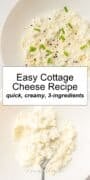
This Homemade Cottage Cheese Recipe with just 3 ingredients is creamy, high protein, surprisingly easy, and tastes so much fresher than store-bought versions. If you've never made cheese at home before, this is honestly one of the best beginner-friendly kitchen projects to start with.
It's perfect for healthy breakfasts, quick high protein snacks, meal prep lunches, lazy weeknight meals, and balanced family recipes. You only need milk, lemon juice (or vinegar), and salt, but the texture and flavor feel way more special than you'd expect from something this simple.

Want to Save This Recipe?
Enter your email and we’ll send the recipe directly to you!
By submitting this form, you consent to receive emails from The Yummy Bowl.
Homemade Cottage Cheese
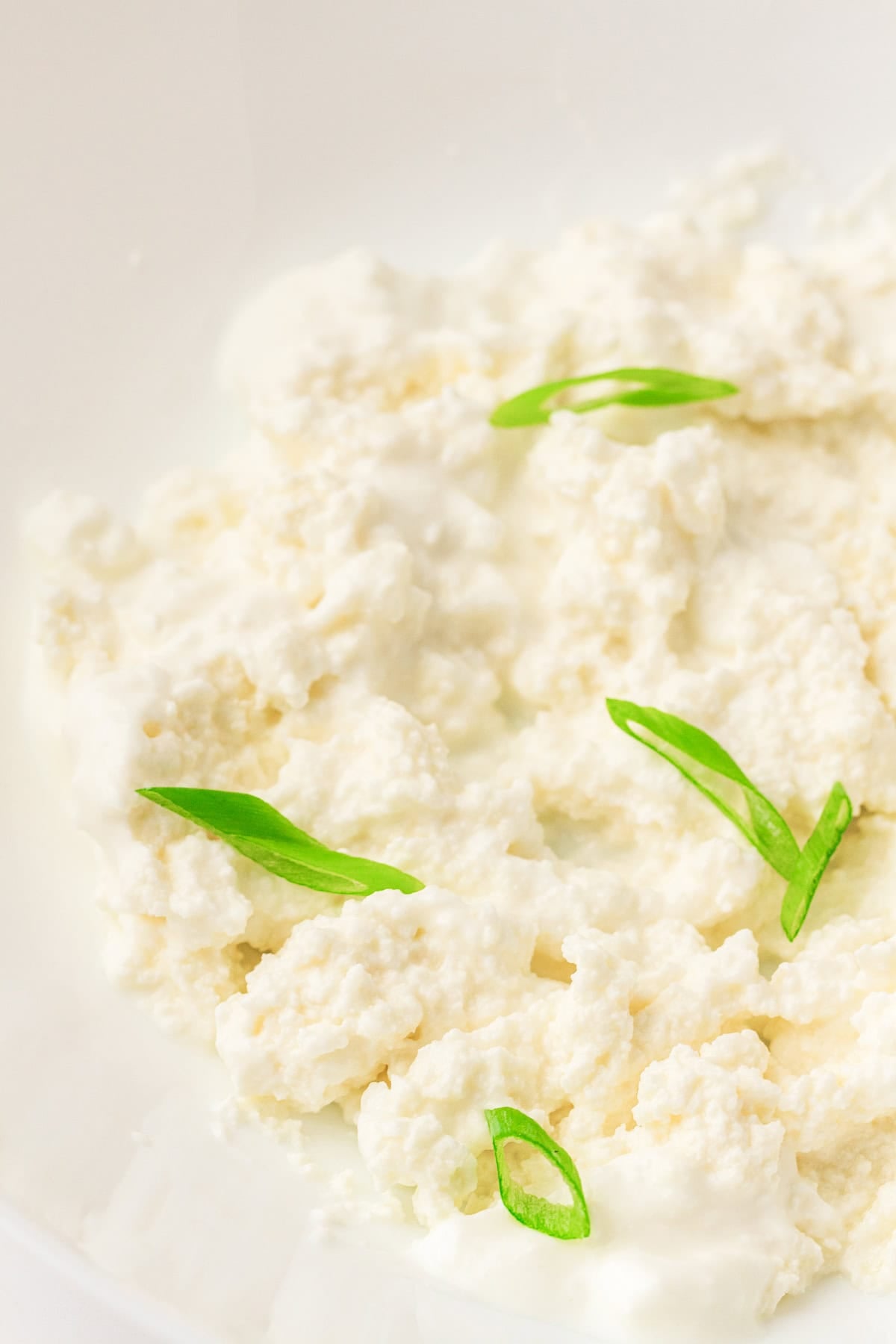
The first time I made this, what surprised me most was how soft and delicate the curds turned out. Store-bought cottage cheese can sometimes taste watery or overly salty, but homemade has a much cleaner, creamier flavor that works in both sweet and savory recipes.
This Recipe Is
- High protein
- Meal prep friendly
- Budget-friendly
- Quick healthy breakfast (savory or sweet)
- Perfect for a protein-packed snack idea
Why I Love It
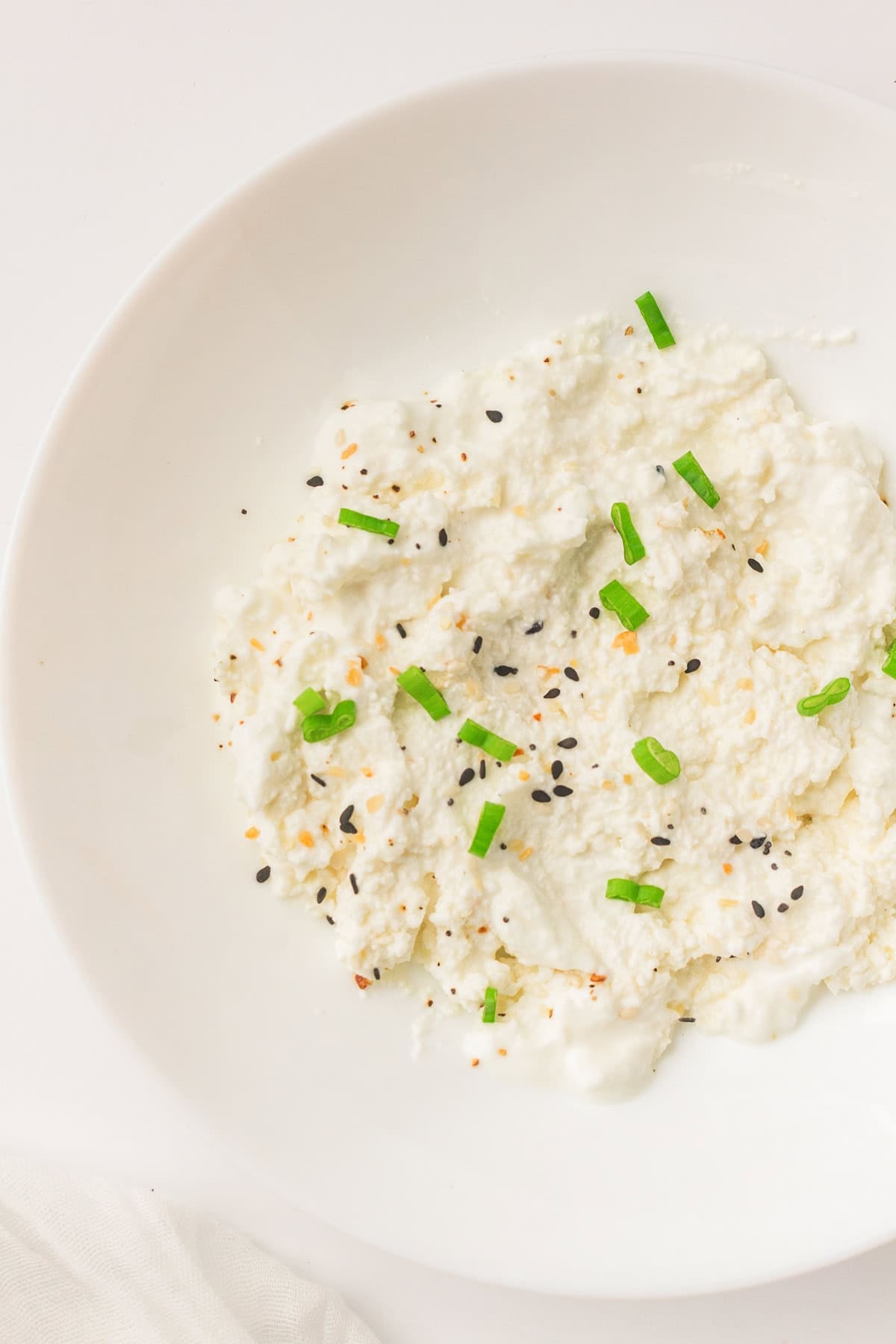
- What I love about this homemade cottage cheese is how fresh and balanced it tastes. It's not just about making cheese from milk - it's about getting that soft, creamy texture that makes you want to keep eating spoonful after spoonful.
- Heating the milk slowly is the secret. It creates tender little curds instead of rubbery ones, and rinsing them gently keeps the flavor clean, mild, and creamy instead of overly tangy. I've tested this a few different ways, and this method gives the best texture every time.
- It's one of those simple recipes that feels surprisingly special. I love it for breakfast with fruit and honey, spread on toast for lunch, or even as a quick high-protein snack straight from the fridge.
- The texture and flavor balance are what make it so good:
- creamy but not heavy
- fresh tasting but still rich
- high protein without feeling overly dense
- soft curds with just enough texture
Ingredients
- Milk - Whole milk makes the creamiest cottage cheese with softer, richer curds. Semi-skimmed milk also works if you want a lighter version, though the curds may be slightly less creamy. If possible, avoid ultra-pasteurized milk, as it can sometimes make it harder for the curds to form fully and may result in a weaker texture.
- Lemon Juice or White Vinegar - Both work well for curdling the milk. Lemon juice gives the cottage cheese a slightly fresher, lighter flavor, while white vinegar usually creates very reliable, well-formed curds. I tend to use lemon juice when I want a milder breakfast-style cottage cheese and vinegar for more savory versions.
- Salt - Don't skip it. Even a small amount makes the flavor taste fuller and creamier. Homemade cottage cheese can taste a little flat without salt, but the nice part is you can control the amount yourself instead of ending up with the very salty flavor many store-bought versions have.
- Cheesecloth - Helps the curds drain gently without squeezing out too much moisture. This keeps the cottage cheese soft, tender, and creamy instead of dry or crumbly. Tip: A clean thin kitchen towel works well too.
📋 You can find the full ingredient list in the Recipe Card below the article.
How To Make Homemade Cottage Cheese
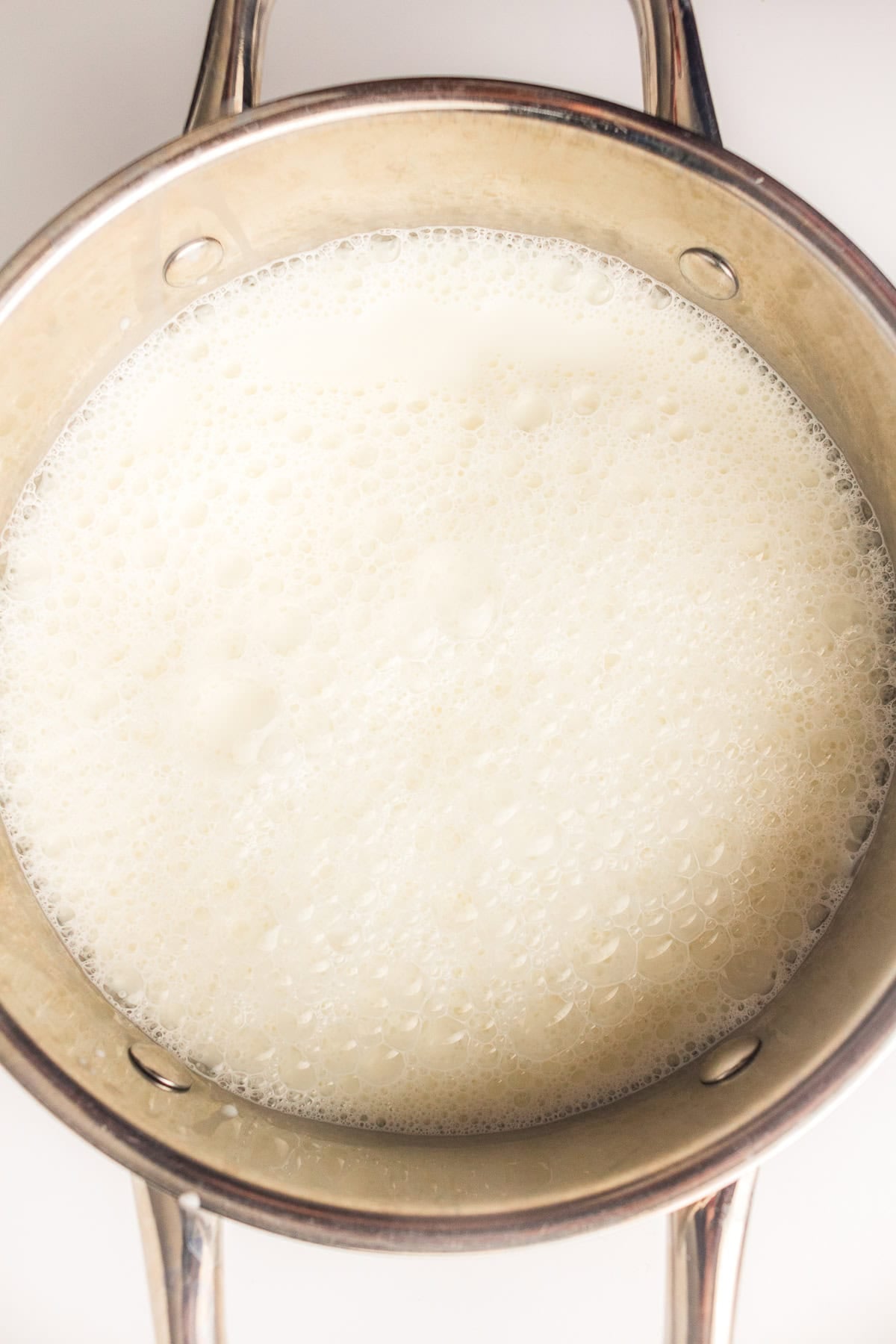
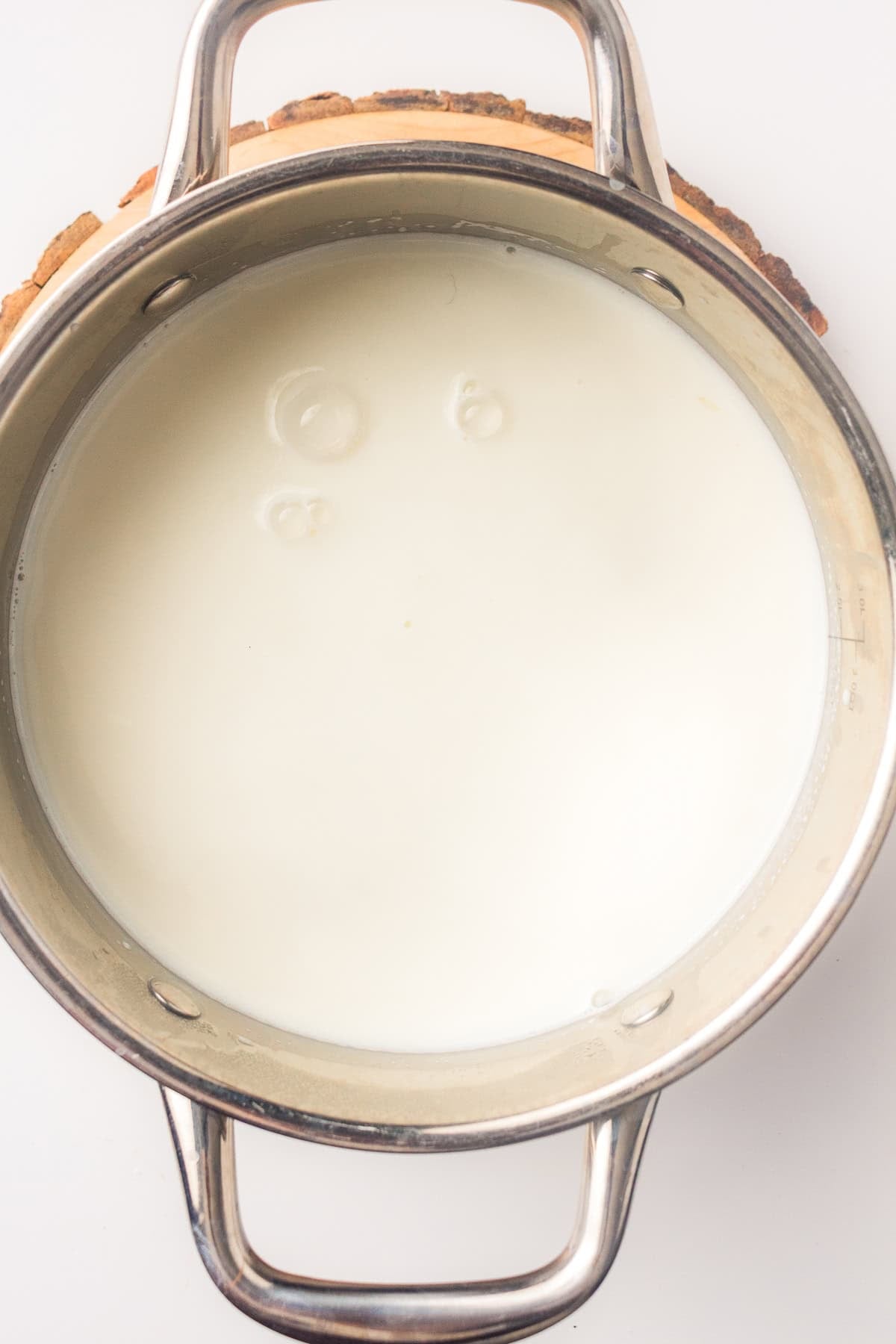
- Heat the milk: Pour the milk into a large heavy-bottomed pot and heat over medium heat. Stir occasionally so the bottom doesn't scorch. The milk should look steamy with tiny bubbles around the edges but should not fully boil. This is where people often go wrong. If the milk boils aggressively, the curds can turn rubbery instead of soft.
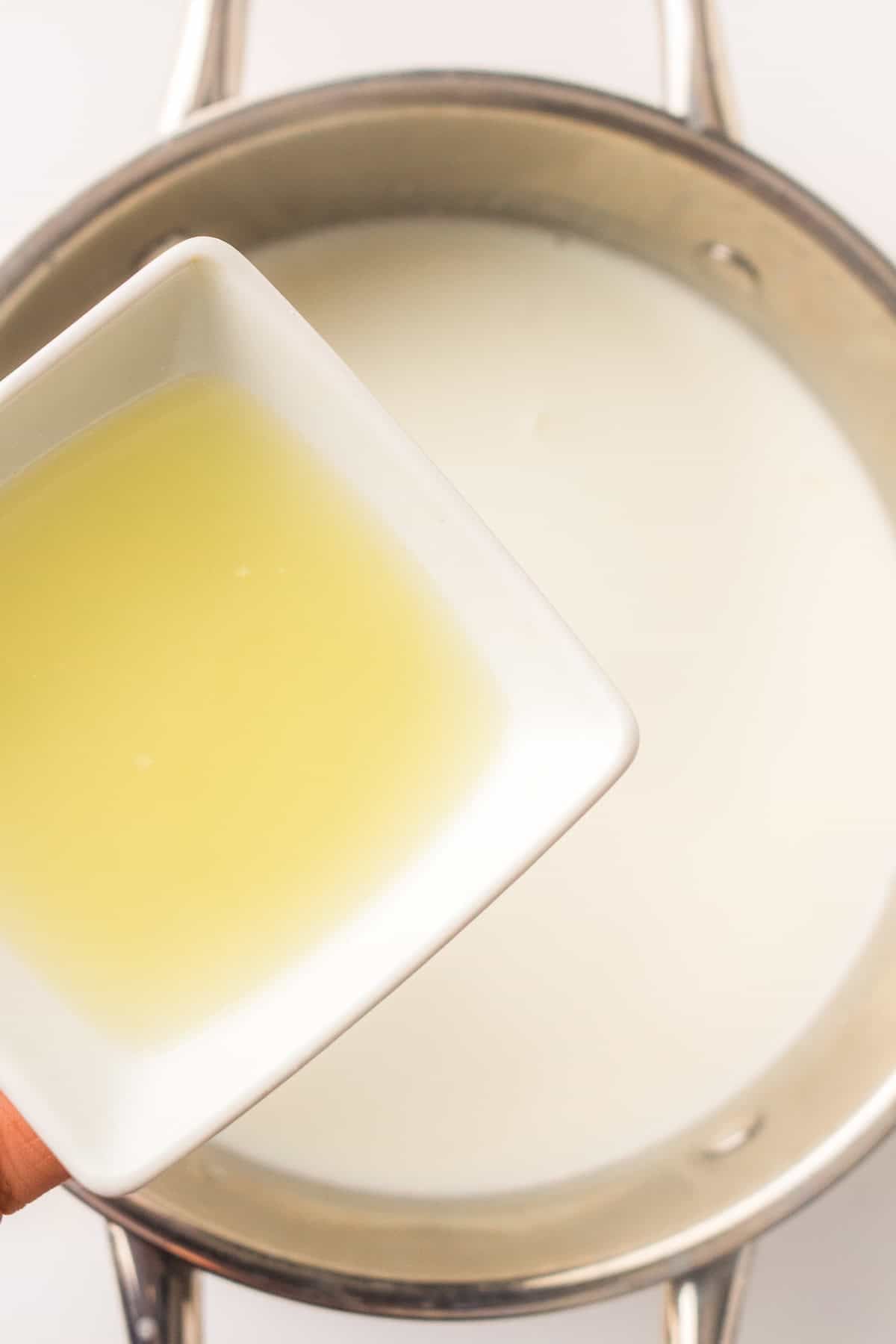
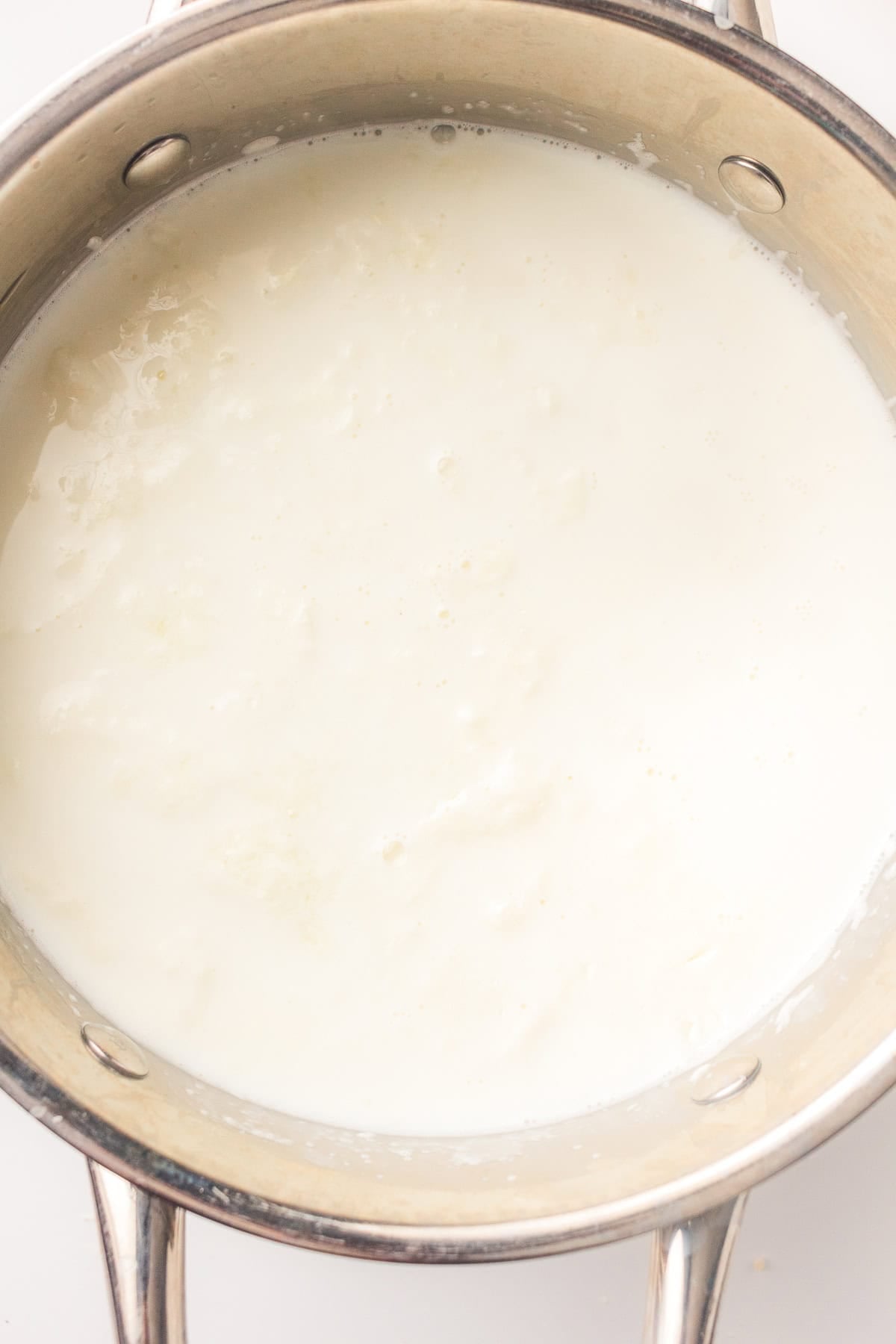
- Add the acid: Remove the pot from the heat and gently stir in the lemon juice or vinegar. Within a minute or two, the milk should begin separating into curds and yellowish whey. If it still looks mostly milky after a few minutes, add another small splash of acid.
- Let the mixture rest: Leave the mixture untouched for about 10 minutes. This step matters more than people think because it allows the curds to fully develop and firm up naturally.
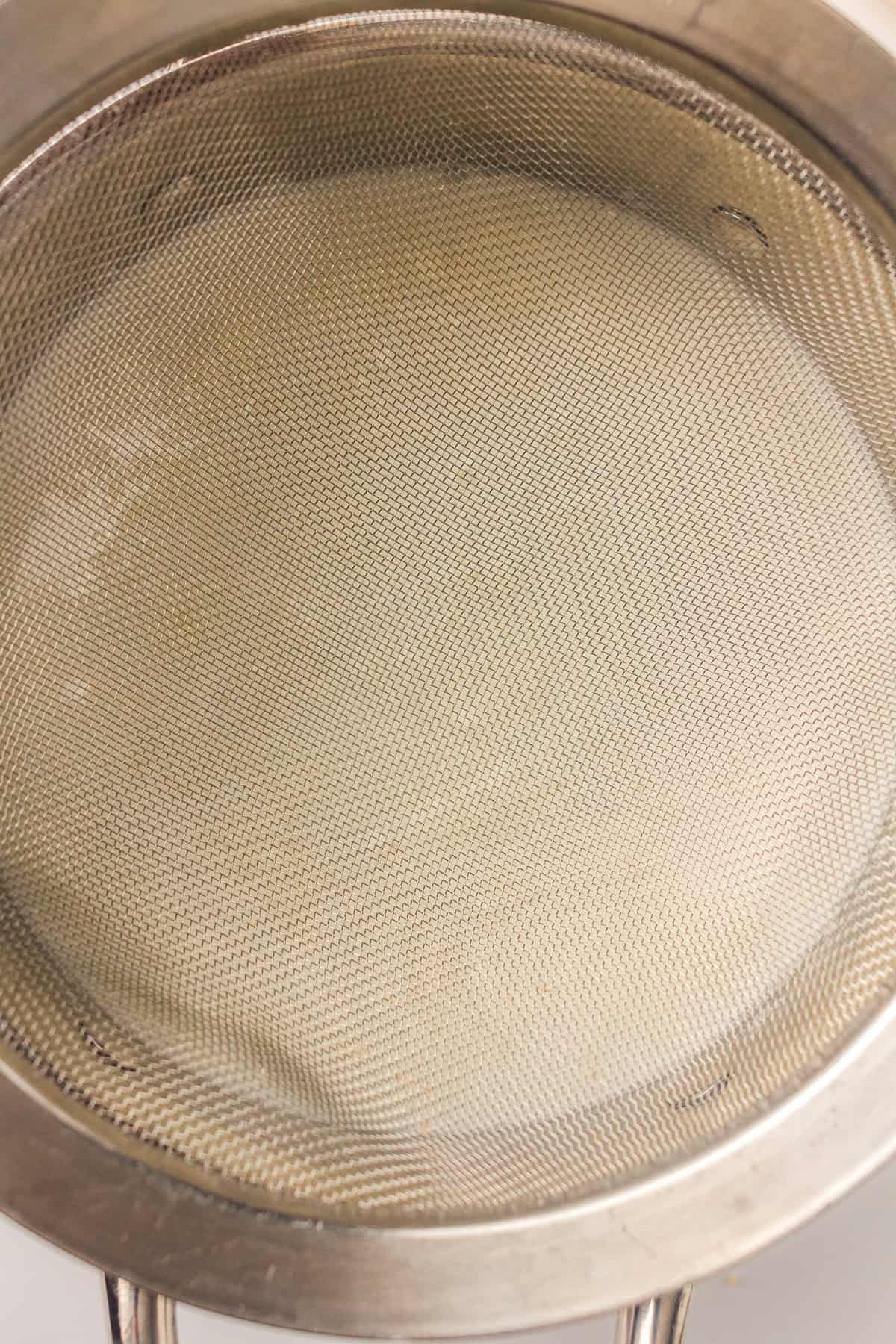
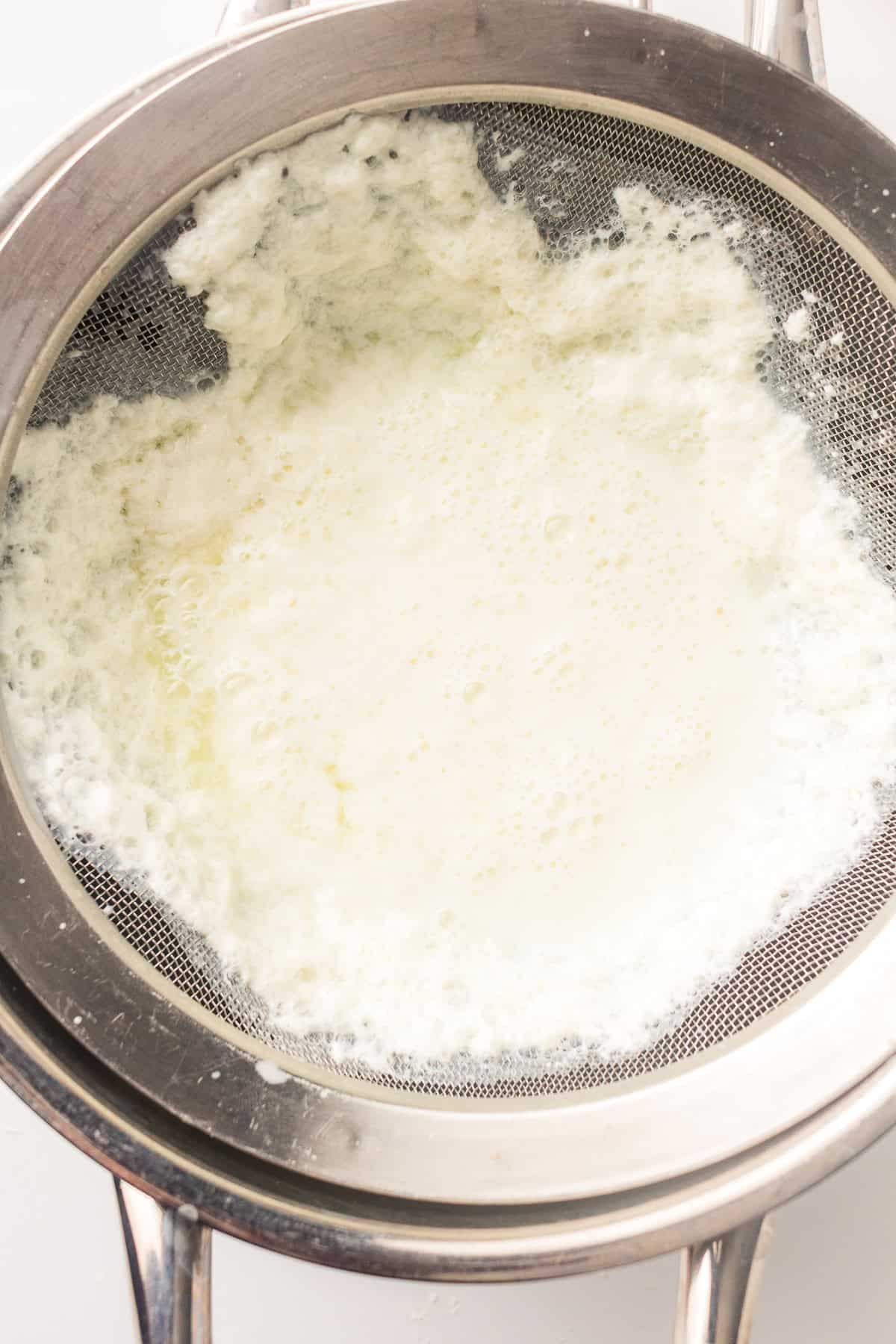
- Strain the curds: Pour the mixture through a cheesecloth-lined sieve placed over a bowl. The curds should look fluffy, soft, and slightly lumpy.
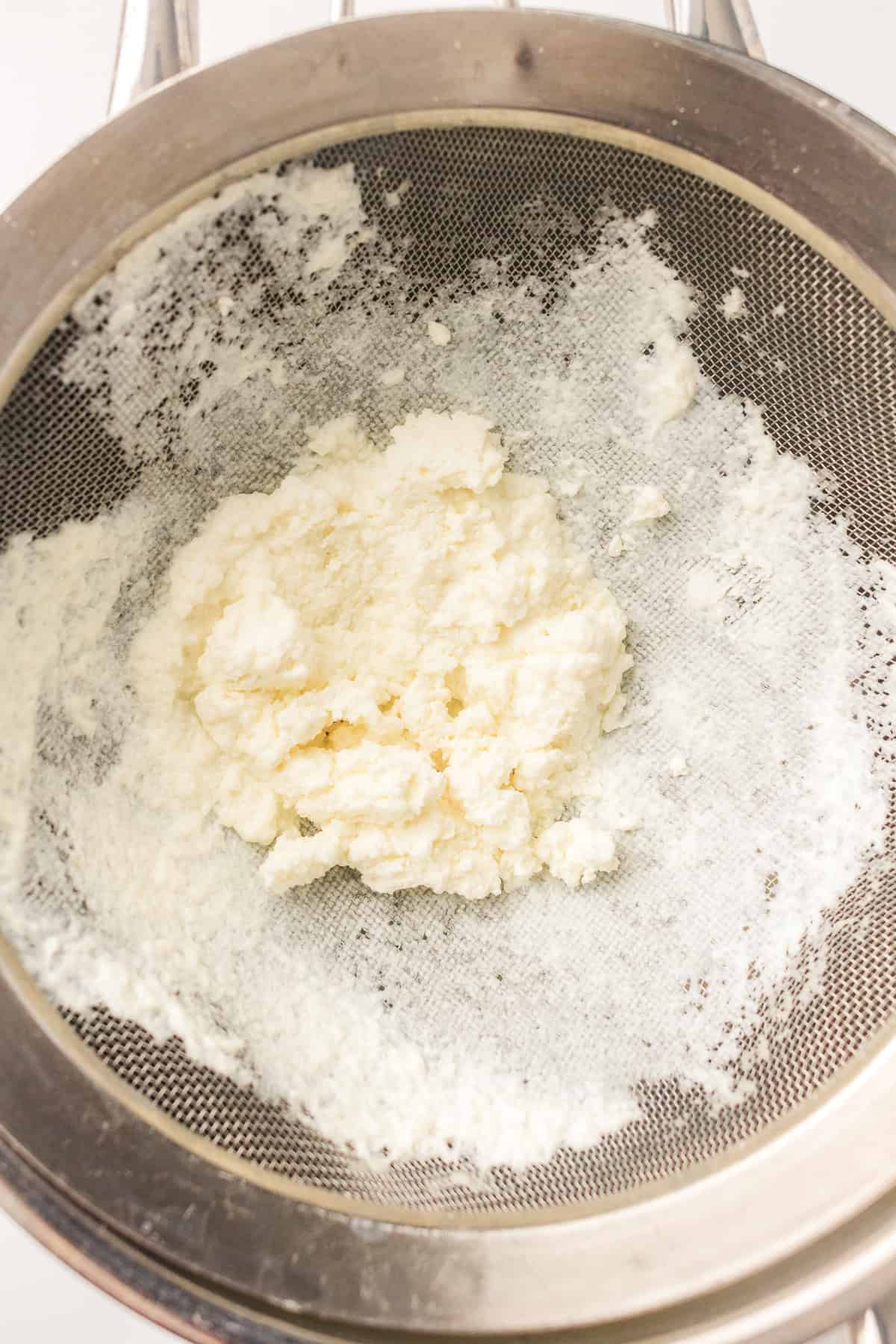
- Rinse gently: Rinse the curds lightly with cool water. This helps remove excess acidity and keeps the flavor mild and fresh instead of sharp.
- Add salt: Sprinkle in the salt and stir gently. Avoid overmixing here because the curds can break apart and lose their soft texture.
- Chill or serve: Serve immediately or refrigerate until cold. I actually think the texture gets even better after chilling for about an hour.
My Favorite Tools
 Buy Now →
  Buy Now →
  Buy Now →
  Buy Now →
 Best Tips for Success
- Game changer. Chill the cottage cheese before eating. The texture gets noticeably creamier and more balanced once fully cold.
- Heat the milk slowly. This is one of the biggest secrets to soft cottage cheese. Rushing the heating process often creates tough, rubbery curds.
- Don't let the milk fully boil. Once the milk starts aggressively bubbling, the curds can tighten quickly and lose that soft delicate texture.
- Leave the curds undisturbed while resting. It's tempting to stir, but letting the curds sit quietly helps them fully form and stay light and fluffy.
- Rinse the curds gently with cool water. This removes excess tanginess and gives the cottage cheese a fresher, milder flavor.
- Drain based on your preferred texture. A shorter draining time creates creamier cottage cheese, while longer draining gives firmer, drier curds.
- Shortcut tip. No cheesecloth? A clean thin kitchen towel works surprisingly well and still drains the curds gently.
Why Are My Homemade Cottage Cheese Curds Smaller Than Store-Bought?
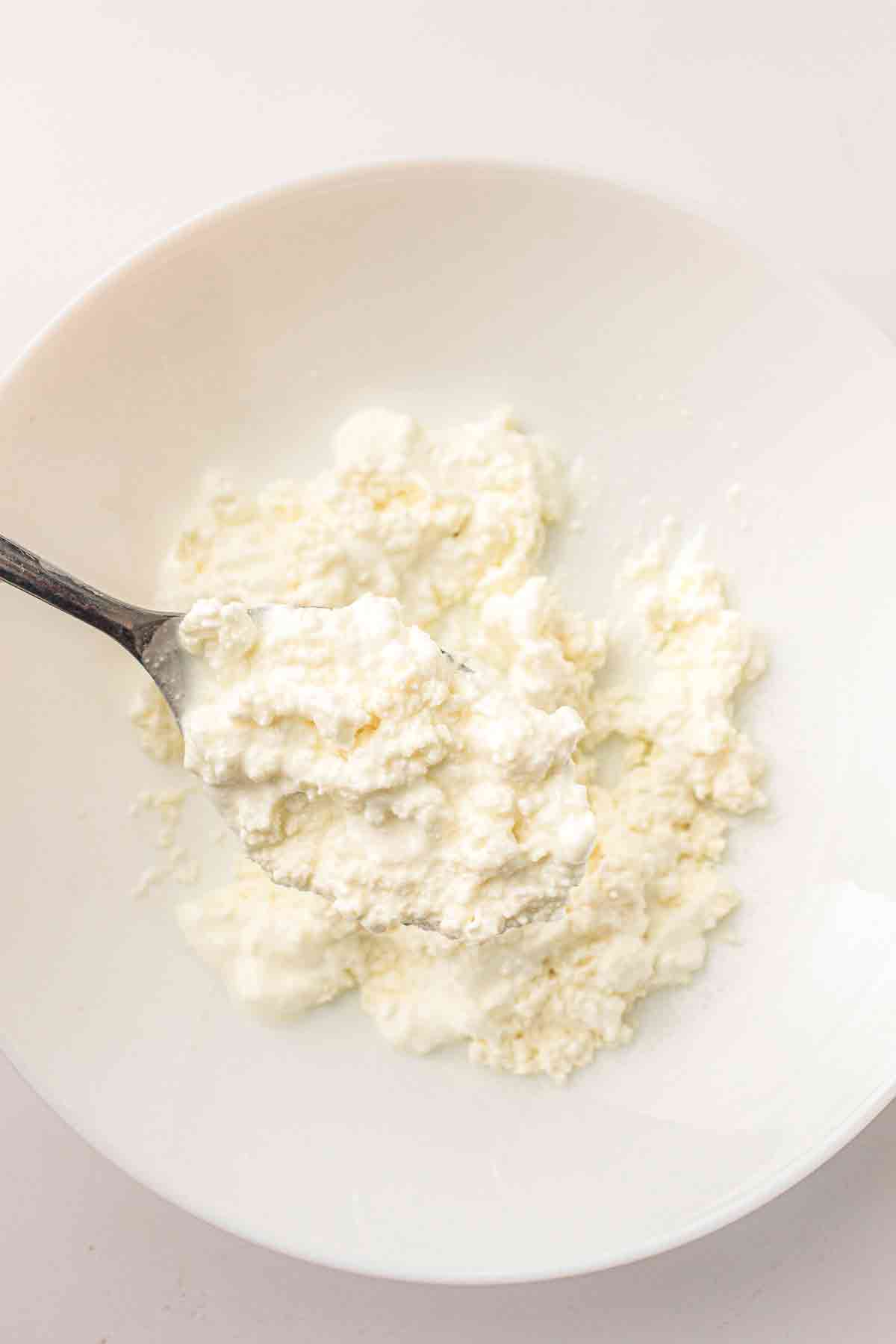
Homemade cottage cheese usually has smaller, softer curds because it's made using a quick acid method with lemon juice or vinegar. The milk separates quickly, creating tender curds with a fresh, creamy texture.
Most store-bought cottage cheese is made using a slower cultured process with beneficial bacteria, which helps create the larger, firmer curds you usually see in stores.
Overheating the milk, stirring too much, or using ultra-pasteurized milk at home can also lead to smaller curds.
Even though homemade cottage cheese looks different, many people prefer its softer texture and fresher flavor.
Don't Make These Mistakes
- Adding too much salt right away - I always start with less than I think I need because the flavor gets noticeably saltier after chilling.
- Boiling the milk too hard - I've done this before and the curds turned chewy and rubbery instead of soft and creamy.
- Stirring too aggressively after adding the acid - It's tempting to keep mixing, but gentle handling keeps the curds soft and fluffy instead of tiny and grainy.
- Skipping the rinse step - I notice the flavor tastes much fresher and milder when the curds get a quick rinse with cool water.
- Over-draining the curds - Homemade cottage cheese dries out faster than store-bought. I usually stop draining while it still looks slightly creamy because it firms up more in the fridge.
- Using heat that's too high - Once milk scorches on the bottom of the pot, the flavor is almost impossible to fully fix later.
How I Like To Serve It
- meal prep breakfasts
- healthy snacks
- grain bowls
- protein-packed lunches
- pasta sauces
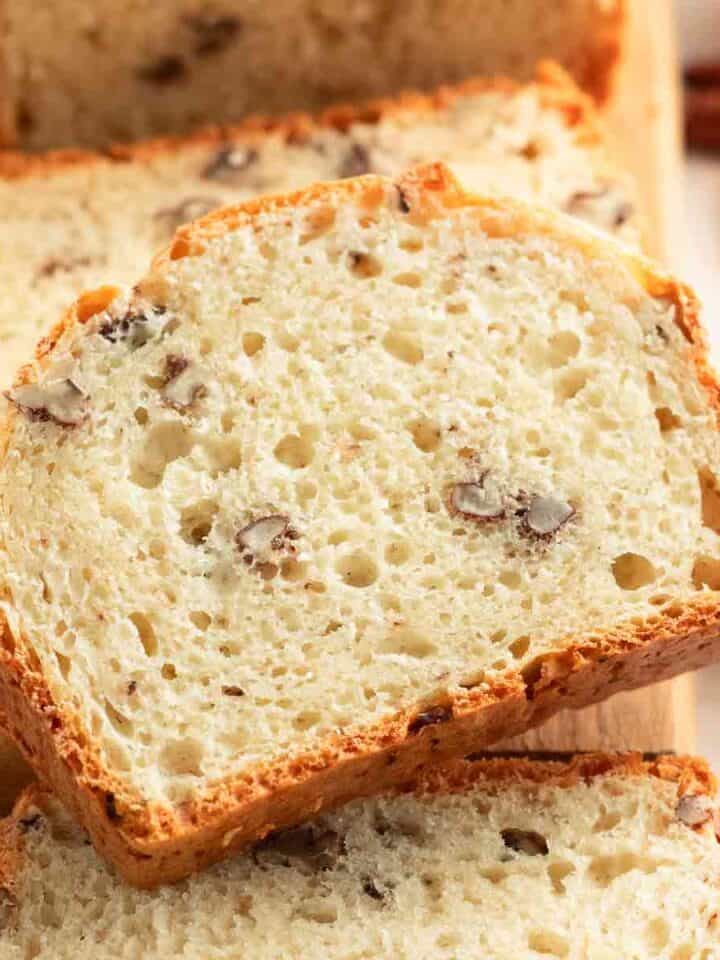
- breakfast bread
- flatbread
Storing Leftovers
Store homemade cottage cheese in an airtight container in the refrigerator for up to 4 days. I prefer using a glass container because it helps keep the flavor fresher and prevents the cottage cheese from absorbing fridge smells.
You may notice a little liquid collecting at the bottom after chilling - that's completely normal. Just give it a gentle stir before serving. For the best texture, keep the curds lightly moist rather than draining them completely dry before storing.
Bonus: Upgrade Variations
- Creamier Version: Stir in 1-2 tablespoons of heavy cream after chilling for a richer, silkier texture that tastes closer to restaurant-style cottage cheese.
- High Protein Breakfast Bowl: Top with berries, walnuts, chia seeds, and a drizzle of honey for an easy high protein breakfast that actually keeps you full.
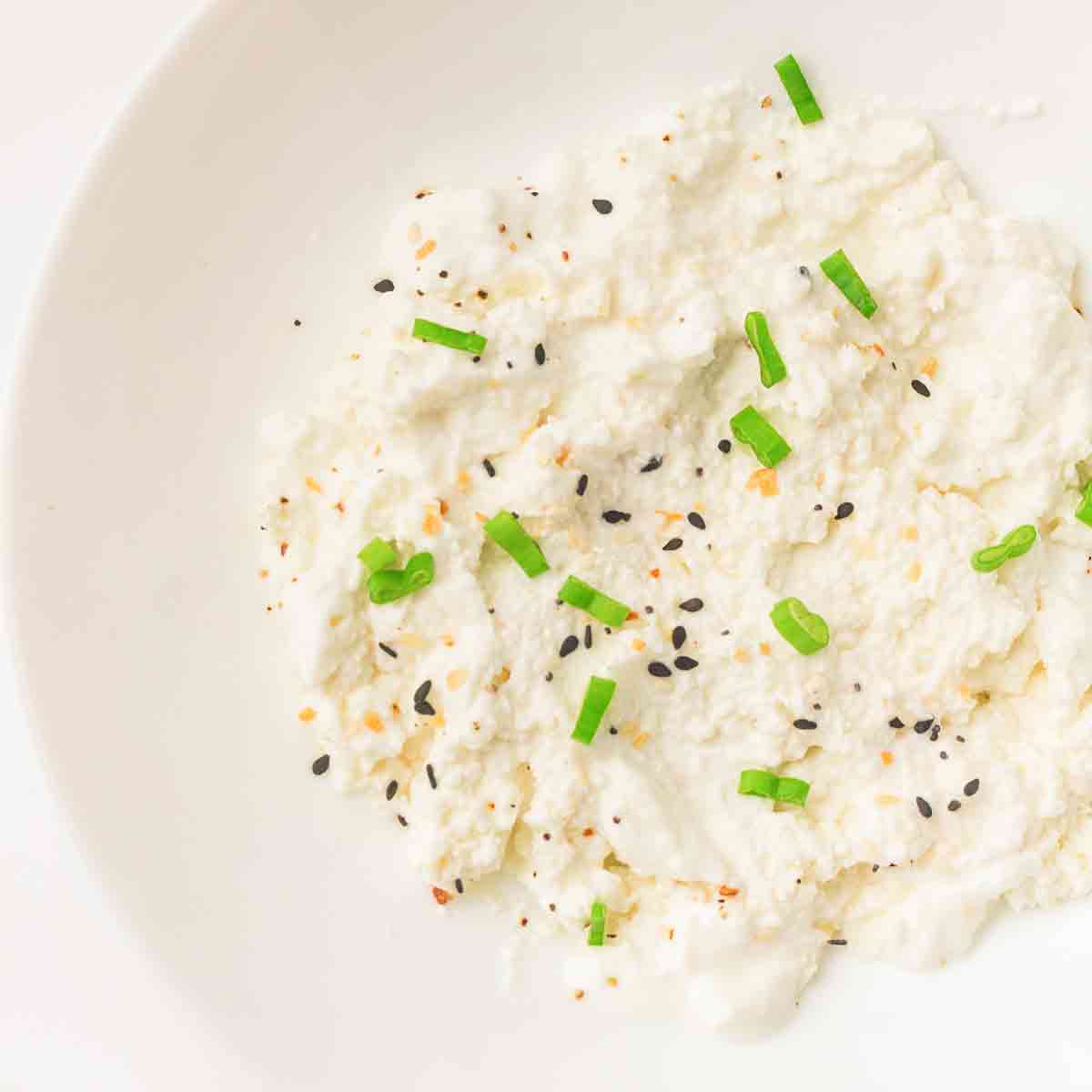
- Savory Cottage Cheese: Mix in fresh dill, chives, cracked black pepper, or everything bagel seasoning for a quick savory snack or toast topping.
- Family-Friendly Version: Spread onto warm bread, spoon onto baked potatoes, or serve with scrambled eggs for an easy protein-packed meal.
- Summer Version: Serve in a jar with sliced tomatoes, cucumbers, olive oil, flaky salt, and fresh herbs. This combo tastes incredibly fresh in hot weather.
- Meal Prep Version: Portion into small containers for grab-and-go breakfasts, quick lunches, or healthy snacks during busy weekdays.
More High-Protein Recipes


Before You Head Out
If you gave this recipe a try, I'd be so thankful if you could leave a ★★★★★ rating and review below. It helps other readers, supports my work, and means the world to me. Thank you for being part of The Yummy Bowl family. Happy cooking! ❤️
This is one of my go to high protein cottage cheese recipes.
Recipe Card
Homemade Cottage Cheese

Method
- Heat the milk: Pour the milk into a large heavy-bottomed pot and heat over medium heat until it reaches about 185°F, just before boiling. The milk should look steamy with small bubbles around the edges but should not fully boil.8 cups milk
- Add the acid: Remove the pot from the heat and gently stir in the lemon juice or vinegar. Within a minute or two, the milk should begin separating into curds and yellowish whey.3 tablespoons lemon juice
- Let it rest: Leave the mixture undisturbed for about 10 minutes so the curds can fully form.
- Strain the curds: Pour the mixture through a sieve lined with cheesecloth or a clean thin kitchen towel to separate the curds from the whey.
- Rinse gently: Rinse the curds lightly with cool water to remove excess acidity and keep the flavor mild and fresh.
- Season: Sprinkle in the salt and stir gently to combine. Avoid overmixing so the curds stay soft and fluffy.½ teaspoon salt
- Serve or chill: Serve immediately or refrigerate until cold (this is what I do). The texture gets even creamier after chilling for about an hour.
- Enjoyed this recipe? Leave a quick 5-star rating and review to let me know!
Nutrition
Notes
- Heat the milk slowly - I've found gentle heat makes the biggest difference in getting soft creamy curds instead of rubbery ones.
- Chill before serving - The texture gets much better after a few hours in the fridge. It tastes creamier and more like classic cottage cheese.
- Don't over-drain the curds - I like stopping while they still look slightly moist because homemade cottage cheese firms up more as it chills.
- Storage Tips - Keep in an airtight container in the refrigerator for up to 4 days. Stir before serving if a little whey separates.
- Do not freeze - The texture becomes watery and grainy once thawed.
Tried this recipe?
Let us know how it was!Note: Nutrition information is estimated and varies based on the products used.
Full Nutrition Disclaimer can be found here.
Pickled Vegetable Recipes


Join TYB
Insider
Get access to exclusive recipes,
weekly meal plans, printable
grocery lists, and AD-FREE
browsing designed to make
mealtime easier.




Rita W
Thank you for the concise instructions. I already had an idea of what to do, but needed measurements and the like. As you said, this came together quickly and easily, and now it's sitting in my refrigerator, chilling. Thank you!
Ps. I heated the milk in the InstantPot on the yogurt setting, and I stirred it a couple of times. It took about 20 minutes to come to temp.
Julia
So happy it worked out for you Rita! I love that you used the Instant Pot yogurt setting — that’s honestly such a smart hands-off way to heat the milk without worrying about scorching it on the stove. And yes, once you know the basic process, homemade cottage cheese is surprisingly quick and easy. Hope you enjoy it after it chills a bit more — the texture gets even better in the fridge! 😊