
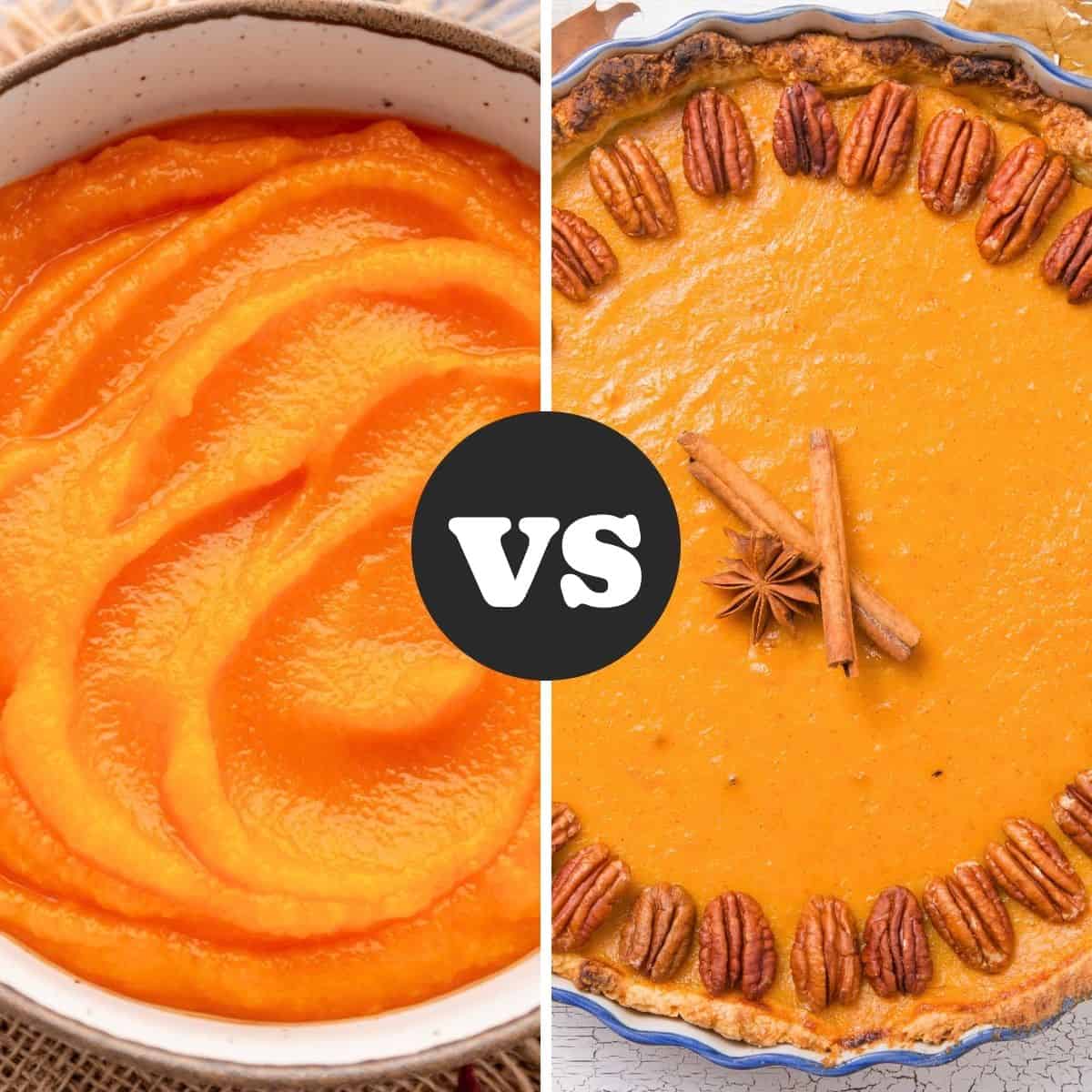
Pumpkin puree is just cooked, pureed pumpkin (or a mix of winter squashes) with nothing added. Pumpkin pie filling is that same puree plus sugar, spices, and sometimes thickeners, pre-seasoned so you only add eggs and milk. They are not interchangeable without adjusting the rest of the recipe.
Disclosure: This post contains affiliate links. If you purchase through one of my links, I may earn a small commission at no extra cost to you. Thank you for supporting my blog!
Want to Save This Recipe?
Enter your email and we’ll send the recipe directly to you!
By submitting this form, you consent to receive emails from The Yummy Bowl.
Quick answer
| Pumpkin puree | Pumpkin pie filling / mix | |
|---|---|---|
| Ingredients | Pumpkin only | Pumpkin + sugar + spices + salt |
| Sweetness | None | Heavily sweetened |
| Use in | Any recipe, savory or sweet | Pie and quick desserts only |
| Can label | "100% pure pumpkin" | "pumpkin pie mix" or "pie filling" |
Homemade, Canned, and Pie Filling: What Actually Differs
These are not two things, they are three. Homemade puree is the lightest in color and the loosest in texture, with a subtle, slightly grassy pumpkin flavor since nothing masks it. Canned puree from a brand like Libby's is noticeably darker and thicker, partly because most canned pumpkin is not even the pie pumpkin you would roast at home, it is a variety bred specifically for canning, deeper in color and less watery by design.
Pie filling starts from that same canned base, then adds sugar, spices, and sometimes a thickener, so it is sweeter, looser, and meant to go straight into a pie shell with just eggs and milk.
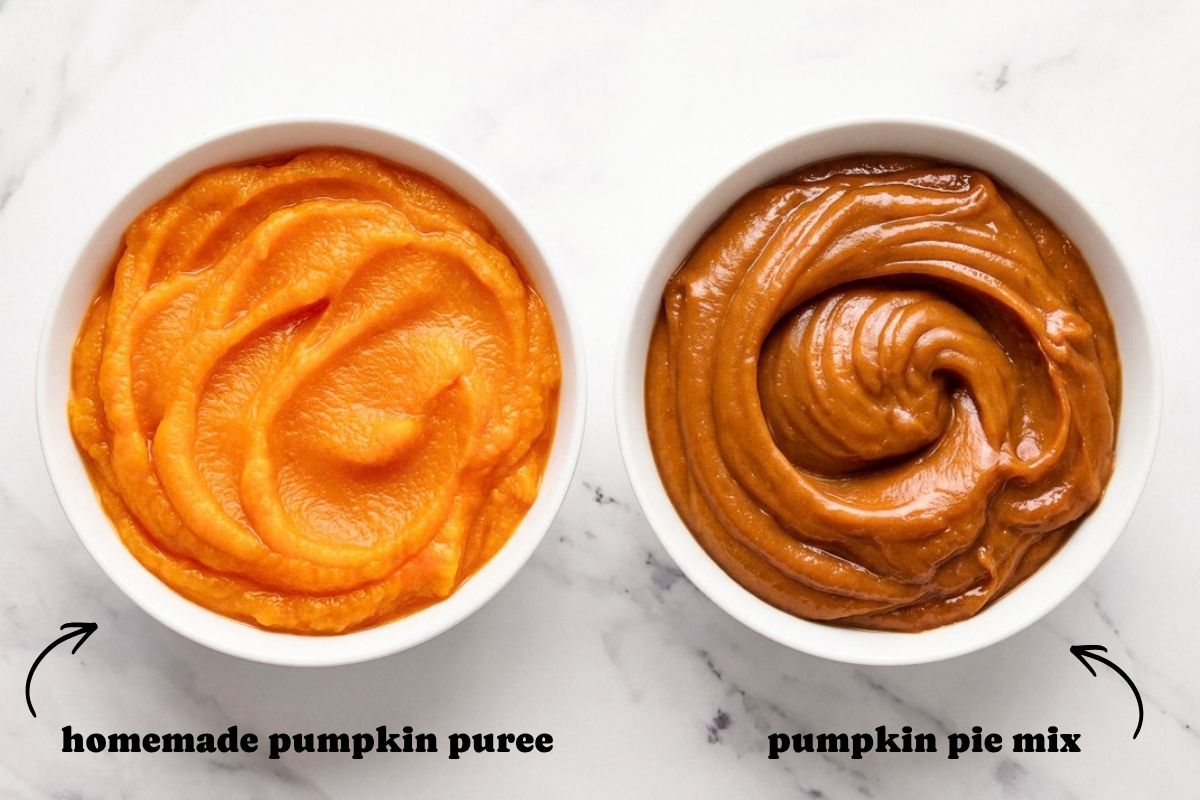
If a recipe was written and tested with canned puree, homemade puree can throw off the texture unless you strain it well first, since it holds noticeably more water. See the homemade method below for how to deal with that.
Why Recipes Call For Puree
Almost every recipe that just says "pumpkin" means puree, not pie filling. Using plain puree is what lets you, not the can, control how much sugar and spice ends up in the final dish. It is also the only version that works in savory recipes, soups, pasta sauce, or chili, where sweetened pie filling would ruin the flavor.
When Pie Filling Is Fine To Use
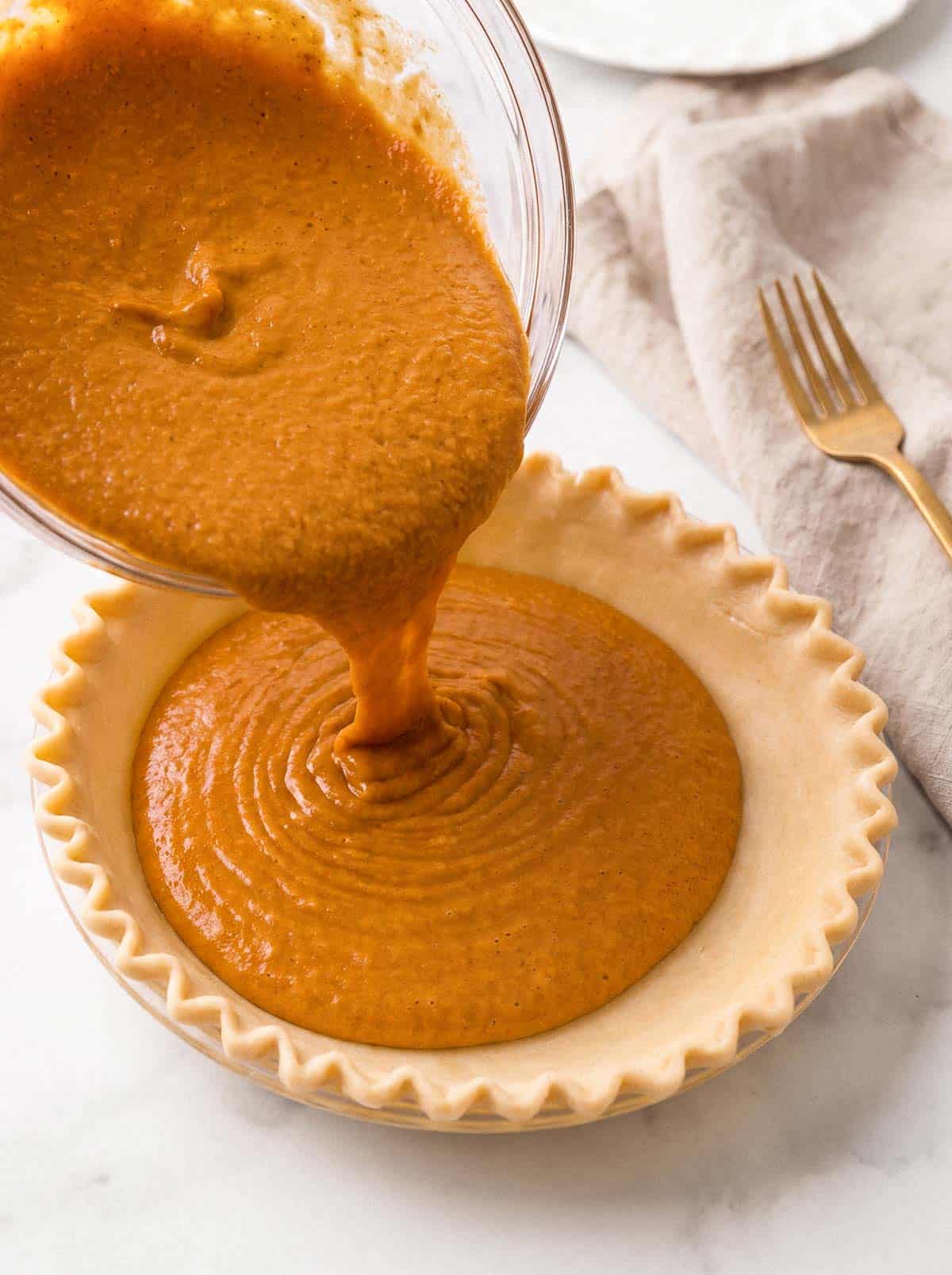
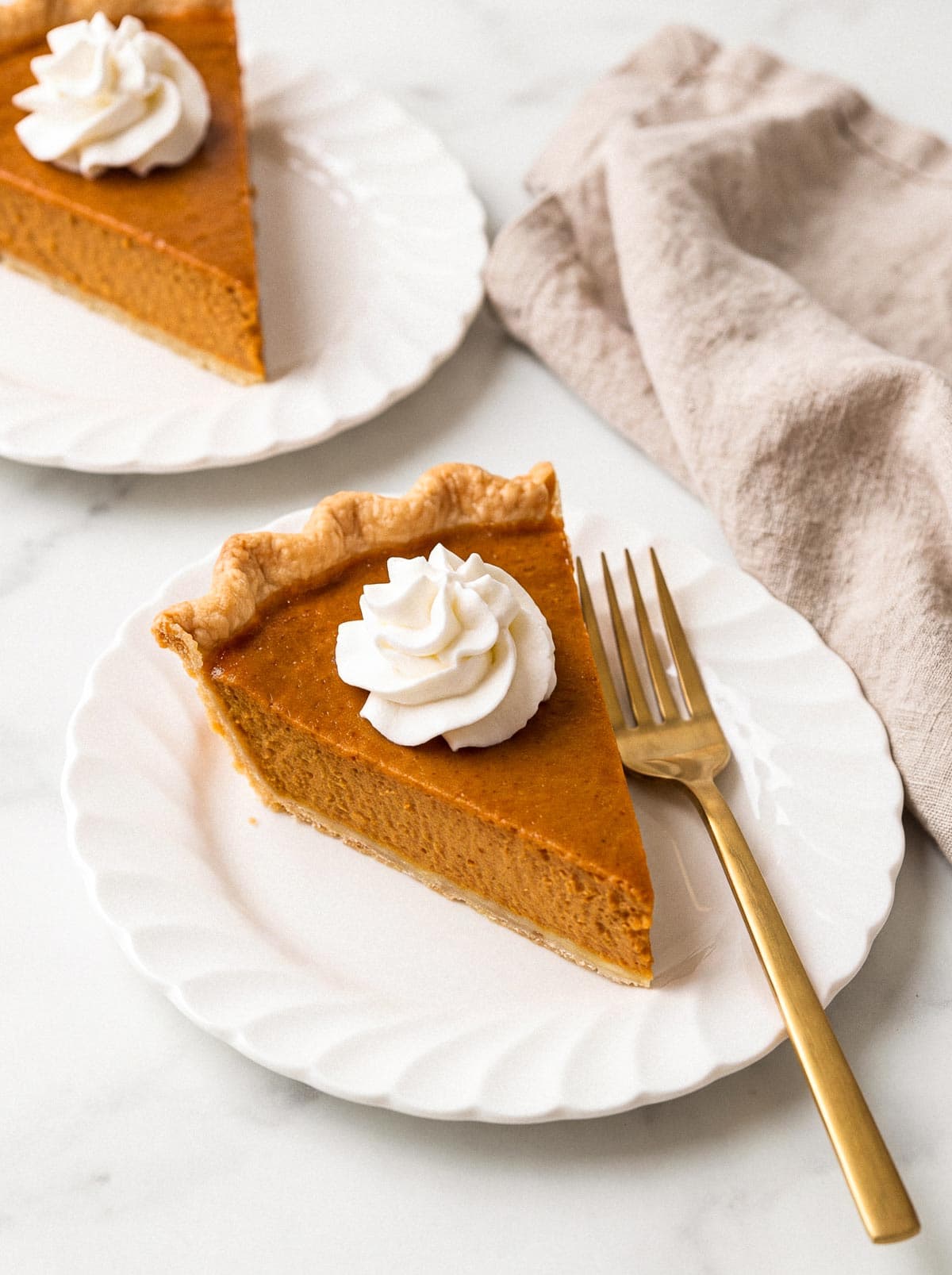
Pie filling earns its keep when the recipe is already built around it, a classic pumpkin pie, a quick pumpkin dip, or a mug cake where you want that pre-mixed sugar and spice. Read the recipe before you shop. If it calls for "pumpkin pie mix" by name, that is the one to buy, not puree.
If You Bought Pie Filling By Mistake
You can still use it, but the recipe needs adjusting or the result comes out too sweet. Cut the added sugar in the recipe by about ⅓ to ½ cup per 15 ounce can of pie filling you are using, and skip or reduce any extra cinnamon, ginger, or nutmeg the recipe calls for, since the can already has its own. The texture will set a little softer than it would with plain puree, since pie filling is looser.
If You Have Puree But Need Pie Filling
Whisk it together yourself. Per 15 ounce can of puree, stir in about ¾ cup sugar, 1 teaspoon cinnamon, ½ teaspoon ginger, ¼ teaspoon each of nutmeg and cloves, and a small pinch of salt. Taste and adjust the spice to your liking before using it in place of a can of pie filling.
How To Make Your Own Pumpkin Puree
Halve and roast a pie pumpkin (not a carving pumpkin, those are stringier and more watery) until the flesh is fork tender, then scoop it out and blend until smooth. Homemade puree holds more water than canned, so strain it through a fine sieve or a clean towel for 30 minutes to an hour before using it in place of a can, or your baked goods will turn out dense and wet.


My full how to make pumpkin puree walkthrough covers both the roasted and stovetop methods step by step.
Do not toss the seeds while you are in there. See my how to clean pumpkin seeds guide for the fastest way to separate them from the pulp before roasting.
Brands To Know: Libby's and Organic Options
Libby's is the standard most recipes are tested against, it is made from a variety called Dickinson, bred specifically for canning rather than eating whole, which is why canned puree looks and tastes a little different from what you would get roasting a pie pumpkin at home.
 Buy Now →
  Buy Now →
 Organic canned pumpkin is a fine swap in most recipes, but it tends to run wetter and sometimes stringier than Libby's, since it is usually made from a more traditional pumpkin variety.
For anything where texture really matters, a cheesecake, a custard, a delicate bake, I would drain it through a fine sieve for a few minutes first the way you would homemade puree. For everyday baking, muffins, bread, pancakes, it makes no real difference.
Q&A
Can I use pumpkin pie filling instead of puree?
Only if you cut the sugar and spice elsewhere in the recipe. Straight swaps come out too sweet.
Is Libby's canned pumpkin puree or pie filling?
Their solid-pack "100% Pure Pumpkin" is puree. They sell a separate "Pumpkin Pie Mix".
Is canned pumpkin actually pumpkin?
It is usually a blend of pumpkin and other tan-skinned winter squash, which is allowed under the label.
Does canned pumpkin need to be cooked?
It is already cooked. It just needs heating through in the recipe.
Pumpkin Puree Substitutes
Out of pumpkin entirely? A couple of things fill in surprisingly well.
- Sweet potatoes. Bake them whole in the oven until soft all the way through, then scoop out the flesh and blend it with a splash of heavy cream until smooth. This makes a great pumpkin puree substitute, especially in muffins, bread, and pies.
- Frozen squash. This is the easiest swap, since it is already peeled and cut. Cook it down until soft, then mash or blend it and use it in place of pumpkin exactly as you would puree.
For a longer list of options, see my full butternut squash substitutes guide, most of it applies to pumpkin too.
Nutrition: Canned Puree vs. Pie Filling
The difference shows up fastest in sugar and sodium. These are typical values for standard canned brands, per ½ cup, exact numbers vary a little by brand.
| Pumpkin puree | Pumpkin pie filling | |
|---|---|---|
| Calories | ~40 | ~140 |
| Total fat | 0g | 0g |
| Sodium | ~5mg | ~280mg |
| Total carbs | ~10g | ~36g |
| Fiber | ~3.5g | ~3g |
| Sugar | ~4g | ~27g |
| Protein | ~1.5g | ~1g |
Before You Go
Once you have the right can, put it to use in my cozy pumpkin desserts if you grabbed puree, or in my savory pumpkin dinners if puree is what the recipe actually needed. Out of pumpkin entirely? Here is what to use instead: butternut squash substitutes.
More Cooking Tips


Join TYB
Insider
Get access to exclusive recipes,
weekly meal plans, printable
grocery lists, and AD-FREE
browsing designed to make
mealtime easier.