


Great-tasting dinners don't come from complicated techniques or expensive ingredients. More often, they come from one smart addition used at the right moment. That's the quiet difference between a meal that gets eaten… and one that disappears fast.
Over the years, I've learned that the most reliable way to improve everyday cooking isn't more salt, more butter, or longer cooking times. It's knowing which ingredients quietly build flavor in the background.


Disclosure: This post contains affiliate links. If you purchase through one of my links, I may earn a small commission at no extra cost to you. Thank you for supporting my blog!
Looking for more gift ideas? Check out my 11 Air Fryer Accessories I Actually Use and 25 Serious Baker Tools Worth Gifting.
Want to Save This Recipe?
Enter your email and we’ll send the recipe directly to you!
By submitting this form, you consent to receive emails from The Yummy Bowl.
Secret Flavor Boosters I Use Every Week in My Home Kitchen
These are the 15 specialty ingredients I keep stocked in my own grandma-style kitchen. I use them again and again to make soups feel fuller, sauces taste deeper, and simple family meals feel like they simmered much longer than they actually did.
1. Worcestershire Sauce
Worcestershire sauce adds savory depth with just a few drops. I usually start with ½ teaspoon, stirring it into soups, stews, meaty sauces, or lentils midway through cooking.
It's especially helpful in dishes that taste a little flat but don't need more salt. You won't taste it directly; it just makes everything taste more complete.
 Buy Now →
 💡Good to know: it works surprisingly well in vegetarian dishes too.
2. Bay Leaf
Bay leaves are subtle, but they build background flavor in a way nothing else does. Add 1 bay leaf to soups, beans, rice, or slow-cooked sauces and let it simmer gently, then remove before serving.
You won't notice it while cooking, but you'll notice if it's missing.
 Buy Now →
 📝Extra tip: dried bay leaves work perfectly; no need for fresh.
3. Lemon Zest (Not Juice)
Lemon zest adds brightness without acidity. I use ½ to 1 teaspoon, stirred in right at the end of cooking for soups, pasta, vegetables, or grain dishes.
It lifts heavy flavors without making food taste sour and works especially well in creamy or olive-oil-based meals.
 Buy Now →
 👍Bonus idea: orange zest works beautifully in roasted vegetables too. Think Fall flavors!
4. Soy Sauce (Light Use)
A small splash of soy sauce adds umami and color without making dishes taste Asian-style when used carefully. Start with ½ teaspoon, add it early, and taste before adding more.
I use it in soups, mushroom dishes, gravies, and even beef or veggie stews when something feels "missing."
 Buy Now →
 🤓Tip: this often replaces the need for extra salt entirely. I like to use light soy sauce for less sodium!
5. Dijon Mustard
Dijon sharpens flavor without making dishes taste like mustard. I use about 1 teaspoon in salad dressings, marinades, mac and cheese, or pan sauces.
Add it after deglazing a pan or near the end of cooking so it blends smoothly.
 Buy Now →
 ✍️Extra tip: Dijon is especially good in cream-based sauces.
6. Tomato Paste (Cooked Until Dark)
Tomato paste transforms when it's cooked properly. Use 1-2 tablespoons, sauté it with oil and onions for 2-3 minutes until it darkens and caramelizes slightly before adding liquids.
 Buy Now →
 This simple step makes soups, stews, and sauces taste richer, deeper, and slightly sweeter; one of the easiest flavor upgrades you can make.
7. Anchovy Paste
Anchovy paste brings deep savory flavor without making food taste fishy; as long as you use a small amount. I usually add ½ to 1 teaspoon to tomato sauces, stews, bean dishes, or lentils.
The key is adding it early, along with onions and garlic, so it melts into the base and disappears completely. Many professional cooks rely on this exact trick for richness without heaviness.
 Buy Now →
 🐟Other swaps to try: anchovy fillets mashed into oil, or a tiny splash of fish sauce if you don't have paste.
8. White Miso Paste
White miso is mild, slightly sweet, and incredibly versatile. It adds gentle umami without overpowering a dish. I use 1-2 teaspoons in soups, salad dressings, mashed potatoes, and even creamy pasta sauces.
Always stir it in at the very end, off heat, to keep the flavor smooth and balanced.
 Buy Now →
 👩🍳Other options: mellow chickpea miso or light barley miso work similarly.
9. Smoked Paprika
Smoked paprika adds warmth and a subtle smoky depth that regular paprika simply doesn't have. I reach for ½ teaspoon when roasting vegetables, making chili, seasoning eggs, or building dry rubs.
Add it with other spices, but not too early; it can turn bitter if it burns.
 Buy Now →
 ❤️Extra idea: smoked paprika pairs especially well with beans, potatoes, and cabbage dishes.
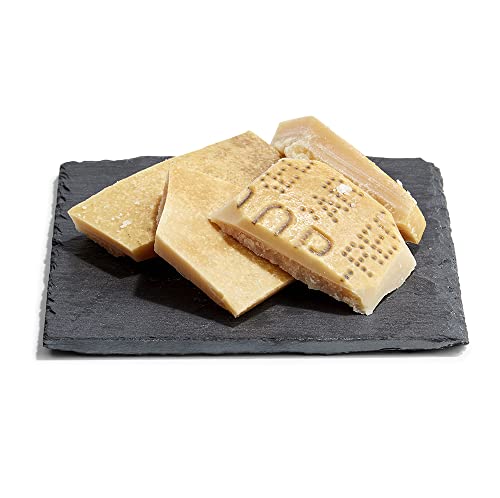
10. Parmigiano Reggiano Rind
Leftover Parmesan rinds are flavor gold. Drop one small rind into simmering soup, beans, or pasta sauce and let it cook for 20-40 minutes, then remove before serving.
It adds richness and depth without extra fat or cream. This works beautifully in comfort foods like minestrone, lentil soup, or tomato-based sauces.
 Buy Now →
 🧀Bonus tip: keep rinds in the freezer so you always have one ready.
11. Fish Sauce
Used sparingly, fish sauce boosts savory flavor without tasting like fish. Start with ½ teaspoon, add it midway through cooking, and taste before adding more.
It works especially well in soups, braises, sauces, and even meatless dishes that need depth.
 Buy Now →
 🐠Good to know: fish sauce often replaces the need for extra salt altogether.
12. Good Olive Oil (Finishing Oil)
A drizzle of high-quality olive oil right before serving adds aroma and pulls flavors together. I usually add 1-2 teaspoons to vegetables, soups, beans, or pasta just before bringing the dish to the table.
This isn't cooking oil; it's a finishing touch that makes food taste rounder and more complete.
 Buy Now →
 🍋Extra idea: lemon-infused or peppery olive oils are great for vegetables.
13. Sherry Vinegar
Sherry vinegar adds gentle brightness without overpowering food. I stir in about 1 teaspoon at the very end of cooking for soups, beans, sautéed greens, or sauces that taste a little flat.
It's especially helpful for slow-cooked dishes that need balance.
 Buy Now →
 🍷Alternatives: red wine vinegar or champagne vinegar, used lightly.
14. Fresh Nutmeg
Freshly grated nutmeg adds warmth and depth, especially to creamy dishes. Use just a tiny pinch, grated fresh, and add it near the end of cooking.
It works beautifully in mashed potatoes, béchamel, creamy soups, and baked dishes. A little goes a very long way, and it gives food a cozy, familiar flavor.
 Buy Now →
 15. Dried Porcini Mushroom Powder
Dried porcini mushroom powder adds deep, earthy umami without changing the overall flavor of a dish. I use ¼ to ½ teaspoon, stirred into soups, stews, gravies, risotto, or mushroom-based sauces.
It dissolves as it cooks and makes food taste richer and more savory; especially in vegetarian dishes that need depth.
 Buy Now →
 🍄🟫Easy shortcut: grind dried porcini mushrooms in a coffee grinder or buy them pre-ground. A small jar lasts forever.
FAQ: Using Flavor Boosters at Home
Used in moderation, many of these help reduce the need for extra salt, sugar, or heavy sauces, making everyday meals more balanced overall.
Absolutely. Ingredients like miso, anchovy paste, or tomato paste should go in early, while acids like vinegar are best added at the end.
Yes. These are commonly used in everyday home cooking. When added correctly, kids usually don't notice them - they just notice the food tastes better.
No. When used in small amounts, they add depth and balance, not overpowering flavor. Start small and taste as you go.
More Cooking Tips
- Tips To Cook The Best Ground Chicken
- Salmon Cooking Temperature Guide
- Tips to Freeze Casseroles Without Ruining the Texture
- How To Store Asparagus
Before You Go
If you found this post helpful, I'd love to hear from you! Leave a comment below and let me know your thoughts, questions, or experiences. Your feedback helps me create content that truly serves this wonderful community. ❤️
Join TYB
Insider
Get access to exclusive recipes,
weekly meal plans, printable
grocery lists, and AD-FREE
browsing designed to make
mealtime easier.




Comments
No Comments